
Plants
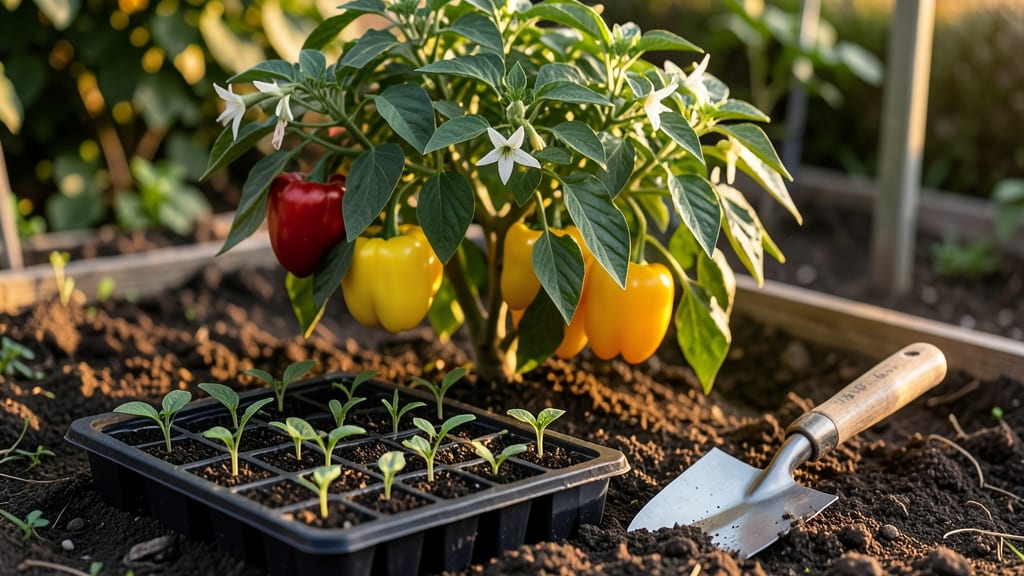
To plant peppers in Zone 7, aim for after last frost—typically mid-April to early May—when soil temperatures hit at least 60°F.
Peppers thrive in warm soil but struggle with late frosts—planting them at the wrong time in Zone 7 can mean stunted growth or total crop failure. Timing your transplant just right ensures a bumper harvest of juicy bell peppers, fiery jalapeños, or everything in between.
If you rush it, seedlings may wilt from cold soil, and if you wait too long, the season shrinks. The key is balancing soil warmth with frost risk, especially since Zone 7’s last frost often lingers into April.
Below, I’ll break down the exact planting windows, how to prep soil for faster germination, and 3 common mistakes that kill pepper yields before they start.
Peppers planting timeline in Zone 7: exact dates for peak growth
Timing is everything when growing peppers in Zone 7. These heat-loving plants need warm soil—at least 60-65°F—to thrive, but a late frost can wipe out young seedlings in minutes.
In my experience, planting too early leads to leggy, weak plants, while waiting too long cuts your harvest short. Let's pinpoint the perfect windows for both transplanting seedlings and direct sowing to maximize your yield.
Zone 7's average last frost date falls around April 15, but this can vary by 5-10 days depending on microclimates. For example, areas near large bodies of water may stay cooler longer, while urban heat islands warm up faster.
I always check my local Almanac frost dates and adjust accordingly. The key is planting when the soil stays consistently warm—not just the air temperature—which usually happens 2-3 weeks after the last frost.
Here's your Zone 7 pepper planting timeline broken down by method, with exact dates and soil temperature thresholds to ensure success:
For transplanting seedlings, I recommend starting them indoors 8-10 weeks before your last frost date. This gives you a head start and stronger plants ready to hit the garden when conditions are ideal.
Use grow lights or a sunny windowsill—peppers need 14-16 hours of light daily to prevent leggy growth. When hardening off (acclimating to outdoor conditions), I gradually increase exposure over 7-10 days to avoid shock.
If you prefer direct sowing, wait until the soil temperature consistently stays above 65°F. I test this by placing a soil thermometer 2 inches deep for 3-5 days. Direct-sown peppers take longer to germinate—10-21 days—so don't rush it.
For faster results, use black plastic mulch or a seedling heat mat to warm the soil by 5-10°F.
One common mistake I see is planting peppers too early and trying to protect them with row covers. While this can work, it's better to wait for the right conditions. Cold soil slows growth, and peppers planted in 50°F soil may never recover.
I've lost entire crops this way—don't make the same mistake! Instead, use the 10-day rule: If nighttime temperatures drop below 50°F for more than 10 consecutive nights, delay planting.
For fall harvests, you can try a late planting in mid-July using fast-maturing varieties like 'Early Jalapeño' (60 days) or 'Sweet Banana' (65 days). Protect these plants with floating row covers until the first frost, which typically arrives around November 1 in Zone 7.
I've successfully extended my harvest by 4-6 weeks using this method, even with habanero peppers that need extra heat.
Remember, peppers are sensitive to temperature swings. If daytime highs exceed 90°F for prolonged periods, your plants may drop flowers or fruit. To combat this, I use shade cloth (30-50%) during peak afternoon heat while still providing 6+ hours of morning sun.
Proper spacing is also critical—18-24 inches apart for bush varieties and 24-36 inches for taller types—to ensure good airflow and reduce disease risk.
By following this Zone 7 pepper planting timeline, you'll avoid the most common pitfalls and enjoy a bountiful harvest from July through October. The secret? Patience and precision—wait for the soil to warm, protect your plants from frost, and give them the sunlight they crave.
Your taste buds (and dinner plate) will thank you! 🌶️
How to extend pepper growing season in Zone 7 without risking frost
Zone 7 gardeners know the struggle: peppers love warmth but hate chills. Even after your last frost date, unexpected late spring frosts or early fall dips can wreck your harvest. The key is protecting your plants while keeping them happy and productive.
I’ve tested cold frames, row covers, and succession planting—here’s what actually works for both bell peppers and habaneros.
High-heat varieties like habaneros need consistent warmth to thrive, while bell peppers tolerate slightly cooler temps better. That means your extension strategy should match the pepper type.
For example, habaneros planted in early May might need row covers until mid-June, while bell peppers can handle a light frost better if they’re established.
Extending Pepper Season: Pros & Cons
Cold Frames
- Pros: Extends season by 4-6 weeks both sides, protects from light frost.
- Cons: Requires daily monitoring for ventilation.
Best for: Bell peppers, jalapeños.
Row Covers
- Pros: Affordable, easy to install, allows pollination.
- Cons: Needs stakes or hoops; may reduce airflow.
Best for: Habaneros, early transplants.
Succession Planting
- Pros: Staggered harvests, minimizes risk of total crop loss.
- Cons: Requires extra space and seedlings.
Best for: All varieties, fall extensions.
Start with succession planting for a continuous harvest. Plant your first batch of bell peppers in early May, then follow with habaneros or jalapeños every 2-3 weeks until early July. This way, even if an early frost hits, you’ll still have mature peppers ready to pick.
For late-season protection, use row covers over peppers planted in August. These lightweight fabrics let sunlight and water through while blocking chilly winds. I’ve seen bell peppers thrive under covers until mid-October in Zone 7—just remove them during the day if temps rise above 80°F to prevent overheating.
If you’re growing habaneros, which are heat-loving, consider a mini greenhouse or cold frame for your earliest plants. These structures trap heat and can keep soil temps 10-15°F warmer than outside. Just remember to ventilate daily to avoid fungal diseases like powdery mildew.
Pro tip: Pair black plastic mulch with your extension methods. It warms the soil faster and suppresses weeds, giving your peppers a head start in cooler weather. Plus, it’s a game-changer for slow-starting habaneros in Zone 7’s shorter season.