
Planting
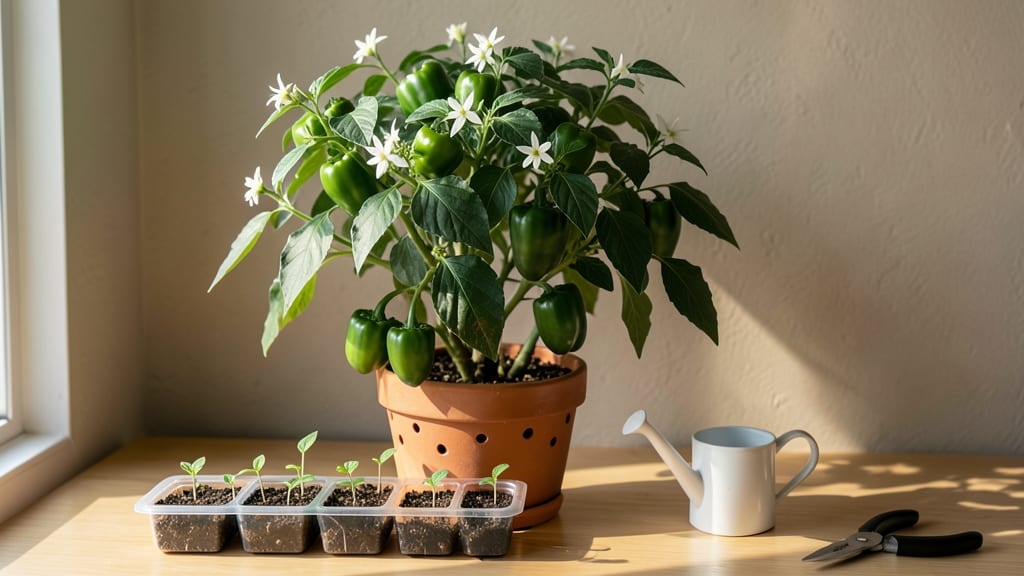
Starting pepper seeds indoors in Zone 7 around early February gives them the 8-10 weeks of warmth they crave before your last frost.
Picture this: you’ve got your seedling trays set up, the soil is just warm enough, and you’re watching those little 🌶️ sprouts push through the dirt—but then a late frost sneaks in and wipes out your progress. That’s why timing matters so much in Zone 7’s unpredictable climate.
Peppers are finicky about temperature, and starting too early means leggy, weak seedlings, while waiting too long cuts your harvest short. The key is balancing your seed-starting date with your garden’s last frost (usually mid-March to mid-April in Zone 7) and the heat-loving nature of these plants.
In this guide, I’ll walk you through the exact dates to start your seeds, how to adjust for early or late varieties, and the simple tricks to keep your seedlings strong until transplant time—so you can enjoy a bumper crop of peppers all summer long.
Zone 7 pepper seed starting dates: exact timeline for indoor success
Getting your pepper seeds off to the right start indoors is crucial in Zone 7, where last frost dates can swing wildly between March 15 and April 15. Peppers are heat-lovers, so timing your starts ensures they’re strong enough to handle outdoor conditions by late spring.
The 8-10 week rule before your last frost is your best guide—but Zone 7’s variability means flexibility is key.
Most pepper varieties need 60-85 days to mature, so starting too early can lead to leggy, weak seedlings, while starting too late risks stunted growth.
For bell peppers and jalapeños, aim for a late February to early March start, while hot peppers like habaneros can tolerate slightly later starts due to their faster growth.
Here’s the breakdown of your indoor pepper seed starting timeline for Zone 7, including adjustments for early vs. late varieties and frost risk:
| Variety Type | Days to Maturity | Start Indoors By | Transplant Outdoors | Notes |
|---|---|---|---|---|
| Bell Peppers | 85-90 days | February 15 - March 1 | April 15 - May 1 | Slow to mature; needs early start |
| Jalapeños | 75-80 days | March 1 - March 15 | April 15 - April 30 | Moderate heat tolerance |
| Hot Peppers (Habanero, Cayenne) | 60-75 days | March 15 - April 1 | May 1 - May 15 | Fast growers; can handle later starts |
| All Varieties (Late Start Backup) | N/A | April 1 (Risky for slow growers) | May 15 (Use row covers) | Only for heat-tolerant varieties |
If your last frost date falls closer to April 15, you can safely push your starts to March 15 for most varieties. However, if you’re in a high-altitude area of Zone 7 (like the Appalachians), consider starting 2 weeks earlier to account for cooler soils.
Use a heat mat to maintain 75-85°F soil temps for faster germination.
For slow-starting seeds, like bell peppers, begin with a grow light or south-facing window to prevent leggy seedlings. Once seedlings have 2-3 true leaves, they’re ready for 12-14 hours of light daily.
Harden them off for 7-10 days before transplanting after the last frost—peppers hate cold soil!
Pro tip: Keep a seedling heat mat handy to speed up germination, especially in Zone 7’s cooler early springs. Peppers need warmth to thrive, and a 5-10°F boost can cut germination time from 2-3 weeks to just 7-10 days.
Pair this with a humidity dome to retain moisture until sprouts emerge.
Monitor your local frost forecast in late April—Zone 7 can still see surprise frosts. If late starts are unavoidable, opt for fast-maturing varieties like ‘Early California Wonder’ bell peppers (60 days) or ‘Santaka’ jalapeños (65 days).
These can handle late April starts and still produce before fall.
Remember, pepper plants are sensitive to transplant shock, so avoid moving them outdoors until soil temps hit 60°F+. Use black plastic mulch to warm the soil faster and protect young plants from temperature swings. With the right timing, you’ll have plump, productive peppers by summer!
🌱
How to adjust pepper seed starting dates for Zone 7’s microclimates
Zone 7’s climate isn’t one-size-fits-all—urban heat pockets, rural chill, and high-altitude areas all demand different pepper seed starting strategies. Understanding these microclimate variations helps you fine-tune your schedule for bell peppers, jalapeños, and other varieties. Let’s break down how to adjust your timing based on where you garden.
First, recognize that soil temperature is your best friend for germination. Peppers need 60°F+ soil to sprout reliably, but your indoor starting date should account for outdoor conditions.
Urban areas often warm up faster than rural zones, while high-altitude spots may stay cooler longer—adjusting your seed-starting window by 1-2 weeks in either direction can make all the difference.
Here’s how to tailor your schedule for Zone 7’s most common microclimates:
For jalapeños and other heat-loving peppers, consider a staggered approach: start half your seeds 2 weeks apart to extend your harvest window. This works especially well in urban areas where soil warms quickly but may cool again at night.
Use black plastic mulch outdoors to retain heat and accelerate soil warming by 2-3°F.
Pro tip: If you’re in a high-altitude microclimate, prioritize early-maturing varieties like ‘Early Jalapeño’ (60 days) or ‘Sweet Banana’ (65 days). These give you a buffer if the growing season shortens unexpectedly.
Always harden off seedlings for 10-14 days before transplanting—this extra step is critical in Zone 7’s variable spring weather.
By adjusting your pepper seed starting dates based on these microclimate factors, you’ll give your plants the best possible head start. Watch for soil temperature trends in your area and trust your thermometer—it’s the most reliable guide for timing your Zone 7 pepper garden. 🌱