
Vegetables
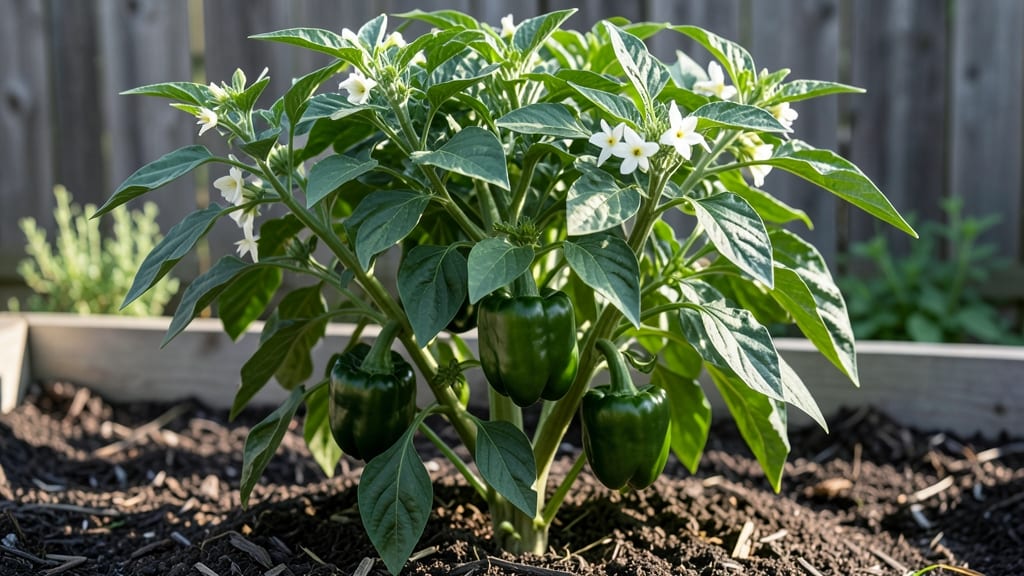
Growing wrinkled green peppers transforms your compact garden into a spice factory without sacrificing space. 🌱 These unique peppers thrive when trained vertically, producing bold flavor in just 2-3 square feet of growing area—ideal for balconies, patios, or small yards.
The key lies in mimicking their natural tropical habitat: warm soil, consistent moisture, and full-sun exposure that prevents wrinkling while maximizing yield.
These peppers aren’t just space-savers—they’re flavor powerhouses. Their distinctive wrinkled skin develops when grown in 70-85°F soil temperatures, a clue that proper heat management is everything.
I’ve found that mulching with straw keeps roots cool in summer while retaining moisture, and a balanced 5-10-10 fertilizer every 4-6 weeks prevents nutrient stress that causes premature wrinkling. The result? Peppers that stay firm, glossy, and packed with heat.
Harvest begins 60-75 days after transplanting, but timing matters—pick when peppers are fully colored but still slightly firm to the touch. Overripe peppers wrinkle naturally, but you’ll avoid this if you harvest every 2-3 days during peak production.
Store them in a cool, dry place (not the fridge) to preserve their texture and spice intensity for weeks.
For urban gardeners or those with limited space, this variety proves you don’t need a traditional garden to grow bold flavors. The same techniques work for other compact peppers like ‘Shishito’ or ‘Banana,’ but wrinkled greens demand a little extra care—and the payoff is worth it.
Ready to turn your small space into a pepper powerhouse?
The Science Behind Shriveled Peppers
Understanding why your green peppers develop wrinkles starts with recognizing the key factors at play. These aren’t just cosmetic quirks—they’re signs of stress, environmental shifts, or improper care. Let’s break down the real culprits behind wrinkled peppers and how to prevent them.
Peppers are sensitive to hydration, and wrinkling often signals a moisture imbalance. Here’s how it happens:
- Underwatering: When soil dries out, peppers lose turgor (the firmness from water-filled cells). Wrinkles form as the skin shrinks inward, trying to conserve moisture. Think of it like a deflating balloon—no water = no structure. - Actionable fix: Water deeply 1–2 times per week (adjust for climate).
Use your finger to check soil moisture—top 1–2 inches should feel damp, not bone-dry. - Pro tip 💡: Drip irrigation or soaker hoses deliver water directly to roots, reducing evaporation and stress.
- Overwatering: While less common, soggy soil cuts off oxygen, forcing peppers to "wrinkle" as a survival tactic. Root rot weakens the plant, leading to poor nutrient absorption and shrunken fruit. - Actionable fix: Ensure pots or garden beds have drainage holes.
Wait until the top inch of soil is dry before watering again.
Peppers thrive in warmth (70–85°F). Extreme heat or cold disrupts cell metabolism, causing wrinkling:
- Heat Stress: Temperatures above 90°F can scorch peppers, making them leathery and wrinkled. High heat also speeds up transpiration (water loss through leaves), dehydrating the fruit. - Actionable fix: Provide afternoon shade (use shade cloth or plant near taller crops).
Mulch with straw to keep roots cool. - Pro tip 🌡️: If growing in hot climates, opt for heat-tolerant varieties like ‘Carolina Wonder’ or ‘Jupiter’.
- Cold Damage: Below 50°F, pepper metabolism slows, and cells can’t maintain turgor. Frost or chilly nights cause physiological wrinkling (even without visible damage). - Actionable fix: Use row covers or move potted peppers indoors at night if frost is forecasted.
Avoid planting until soil is at least 60°F.
Wrinkled peppers can signal a lack of key nutrients, particularly those critical for cell growth and structure:
| Nutrient | Role in Peppers | Signs of Deficiency | Solution |
|---|---|---|---|
| Calcium | Strengthens cell walls (prevents soft, wrinkled fruit) | Blossom-end rot (black, wrinkled bottoms) or general shriveled texture | Apply calcium-rich amendments like crushed eggshells or gypsum. |
| Potassium | Regulates water balance and enzyme function | Weak stems, yellowing leaves, wrinkled fruit | Use potassium sulfate or banana peel tea. |
| Nitrogen | Supports leafy growth (indirectly affects fruit firmness) | Pale, yellow leaves; stunted growth | Add balanced fertilizer (e.g., 10-10-10) at planting and mid-season. |
- Pro tip ✨: Conduct a soil test to identify deficiencies before planting. Peppers need slightly acidic to neutral soil (pH 6.0–7.0) for optimal nutrient uptake.
Not all wrinkling is a problem—sometimes it’s genetic or natural: - Older Peppers: As peppers mature, their skin can thicken and develop slight wrinkles, especially in long, slender varieties like banana peppers.
This is normal! - Heirloom vs. Hybrid: Some heirloom varieties (e.g., ‘Shishito’) are prone to natural wrinkling as they ripen. Check seed packets for expected traits. - Actionable fix: Harvest peppers at peak firmness (when glossy and bright green) to avoid over-ripening wrinkles.
Hidden damage from pests or pathogens can cause peppers to wrinkle as they compensate for stress: - Aphids/Spider Mites: These sap-suckers weaken plants, leading to stunted, wrinkled growth.
Look for yellowing leaves or sticky residue (honeydew). - Fix: Spray with neem oil or introduce ladybugs for natural control. - Bacterial Spot/Fungal Infections: Causes pitted, wrinkled surfaces and dark lesions. Overhead watering spreads spores. - Fix: Remove infected plants immediately. Use copper fungicide preventatively.
Even minor injuries can trigger wrinkling: - Harvesting Roughly: Dropping peppers or using dull shears can bruise the skin, causing localized wrinkling as the pepper "heals." - Overcrowding: Peppers competing for space may develop uneven growth or wrinkles from lack of sunlight. - Fix: Space plants 18–24 inches apart and handle fruit gently.
Use soft cloths when harvesting.
Key Takeaway: Wrinkled peppers are rarely a death sentence—most issues are preventable with consistent care. Focus on water balance, temperature stability, and nutrient-rich soil, and you’ll keep your peppers plump, vibrant, and ready for the kitchen!
Fixing Wrinkled Peppers Naturally
Wrinkled green peppers might seem like a flaw, but with the right care, you can restore their crisp texture and vibrant flavor—whether you’re growing them or using them in the kitchen.
Below are practical, science-backed solutions tailored to the most common causes, plus tips to prevent future wrinkles and keep your peppers looking (and tasting) fresh.
Signs: Soft, mushy skin, wrinkles, or peppers that feel heavy for their size.
How to Fix It:
- 🌱 Check the Soil First
- Stick your finger 1–2 inches deep into the soil. If it’s soggy, your peppers are drowning. Well-draining soil should feel like a damp sponge—not wet or compacted.
- Fix: If your container or garden bed lacks drainage, add perlite, coarse sand, or compost to improve airflow. For potted peppers, ensure pots have drainage holes and elevate them on saucers.
- 🚰 Adjust Your Watering Routine - Morning watering is key—it gives excess moisture time to evaporate before nightfall. - Water deeply but infrequently: Aim for 1–1.5 inches per week (adjust for climate).
Let the top 1–2 inches of soil dry out between waterings. - Pro Tip: Use a moisture meter or the "squeeze test"—if soil clumps when pressed, it’s still too wet.
- 🍃 Trim Damaged Leaves
- Yellow or brown leaves can’t regulate moisture. Snip them off to reduce evaporation and redirect energy to healthy growth.
- Tool: Sterilize pruners with rubbing alcohol to prevent disease spread.
- 🌿 Mulch Like a Pro
- Apply 2–3 inches of organic mulch (straw, shredded leaves, or wood chips) around the base to lock in moisture and keep roots cool.
Signs: Peppers develop leathery, wrinkled skin, especially in hot afternoons, or show sun-scorched patches.
How to Fix It:
- 🌞 Provide Partial Shade
- If your peppers are in full sun (6+ hours/day), they may need afternoon relief during heatwaves (above 90°F/32°C).
- Quick Fix: Use shade cloth (30–50%) or a lightweight row cover for 2–4 hours before sunset.
- 💦 Boost Hydration During Heat
- Water early in the morning and again at dusk to combat evaporation.
- Add a handful of ice cubes to the soil around the base for a cooling shock (works in pots or small gardens).
- 🌿 Increase Humidity (For Containers)
- Place pots on pebble trays filled with water or group them together to create a microclimate.
- Bonus: Mist leaves gently in the morning to prevent fungal issues.
- 🍅 Harvest Strategically
- Pick peppers when they’re firm but still green to avoid overripe wrinkling. Store them in a cool, dark place (like a pantry) to slow aging.
Signs: Wrinkled peppers in your fridge or pantry—soft, dull, or mealy.
How to Fix It:
- 🥬 Revive Soft Peppers
- Soak in ice water for 10–15 minutes to plump them up. Pat dry before using.
- For cooking: Toss wrinkled peppers in olive oil, salt, and a splash of lemon juice, then roast at 400°F (200°C) for 20–25 minutes. Heat caramelizes sugars, masking texture flaws.
- 🧊 Store Them Right
- Never wash before storing! Dampness speeds up spoilage.
- Best methods:
- Room temp: Keep in a paper bag in a cool, dark pantry for 3–5 days.
- Fridge: Store unwashed, in a breathable bag (like a paper towel-lined container) for 7–10 days.
- Freeze: Slice or dice, blanch for 2 minutes, then freeze in airtight bags for up to 6 months.
- 🍲 Cook Creatively
- Wrinkled peppers shine in soups, stews, or sauces where texture blends in. Try:
- 🔥 Smoky Roasted Pepper Dip (blend with garlic, tahini, and yogurt).
- 🍳 Stir-fries (their sweetness caramelizes quickly).
- 🥘 Pickled peppers (acid preserves them beautifully).
- Wrinkled peppers shine in soups, stews, or sauces where texture blends in. Try:
- 🌱 Choose the Right Variety: Compact or bush varieties (like ‘Snackable’ or ‘Lunchbox’) wrinkle less than sprawling types. - 🌱 Fertilize Smartly: Over-fertilizing leads to soft, watery peppers.
Use a balanced 10-10-10 or tomato fertilizer every 4–6 weeks. - 🌱 Prune for Airflow: Remove suckers (side shoots) to improve circulation and reduce disease risk. - 🌱 Monitor Pests: Aphids or spider mites suck juices, causing wrinkles. Spray with neem oil or soapy water if spotted.
Remember: Wrinkled peppers aren’t a dealbreaker—they’re just peppers that need a little TLC. Whether you’re growing them or cooking with them, these fixes will bring back their crispness, flavor, and versatility in no time! 🌿✨
Frequently asked questions
Are wrinkled green peppers safe to eat?
Yes! Wrinkled peppers are perfectly safe to eat—they’re just less visually appealing. The wrinkling usually happens when peppers lose moisture or are overripe, but they retain their flavor and nutrients. For best texture, use them in cooked dishes like soups or stir-fries where texture matters less.
Can I prevent wrinkling in my pepper plants?
Wrinkling often comes from inconsistent watering, extreme temperatures, or poor soil drainage. Keep soil evenly moist (not soggy), mulch to retain moisture, and protect plants from heat above 90°F or cold below 50°F. Harvest peppers when firm but fully colored to avoid overripening.
How do I revive wrinkled peppers after harvest?
For slightly wrinkled peppers, soak them in ice water for 10–15 minutes to plump them up. Store them in a paper bag in the pantry (not the fridge) to slow moisture loss. If they’re very soft, use them in recipes where texture doesn’t matter, like sauces or roasted dishes.
Are wrinkled peppers less flavorful?
Not necessarily! While texture may suffer, flavor often remains strong—especially in heirloom varieties. The wrinkling usually indicates overripeness, which can actually intensify sweetness. Try roasting them to caramelize natural sugars and enhance flavor.
What’s the best way to store wrinkled green peppers?
Store them in a cool, dark place (like a pantry) in a paper bag for up to 5 days. Avoid plastic bags that trap moisture. For longer storage, freeze them whole or sliced after a quick 2-minute blanch to preserve texture and flavor.