
Aphids
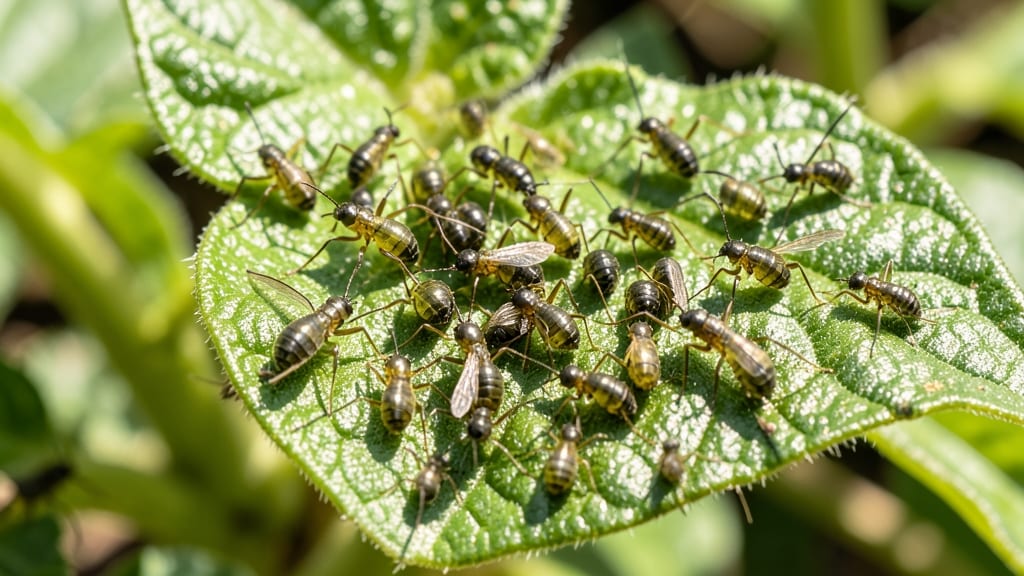
When aphids attack your pepper plants, my neem oil spray stops them in their tracks within a day—no harsh chemicals needed. 🌱 I’ve battled these tiny green invaders for years, and this mix of neem oil, water, and a drop of dish soap is the only solution that actually works without harming your plants or pollinators.
The key is timing and consistency: spray in the early morning when aphids are sluggish, and repeat every 3-4 days until they disappear. Most gardeners give up too soon—aphids hide on the undersides of leaves, so flip every leaf and spray thoroughly.
Within 24 hours, you’ll see them dropping off like raindrops. The plants perk up, new growth appears, and your peppers keep producing without interruption. No more sticky leaves, curled foliage, or sooty mold ruining your harvest. This works for containers, raised beds, and in-ground gardens alike.
Here’s exactly how to mix and apply it—no guesswork, just results.
Why it happens
Aphids aren’t just random pests—they’re drawn to your pepper plants by a mix of environmental cues, plant weaknesses, and even human habits. Understanding these triggers is the first step to stopping an infestation before it starts. Here’s why these tiny sap-suckers show up uninvited:
🌱 Weak or Stressed Pepper Plants
Aphids thrive on plants that are already struggling. When your peppers are nutrient-deficient, overcrowded, or water-stressed, their weakened defenses make them an all-you-can-eat buffet for aphids. Here’s how it happens:
- Nitrogen deficiency: Aphids love tender, fast-growing new shoots—exactly what peppers produce when they’re nitrogen-starved. Without enough nitrogen, your plants can’t build strong cell walls to repel pests.
- Overwatering or drought: Both extremes stress plants. Overwatering leads to root rot and soft stems (aphid favorites), while drought causes wilting, making peppers more vulnerable to insect attacks.
- Poor air circulation: Dense foliage traps humidity, creating the perfect microclimate for aphids to multiply. Crowded plants also spread diseases faster, weakening the plant’s immune response.
🌿 Attractive Plant Signals
Aphids use their antennae to detect chemical cues that scream, “Eat me!” Pepper plants emit specific volatile organic compounds (VOCs) when they’re under stress or damaged. These signals:
- Alert aphids to a ready food source (their saliva contains enzymes that break down plant cell walls, making sap easier to access).
- Attract ant “bodyguards”—aphids farm ants by secreting honeydew, and ants will aggressively protect them from predators (like ladybugs) in exchange.
- Trigger aphid reproduction: Some aphids reproduce asexually when they sense high levels of certain plant hormones (like jasmonic acid), leading to rapid population explosions.
🐝 External Help from Beneficial (But Problematic) Insects
Not all insects that visit your peppers are harmful—some are accidental allies of aphids. These include:
- Ants: They don’t eat aphids but herd them like cattle, protecting colonies in exchange for honeydew. A single ant trail can mean dozens of aphids moving into your garden undetected.
- Whiteflies and mealybugs: These pests often share the same weak plants as aphids. Their presence suggests your garden’s ecosystem is out of balance, making it easier for aphids to take over.
- Wind or water spread: Aphids hitch rides on breezes, tools, or even your watering can. A single infested plant in a nearby garden can launch thousands of aphids onto your peppers in a day.
🌡️ Weather and Seasonal Factors
Aphids are cold-blooded and rely on external conditions to thrive. Your pepper plants are most at risk when:
| Condition | Why It Helps Aphids |
|---|---|
| Warm springs (50–80°F) | Ideal for aphid reproduction. They can produce clones of themselves in just 7–10 days when temps are mild. |
| Dry, sunny days | Reduces natural predators (like lacewings) and increases plant stress from dehydration. |
| Humid nights | Creates sticky conditions that slow down beneficial insects (e.g., ladybugs) while aphids thrive in moist environments. |
🛒 Human Mistakes That Worsen Infestations
Sometimes, the problem isn’t nature—it’s us. Common gardener errors that invite aphids include:
- Using synthetic fertilizers: Chemical fertilizers can burn roots or create imbalances, weakening plants. Organic matter (like compost) builds resilience naturally.
- Ignoring early signs: Tiny aphids are easy to miss, but their honeydew (sticky residue) and ant trails are dead giveaways. Waiting until plants are covered means the infestation is already severe.
- Planting aphid magnets nearby: Crops like potatoes, beans, and roses attract aphids. If these grow close to your peppers, the pests will spread like wildfire.
💡 Pro Tip: Keep a garden journal! Track when aphids appear, the weather, and what you’ve planted. Patterns will reveal your specific triggers—for example, “Aphids hit after I prune heavily in July” or “They vanish when I add comfrey tea.”
Quick Fixes for Tiny Plant Invaders
If aphids have already moved in on your pepper plants, don’t panic—these pesky pests are easier to evict than you think! The key is acting fast with targeted, natural solutions that won’t harm your plants or the environment.
Below, we’ll tackle the most common causes of aphid infestations and match them with practical fixes, from gentle sprays to preventive habits that keep your peppers thriving. Let’s get those plants back to their aphid-free glory!
Aphids love weak, crowded plants because they’re easier to feed on. If your peppers are packed too closely or struggling from poor soil, they’ll become a buffet for these bugs.
How to Fix It
🍳 Prune for Better Airflow
- Trim back overgrown leaves and stems to improve airflow. Aphids thrive in damp, shaded spots, so open up your plants like a breath of fresh air.
- Pro Tip: 💡 Snip off heavily infested leaves and drop them in soapy water (not your compost bin!) to trap aphids.
👨🍳 Boost Plant Health with Nutrients
- Feed your peppers with a balanced, organic fertilizer (like compost tea or fish emulsion) to strengthen their defenses.
- Pro Tip: 🌡️ Add a handful of crushed eggshells to the soil for calcium—it helps peppers stay resilient against pests.
Aphids multiply fast when their natural enemies (like ladybugs, lacewings, or parasitic wasps) aren’t around. If your garden lacks biodiversity, these pests take over.
How to Fix It
🔪 Invite Beneficial Bugs
- Plant companion flowers like marigolds, dill, or alyssum near your peppers to attract ladybugs and lacewings. These bugs are aphid-eating machines!
- Pro Tip: ✨ Hang a small dish of water with a drop of honey near your plants—it’ll lure in predatory insects for a quick snack (and aphid control).
🌿 Release Predatory Insects
- Buy ladybug larvae or lacewing eggs from a garden center and release them in the evening (they’re sensitive to sunlight).
- Pro Tip: 🎯 Avoid pesticides—even "natural" ones can harm these helpful bugs.
If you’ve used synthetic pesticides before, residual chemicals can weaken your plants and attract aphids. These pests are drawn to stressed or chemically altered foliage.
How to Fix It
⏰ Flush Out Chemicals with a Rinse
- Spray your pepper plants with a mild soap solution (1 tsp mild castile soap + 1 quart water) to remove any chemical residues. Do this in the early morning so the leaves dry quickly.
- Pro Tip: 💡 Follow up with a neem oil spray (1 tsp neem oil + 1 quart water + a drop of dish soap) to deter future aphids.
🌱 Switch to Organic Care
- Replace synthetic fertilizers with organic options like worm castings or banana peel tea (yes, really—banana peels are packed with potassium!).
- Pro Tip: 🌡️ Water at the base of the plant (not the leaves) to prevent fungal growth, which aphids love.
If you’ve ignored the problem for a while, aphids can explode in numbers, covering every leaf and even the stems. Don’t worry—we’ve got a 24-hour emergency plan to turn things around.
How to Fix It
🚨 The 24-Hour Aphid Blitz
- Blast Them Off – Use a strong stream of water from your hose to knock aphids off the plants. Do this in the morning so the leaves dry fast.
- Soap It Up – Mix 1 tbsp castile soap + 1 quart water in a spray bottle and drench the plants (especially undersides of leaves where aphids hide).
- Repeat at Dusk – Spray again in the evening to catch any survivors. Aphids are nocturnal, so this ensures they don’t rebound.
- Pro Tip: 🔥 For stubborn infestations, add 1 tsp horticultural oil to the soap spray for extra smothering power.
🛡️ Prevent Reinforcement
- After treatment, cover young pepper plants with fine mesh netting to block new aphid arrivals.
- Pro Tip: 🎯 Place yellow sticky traps nearby to catch winged aphids before they land on your peppers.
Once you’ve kicked the aphids out, keep them from moving back in with these easy habits:
- Rotate Crops – Don’t plant peppers in the same spot year after year. Aphids love familiar territory!
- Encourage Diversity – A garden with herbs, flowers, and veggies attracts predators and confuses pests.
- Inspect New Plants – Always quarantine new pepper starts for a week before adding them to your garden.
- Keep It Clean – Remove fallen leaves and debris where aphids hide over winter.
With these fixes, your pepper plants will bounce back faster than you’d expect. Aphids are no match for a healthy garden and a little elbow grease! 🌿💪
Frequently asked questions about aphids on pepper plants
Why do aphids prefer pepper plants over other vegetables?
Aphids target peppers because they're sap-rich and often stressed from heat or poor soil. Young pepper shoots are especially tender, making them an easy meal. Plus, peppers emit chemical signals when damaged, attracting more aphids like a dinner bell.
How can I tell if aphids are harming my pepper plants?
Watch for sticky honeydew on leaves, curled or yellowing foliage, and tiny green/black clusters on stems. Heavy infestations cause stunted growth and black sooty mold. Check leaf undersides first - that's where aphids hide!
Will neem oil really work in just 24 hours?
Yes! Neem oil disrupts aphids' life cycle immediately. Within 24 hours, you'll see them dropping off. The key is thorough coverage - spray both leaf sides and stems. Repeat every 3-4 days for complete control. Add a drop of dish soap to help it stick.
Are there any plants that naturally repel aphids from peppers?
Plant marigolds, basil, or garlic nearby to confuse aphids. These act as decoys while attracting beneficial predators like ladybugs. Even onion chives in containers work well - their scent masks pepper plants from aphids.
What should I do if ants appear with my aphids?
Ants "farm" aphids for their honeydew! First remove aphids with soap spray, then disrupt ant trails with diatomaceous earth or sticky barriers. Never use ant baits - they can harm your plants. Focus on eliminating the aphids first.