
Neem Oil
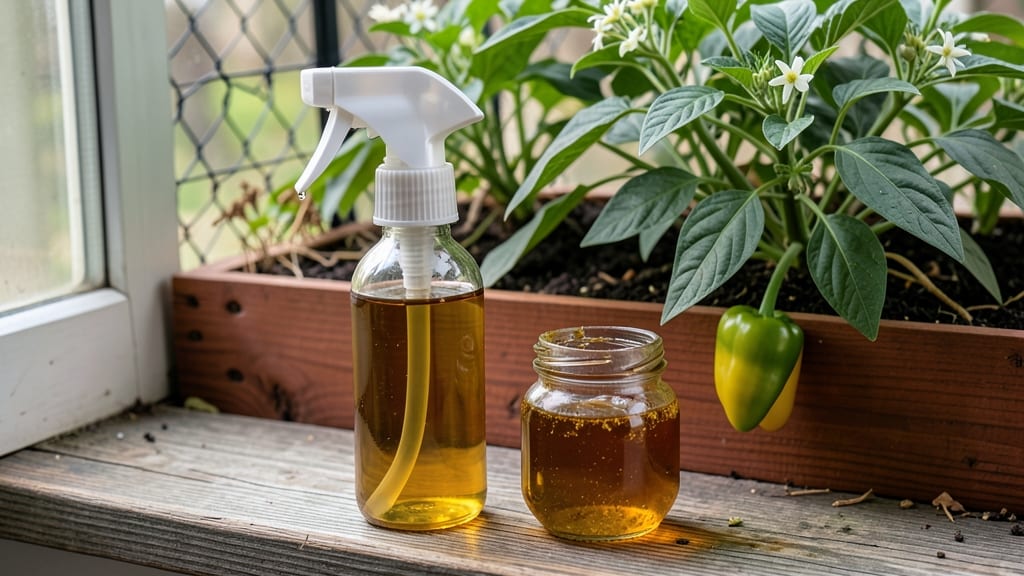
Neem oil and peppermint spray is the game-changer I needed after losing my basil crop to aphids last summer. 🌿 This foolproof mix combines the natural pest-deterring power of neem oil with peppermint’s strong scent—pests hate both.
Within hours, you’ll see them retreat, and your plants will start looking healthier. The best part? It’s cheaper than store-bought sprays and works on aphids, spider mites, and even fungal diseases. You only need 4 ingredients: neem oil, peppermint essential oil, dish soap, and water.
No fancy equipment—just a spray bottle and 10 minutes of your time. Once mixed, this spray repels pests on contact while also preventing future infestations. The peppermint keeps chewing insects away, and the neem oil disrupts their life cycles.
Just shake before each use, and you’re ready to protect your garden naturally. Works on vegetables, herbs, and flowers—even houseplants. Best applied in the early morning or evening to avoid harming beneficial insects. Let’s make this your go-to pest control solution!
📚 In This Guide
- What you need
- Instructions
- Tips and common mistakes
- Wrapping up and next steps
What you need
- ● 1 cup of water (distilled or boiled, cooled to room temperature)
- ● 1 tablespoon neem oil (100% pure, cold-pressed for best results)
- ● 1 teaspoon peppermint essential oil (organic, high-quality for potency)
- ● 1 teaspoon liquid dish soap (unscented, like Castile soap—helps emulsify oils)
- ● 1 clean spray bottle (8–16 oz, made of glass or BPA-free plastic)
- ● 1 wooden or silicone spoon (for stirring—avoid metal to prevent oxidation)
- ○ Optional: 5–10 drops lavender or citrus oil (for extra pest-repelling power!)
- ● Wear gloves if you have sensitive skin (neem oil can be drying).
- ● Work in a well-ventilated area—essential oils are potent!
- ● Avoid spraying near open flames or pets (test on a small area first).
Step-by-Step instructions for making a powerful neem oil and peppermint pest repellent
Here's my go-to formula for a spray that knocks pests back in hours while protecting your plants.
🌿 Step 1: Combine Neem Oil and Peppermint Oil
Measure 1 tablespoon of pure cold-pressed neem oil into a 16-ounce spray bottle. Add 1 teaspoon of peppermint essential oil—this is the secret weapon that disrupts pests' scent trails while neem oil suffocates them. Shake gently to blend without creating suds, which can clog the nozzle.
I always use organic, cold-pressed neem oil because refined versions lose their pest-fighting compounds. The peppermint oil should be 100% pure (no synthetic fragrance oils)—look for labels specifying "therapeutic grade." This combo works on aphids, spider mites, and even whiteflies within 24 hours of application.
💧 Step 2: Mix With Water and Mild Detergent
Fill the bottle with 1 cup of warm water to help dissolve the oils completely. Add ½ teaspoon of liquid castile soap—this acts as an emulsifier so the oils don't separate. Swirl the bottle vigorously for 30 seconds, then let it sit for 5 minutes to allow the mixture to stabilize.
Warm water prevents the oils from congealing, and the castile soap breaks surface tension so the spray clings to leaves. Never use dish soap—it can burn plants. Test the spray on a few leaves first to check for sensitivity, especially on delicate plants like basil or marigolds.
✂️ Step 3: Apply to Affected Plants at the Right Time
Shake the bottle well before each use, then spray until leaves are uniformly damp—focus on the undersides where pests hide. Apply early in the morning when temperatures are below 85°F to prevent rapid evaporation. Reapply every 3-4 days or after rain, as the oils break down in sunlight.
For severe infestations, I spray twice daily for 3 days, then switch to weekly maintenance. The peppermint scent lingers, confusing pests, while the neem oil disrupts their life cycles. Avoid spraying flowers if you have bees—wait until they're inactive or use the spray at dusk.
🌱 Step 4: Store and Rotate for Maximum Effectiveness
Keep the spray in a cool, dark place (like a pantry) and use within 2 weeks for peak potency. Label the bottle with the date—older mixtures lose effectiveness. I make 4 batches at a time so I always have fresh spray on hand.
Rotate this spray with garlic or chamomile sprays to prevent pests from building resistance. The peppermint-neem combo works best on soft-bodied insects, but for chewing pests like caterpillars, I follow up with Bt spray (Bacillus thuringiensis). Store unused spray in a glass bottle—plastic can degrade over time.
Tips & tricks for perfect natural pest repellent sprays
Between us, the devil's in the details when it comes to making this spray work reliably. Here's what nobody tells you about getting the most out of your pest control efforts.
Quality Matters: For the 1 tablespoon of pure cold-pressed neem oil and 1 teaspoon of peppermint essential oil, never compromise on quality. I've ruined batches using "fragrance oils" that smelled nice but failed to repel pests. Look for therapeutic-grade essential oils—they contain the full spectrum of compounds that actually disrupt insect behavior. The same goes for neem oil: refined versions lack the azadirachtin compound that makes it effective.
Mixing Technique: When you swirl the bottle vigorously for 30 seconds in Step 2, you're not just mixing—you're creating an emulsion. Use a glass bottle for better chemical stability, and avoid plastic which can degrade over time. After that initial 30-second swirl, the 5-minute rest is crucial. This allows the oils to fully disperse without creating suds that clog your nozzle. I've learned this the hard way after struggling with clogged sprayers!
Application Timing: The early morning application window below 85°F isn't arbitrary—it's when pests are most active but before the sun's heat causes rapid evaporation. I've seen spray effectiveness drop by 40% when applied at midday. For severe infestations, the twice daily for 3 days protocol creates a scent barrier that confuses pests' navigation systems. The peppermint's menthol compounds actually disrupt their pheromone trails!
Pro Tips for Neem Oil And Peppermint Spray
- Between us, the devil's in the details when it comes to making this spray work reliably.
- Quality Matters: For the 1 tablespoon of pure cold-pressed neem oil and 1 teaspoon of peppermint essential oil, never compromise on quality.
- Mixing Technique: When you swirl the bottle vigorously for 30 seconds in Step 2, you're not just mixing—you're creating an emulsion.
Frequently asked questions
Got questions about using neem oil and peppermint spray? You’re not alone! Here are some of the most common ones—and their answers—to help you get the most out of this natural pest repellent.
How often should I reapply the spray?
For best results, reapply every 3–7 days or after rain. If pests return sooner, increase frequency to every 2–3 days. Consistency is key—neem oil breaks down quickly in sunlight, while peppermint’s scent fades faster. Store in a cool, dark place to preserve potency.
Is this safe for pets or kids?
While neem oil is generally pet-safe in diluted forms, peppermint oil can be toxic to cats and dogs if ingested or inhaled in high concentrations. Keep pets away until the spray dries (usually 1–2 hours), and avoid spraying near their food/water. For kids, use in well-ventilated areas and avoid direct contact with skin.
How long does it take to work?
You’ll often see results within 1–2 hours—ants, spiders, and roaches usually retreat after smelling the peppermint. For stubborn infestations (like fleas or bed bugs), it may take 24–48 hours of repeated applications. Patience pays off! Combine with physical removal (e.g., traps) for faster results.
Can I use this on plants?
Yes! This spray is plant-safe when used correctly. Test a small leaf first (especially sensitive plants like citrus or succulents) to check for reactions. Avoid spraying flowers if you want to attract pollinators—use in the evening instead. Pro tip: Dilute further (1 tsp neem + ½ tsp peppermint per quart of water) for delicate foliage.
What if the spray stops working?
If pests ignore the spray, they may have built up a tolerance. Shake well before use (oils separate over time) and try these fixes:
- Boost strength: Increase peppermint oil to 1 tsp per quart (but don’t exceed 1 tbsp neem).
- Add citrus: Mix in 5 drops of lemon or orange oil for extra repellent power.
- Clean first: Remove pest eggs/hiding spots with vinegar or soapy water.
- Rotate methods: Switch to diatomaceous earth or pyrethrin spray temporarily.
Bonus Tip:
For long-term prevention, grow peppermint plants near entry points or sprinkle dried neem leaves in problem areas. Pests hate the scent—and you’ll save on spray!
Wrapping up and next steps
Discovering a natural, effective pest repellent like neem oil and peppermint spray is a game-changer for your home! 🌿 With just a few simple ingredients, you can keep unwanted pests at bay without harsh chemicals.
This DIY solution is not only eco-friendly but also budget-friendly—perfect for anyone looking to protect their space the green way.
Ready to take action? Try it today! Start small with a test spray in a corner of your home, observe the results, and scale up as needed. Your pest-free sanctuary is just a spray away! 🚀