
Orchid Care
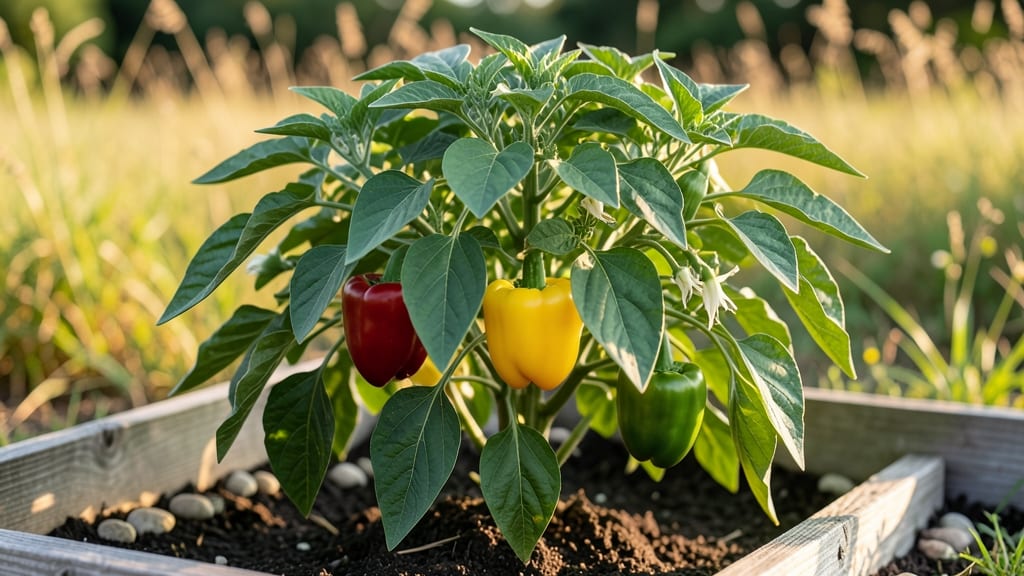
Peppers are annuals in most home gardens but can grow as perennials in ideal conditions, like USDA Zones 10-12, where they survive winters with proper care and protection from frost.
Peppers thrive as annuals because they're tropical plants that can't tolerate frost or temperatures below 50°F. 🌱 In cooler climates, they complete their life cycle in one growing season, but in warmer zones like Florida or Southern California, they can live for multiple years with the right care.
The key difference lies in their ability to withstand winter conditions—frost kills them quickly, while consistent warmth lets them keep producing.
For gardeners in mild climates, overwintering peppers is all about protection. Moving potted plants indoors or using thick mulch can extend their lifespan. I've seen jalapeño plants in Zone 11 produce for three years straight with minimal care—just pruning and occasional fertilizing.
The trade-off? Perennial peppers often yield less than annuals, but the novelty of returning plants makes it worthwhile.
💡 In This Article
- Why Peppers Die Back in Cold Climates
- How to Overwinter Peppers as Perennials
Why peppers die back in cold climates
Peppers are native to tropical and subtropical regions, where temperatures rarely drop below 50°F. Their cells contain delicate membranes that rupture when exposed to frost (32°F or lower), a condition called chilling injury.
This damage disrupts cellular functions, causing the plant to wilt and die within hours. 🌡️ The science behind this is rooted in their evolutionary adaptation—peppers evolved in climates where winter simply doesn’t exist.
Even before frost hits, cooler temperatures slow down photosynthesis. When nighttime temps fall below 60°F, pepper plants struggle to produce energy efficiently, leading to stunted growth. This is why gardeners in Zones 5-8 often see their peppers bolt (flower prematurely) or produce fewer peppers when summer nights cool down.
The plant’s survival instinct kicks in, prioritizing reproduction over growth when conditions become unfavorable.
Peppers also lack the cold-hardy mechanisms found in plants like kale or cabbage. These vegetables produce antifreeze proteins that protect their cells from freezing damage. Peppers, however, have no such defenses—once temperatures dip below 40°F, their leaves turn black and crispy within 24 hours.
This rapid decline happens because their tropical physiology isn’t equipped to handle prolonged cold exposure.
There’s another layer to this: peppers are sensitive to soil temperature too. Roots stop absorbing water efficiently when soil temps drop below 55°F, leading to dehydration stress. This is why even a light frost can kill a pepper plant—it can’t compensate for the sudden loss of water uptake.
In contrast, perennials like rosemary or thyme have deeper root systems that insulate them better against temperature swings.
What most gardeners don’t realize is that peppers also suffer from oxidative stress in cold weather. The plant’s metabolic processes produce harmful free radicals when temperatures fluctuate, damaging cell structures over time.
This is why peppers in marginal climates (like Zone 9) often look stressed even before frost—their systems are already under siege from nighttime chill.
For example, a bell pepper plant in Florida might survive a 40°F night with minimal damage, but the same plant in Georgia (Zone 8) would likely suffer leaf burn and reduced yields.
The difference comes down to heat accumulation—Florida’s warmer winters allow peppers to maintain active growth longer, while Georgia’s cooler nights push them toward dormancy.