
Vegetables
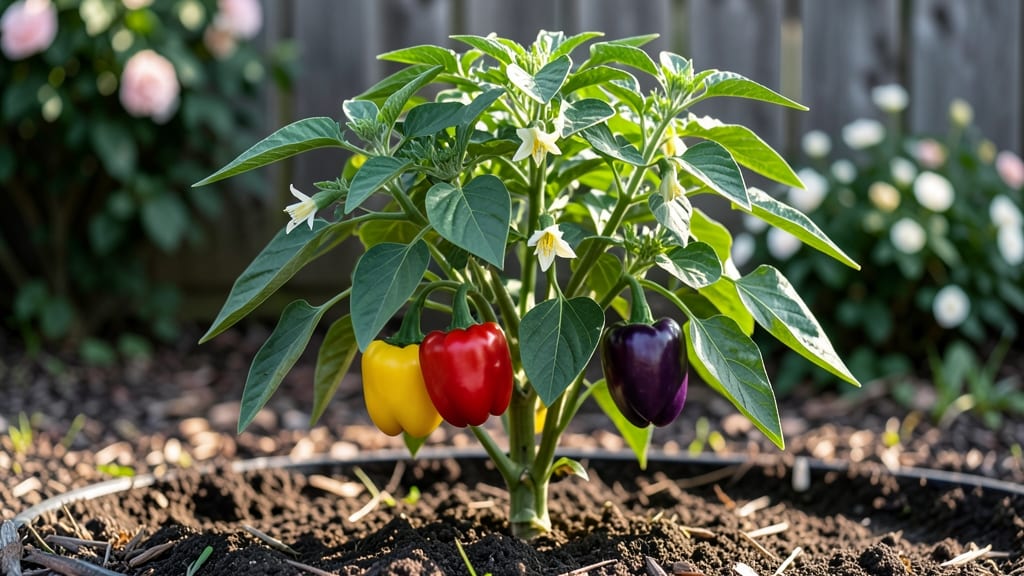
Peppers are not perennial in most climates, but with proper overwintering techniques—like container growing or mulching—they can survive multiple years in frost-free zones (USDA 9-11). Cold-sensitive varieties typically die back annually unless protected.
Peppers are tropical plants at heart, which means they struggle when temperatures drop below 32°F. 🌱 In their native habitats, they thrive year-round, but most gardeners in cooler zones treat them as annuals.
The key to extending their life lies in protecting them from frost—whether by moving potted plants indoors or insulating the soil with thick mulch. Even in mild winters, some varieties can regrow from their roots if given the right care.
What's fascinating is how certain pepper types handle cold better than others. For example, 'Armenian Red' peppers are known for their resilience, often surviving light frosts with minimal protection. Meanwhile, hotter varieties like jalapeños or habaneros need more shelter.
The trick is matching your pepper type to your local climate and using techniques like row covers or cold frames to give them a fighting chance.
💡 In This Article
- Why Most Peppers Die in Winter (And How to Change That)
- Best Perennial Pepper Varieties for Cold Climates
Why most peppers die in winter (and how to change that)
Peppers originate from tropical and subtropical regions where temperatures rarely drop below 50°F.
Their cellular structure contains high moisture levels that freeze and rupture at 32°F or lower, causing irreversible damage. 🌡️ The plant's vascular system also struggles to transport nutrients efficiently in cold conditions, leading to stunted growth or death.
This is why even well-established pepper plants in gardens typically behave as annuals in most of the U.S.
The critical threshold for pepper survival is 28°F—below this, even hardened varieties begin suffering frost damage. However, some pepper species have evolved slight cold tolerance. For instance, 'Armenian Red' peppers can withstand brief dips to 20°F with proper protection, while sweet bell peppers usually perish above 30°F.
The difference lies in their native growing conditions: Armenian peppers hail from higher elevations where nighttime temps can drop significantly.
To extend pepper lifespan, gardeners use controlled environments like greenhouses or containers. Moving potted peppers indoors before 50°F nights preserves their root systems, allowing regrowth in spring. Another effective method is mulching with 4-6 inches of straw or leaves, which insulates soil and maintains 5°F warmer temperatures.
Row covers create microclimates that can raise temps by 5-10°F, giving peppers a fighting chance during light frosts.
For those in USDA zones 5-8, overwintering peppers requires strategic planning. Start by harvesting peppers before first frost, then prune plants back to 6-12 inches tall. Bury containers with plants in deep soil or move them to unheated garages where temps stay above 40°F.
In spring, transplant them back outdoors after last frost dates, often seeing 20-30% larger yields from established roots compared to annual plantings.
One surprising fact is that pepper roots can survive 20°F soil temps if protected, while tops die back at 35°F.
This means even if your plants look dead in winter, their roots may still be alive beneath the soil. 🌱 By understanding these temperature thresholds and using protective techniques, you can transform peppers from annuals to semi-perennials in your garden.
Advanced gardeners also use thermal blankets or low tunnels to create 10°F warmer zones around pepper beds. These methods aren't just about survival—they preserve the plant's genetic integrity, allowing you to select for cold-hardier varieties over generations.
The payoff comes in spring when your peppers emerge earlier and produce more abundantly than store-bought starts.