
Advice
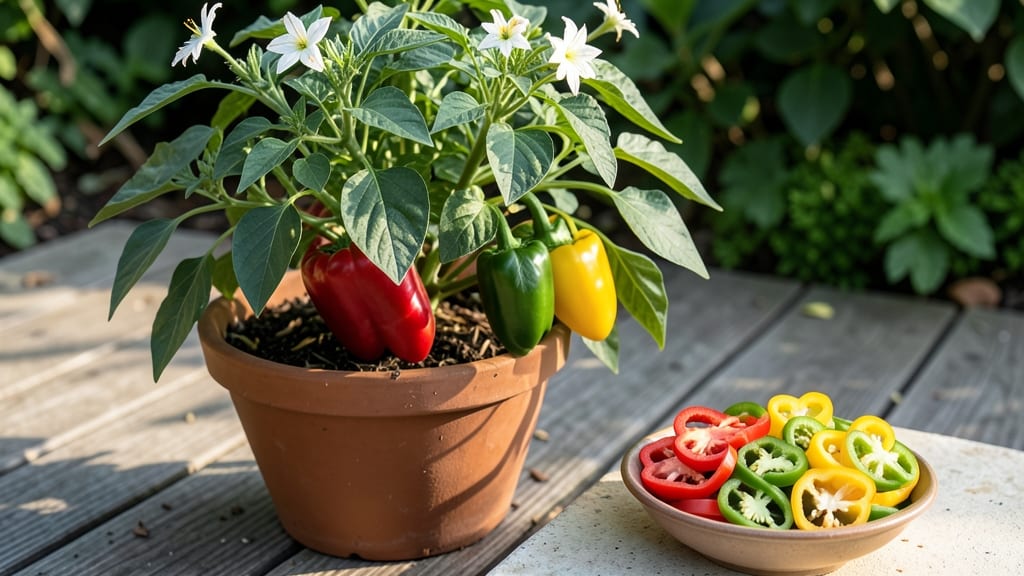
While sweet peppers aren't poisonous, the capsaicin—even in mild varieties—can irritate a dog's digestive system, especially in large amounts. 🔥 A single small slice (about 1 teaspoon) is safe for most dogs, but larger breeds may handle slightly more.
The real risk comes from overfeeding, which can trigger vomiting or diarrhea. Cooked peppers are safer than raw since heat reduces capsaicin levels, but avoid seasoning with garlic, onions, or salt.
For extra caution, start with a tiny piece and watch for reactions. If your dog shows signs of discomfort, skip the peppers altogether and opt for dog-safe veggies like carrots or green beans.
The key is balance—peppers can be a tasty treat, but they're not a nutritional powerhouse for dogs compared to their human counterparts.
💡 In This Article
- Sweet Pepper Toxicity in Dogs: Capsaicin and Nutritional Concerns
- Safe Ways to Feed Dogs Sweet Peppers: Portions, Preparation, and Alternatives
Sweet pepper toxicity in dogs: capsaicin and nutritional concerns
Sweet peppers contain trace amounts of capsaicin, the compound responsible for spiciness in hot peppers. While bell peppers have only about 0.0001% capsaicin (compared to jalapeños at 0.008%), it's still enough to irritate a dog's sensitive stomach lining.
The issue isn't toxicity but irritation—capsaicin triggers mild inflammation in the gastrointestinal tract, especially in dogs with sensitive digestive systems. Think of it like eating a tiny bit of mild chili for the first time: it might not be dangerous, but it could cause discomfort.
The water content in sweet peppers (about 90% by weight) also plays a role. While hydrating, sudden water volume changes can overwhelm a dog's stomach, leading to bloating or diarrhea. This is particularly true for small dogs, whose systems are more delicate.
Cooking reduces capsaicin levels by up to 30% due to heat breakdown, making steamed or roasted peppers safer than raw. However, the fiber content (about 2.5 grams per 100 grams) can act as a mild laxative if fed in excess, which is why moderation is critical.
Nutritionally, sweet peppers offer dogs vitamin C (about 127% of a dog's daily needs per 100 grams) and small amounts of vitamin A and potassium. But these benefits are overshadowed by the risks of overfeeding.
For example, a 15-pound dog would need to eat an entire large bell pepper to get toxic levels of capsaicin, but the digestive upset could occur with just 1/4 of a pepper if not prepared properly.
The key is balance—peppers can be a treat, but they shouldn't replace dog-safe veggies like carrots or green beans.
Here's what happens when a dog eats too much: capsaicin binds to pain receptors in the stomach, triggering mild nausea or vomiting. The high water content can also dilute stomach acids, leading to diarrhea.
Symptoms usually appear within 6-12 hours and resolve within 24 hours if no additional peppers are consumed. In rare cases, dogs with pre-existing conditions (like pancreatitis) may react more severely, so always monitor their response.
Cooking methods matter too. Raw peppers contain the most capsaicin, while steaming or baking reduces it significantly. For example, roasting at 375°F for 20 minutes can lower capsaicin levels by 25-30%. However, avoid seasonings like garlic, onions, or salt, which are toxic to dogs.
Even a tiny amount of garlic powder (which contains allicin) can cause anemia in dogs, so always serve plain peppers.
Consider this comparison: a 1-ounce serving of bell pepper (about 1/8 of a medium pepper) is safe for most dogs, but a 4-ounce serving (half a pepper) could trigger digestive upset.
The difference lies in the capsaicin concentration and water volume—what's a snack for a large dog could be overwhelming for a small breed. Always introduce new foods gradually and in tiny portions.