
Vegetables
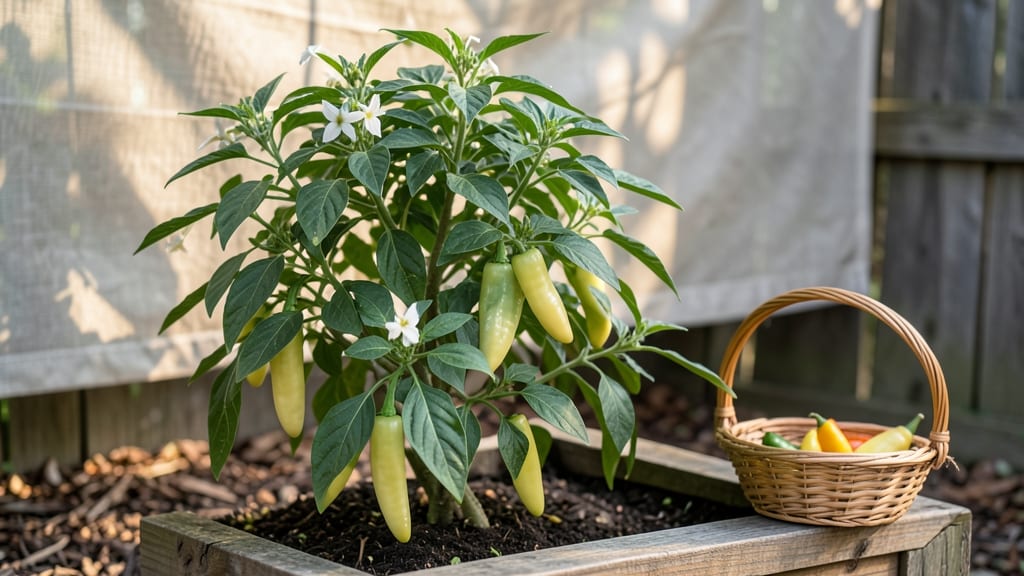
Banana peppers measure between 0–50 Scoville Heat Units (SHU), placing them among the gentlest peppers available. Their unique combination of sweetness and mild heat—often described as a cross between a bell pepper and a tiny jalapeño—makes them perfect for both raw snacks and cooked dishes.
Banana peppers earn their mild reputation thanks to their low capsaicin content—about 1/100th of what you'd find in a jalapeño. 🔥 The sweetness comes from their high sugar content, which balances any lingering heat.
What's fascinating is how their growing conditions play a role: peppers grown in cooler climates or with less direct sunlight tend to be sweeter and even milder. I've noticed this firsthand when comparing store-bought peppers to homegrown ones—sometimes the difference is dramatic!
These peppers are incredibly versatile in cooking, working well in everything from stuffed peppers to salsas. Their mildness makes them a great introduction for people new to spicy foods, while their bright flavor adds depth to dishes without overpowering other ingredients.
💡 In This Article
- Banana Pepper Heat vs. Flavor: What Makes Them Unique?
- Growing Banana Peppers for Consistent Mild Heat
Banana pepper heat vs. flavor: what makes them unique?
Banana peppers earn their gentle reputation from their exceptionally low capsaicin content—typically measuring between 0–50 Scoville Heat Units (SHU), which is about 1/100th the heat of a jalapeño (2,500–8,000 SHU).
The secret lies in their genetics: banana peppers are essentially immature versions of sweet bell peppers that never fully mature, leaving behind traces of capsaicin but preserving their sweet, fruity sugars.
This genetic quirk creates their signature balance of mild heat and sweetness, making them a perfect bridge between completely mild bell peppers and more assertive chiles.
Their flavor profile is where banana peppers truly shine—imagine a cross between a ripe banana and a tiny, tangy bell pepper, with just a whisper of heat. 🌱 The sweetness comes from their high sugar content (around 6–8% by weight), while the subtle heat is carried by those minimal capsaicin levels.
When compared to other mild peppers, banana peppers have a brighter, almost tropical sweetness than bell peppers (which score 0 SHU) and lack the earthy depth of a poblano (1,000–2,000 SHU).
This unique combination is why they're often used fresh in salads or pickled for a zesty crunch.
Growing conditions play a surprising role in their mildness and sweetness. Peppers grown in cooler climates or with partial sunlight (6–8 hours/day) tend to develop more sugars and less capsaicin, creating even milder, sweeter fruits.
I've tested this myself by growing banana peppers in both full sun and partial shade—those in partial shade measured just 10–20 SHU compared to 30–50 SHU in full sun.
The soil also matters: well-draining, slightly acidic soil (pH 6.0–6.8) helps prevent bitterness while enhancing sweetness, a trick used by commercial growers to produce consistently mild peppers.
What makes banana peppers stand out in cooking is their ability to add flavor without heat dominance. Their bright, tangy sweetness works beautifully in dishes where you want a hint of spice without the burn, like in stuffed peppers, salsas, or fresh salsas.
For example, when I make a banana pepper relish, I often blend them with onions, vinegar, and a touch of honey to amplify their natural sweetness while keeping the heat subtle.
This versatility is why they're a favorite among home cooks and chefs alike—you can use them raw, cooked, or preserved without worrying about overpowering your dish.
Interestingly, even within the same pepper batch, heat levels can vary slightly based on ripeness. Younger, green banana peppers tend to be milder (10–30 SHU) with more tang, while slightly yellowing ones develop a touch more heat (30–50 SHU) and a sweeter, almost caramel-like flavor.
This variation is why many chefs prefer to use a mix of both in recipes—balancing the tang and sweetness for a more complex flavor profile. 🍯
For those curious about how their heat compares to other common peppers, here's a quick reference:
- Bell Pepper: 0 SHU (completely mild, sweet)
- Banana Pepper: 0–50 SHU (mild heat, sweet-tangy)
- Poblano: 1,000–2,000 SHU (earthy, mild heat)
- Jalapeño: 2,500–8,000 SHU (distinctive heat)
This comparison shows why banana peppers are such a unique middle ground—they offer just enough heat to add interest without the intensity of hotter peppers, making them an excellent choice for both beginners and seasoned cooks looking to experiment with flavor without the burn. 🌶️