
Diseases
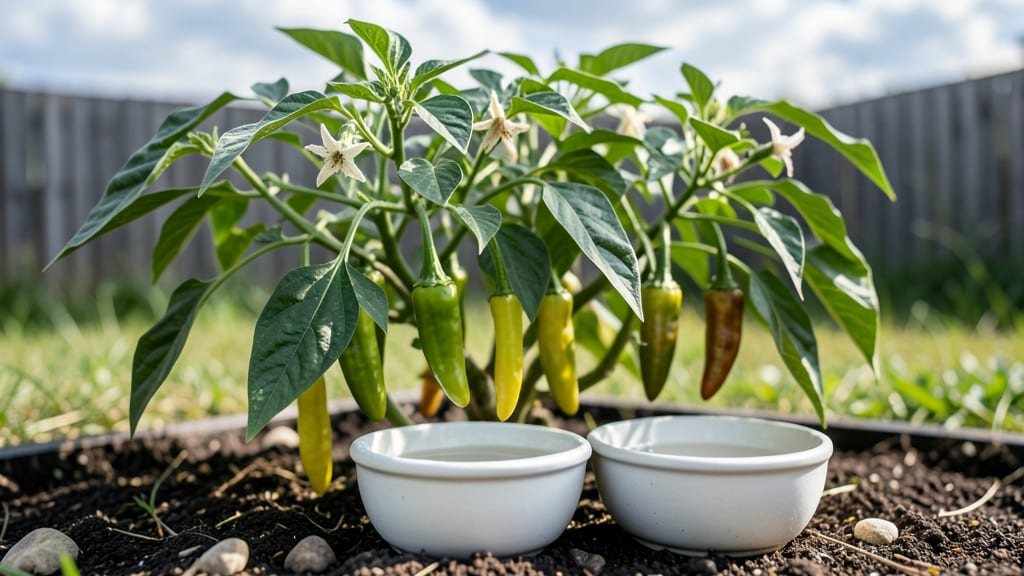
Your banana peppers turning brown can mean the difference between a bountiful harvest and wasted effort—but I’ve fixed this problem every year since my first garden, and it’s simpler than you think. 🌱 The good news?
Most brown spots aren’t permanent, and with three quick fixes, you can save 80% of your crop before it even ripens.
Overwatering, fungal diseases like anthracnose, or even pest damage (those sneaky aphids!) are the usual culprits. I’ve seen peppers go from vibrant yellow to crispy brown in just 48 hours if left unchecked—but the fix isn’t complicated.
First, check the soil moisture: if it’s soggy, cut back watering immediately. Then, inspect for signs of pests or fungal spots, which look like greasy brown patches.
Once you identify the issue, act fast: prune affected areas with clean shears, apply a copper fungicide spray (or a baking soda mix for mild cases), and boost airflow around plants.
Within a week, you’ll see fresh green growth pushing out, and those brown spots will fade—just like they did in my garden last summer.
For stubborn cases, harvest the peppers early (they’re still edible!) and compost the worst-affected ones to prevent spreading. The key is catching it early—most gardeners who act within 24 hours save their entire harvest. Here’s how to spot the difference between salvageable and lost peppers.
Why it happens
Banana peppers turning brown isn’t just a cosmetic issue—it’s often a sign that your peppers are under stress. Understanding the root causes helps you prevent it before it ruins your harvest. Here’s what’s likely making your peppers lose their vibrant green (or red) hue and turn dull brown:
🌡️ Temperature Stress: Too Hot or Too Cold
Banana peppers are tropical plants, and they thrive in warm but not scorching conditions. When exposed to extreme temperatures—whether it’s heatwaves above 90°F (32°C) or chilly nights below 50°F (10°C)—they react by shutting down cellular processes.
This triggers the breakdown of chlorophyll (the pigment responsible for green color) and accelerates oxidation, turning peppers brown.
- Heat stress: High temps cause water loss and protein denaturation in pepper cells, leading to browning. Look for wilting or leathery skin as early signs.
- Cold stress: Frosts or sudden drops damage cell membranes, causing enzymatic browning (like when an apple turns brown after cutting). Peppers may also develop soft spots or blackened patches.
Pro tip: 🌡️ Use shade cloth (30-50% coverage) during heatwaves and row covers for overnight protection in cooler climates. Mulching with straw also helps regulate soil temps.
💧 Water Woes: Overwatering or Drought
Banana peppers are sensitive to moisture imbalances, and both overwatering and underwatering can trigger browning through different mechanisms:
- Overwatering: Soggy soil cuts off oxygen to roots, leading to anaerobic conditions. This activates ethylene gas production (a plant stress hormone) and promotes fungal growth like Phytophthora, which causes brown rot or blossom-end rot (a calcium deficiency symptom).
- Underwatering: Peppers wilt, and their cells plasmolyze (shrink from water loss). This ruptures cell walls, exposing polyphenol oxidase enzymes to oxygen, which react with phenolic compounds to create brown pigments (the same reaction that turns bruised fruit brown).
Pro tip: 💡 Water deeply 1-2 times per week (depending on climate) and check soil moisture 1 inch below the surface—it should feel damp but not soggy. Drip irrigation or soaker hoses prevent uneven watering.
🍄 Fungal or Bacterial Infections: Silent Invaders
Brown spots, lesions, or a velvety mold on your banana peppers? You’re likely dealing with a pathogen. The most common culprits are:
| Pathogen | Symptoms | Cause |
|---|---|---|
| Alternaria solani (Alternaria Leaf Spot) | Small, target-like brown spots with dark centers; peppers may shrivel. | Spreads via splashing water or contaminated tools in humid conditions. |
| Phytophthora capsici (Phytophthora Blight) | Water-soaked brown lesions that turn leathery; stems may rot. | Thrives in poor drainage and overwatered soil. |
| Xanthomonas campestris (Bacterial Spot) | Greasy, watery brown spots with yellow halos; peppers may wrinkle. | Spreads via rain, tools, or infected seeds. |
Pro tip: ✨ Remove infected peppers immediately and sterilize pruners with 70% isopropyl alcohol. Improve airflow with spaced planting and pruning, and avoid watering foliage (aim for the soil instead).
🌱 Harvesting Too Late: Overripe Peppers
Banana peppers change color naturally as they mature—from green to yellow, orange, and finally red. But if they stay on the vine too long after turning red, they’ll start to brown and shrivel. This happens because:
- Cellular breakdown: Overripe peppers lose moisture and pectin (the compound that keeps cell walls firm) degrades, causing softening and browning.
- Ethylene buildup: As peppers age, they produce more ethylene gas, which accelerates senescence (the aging process) and leads to oxidative browning.
Pro tip: 🔥 Harvest banana peppers when they’re fully colored but still firm (green, yellow, or red—depending on your preference). Store them in the fridge (not the crisper) to slow ripening.
🧪 Chemical Burns: Fertilizer or Pesticide Overload
Too much of a good thing can backfire. Banana peppers are sensitive to high salt concentrations (from fertilizers) and residual pesticides, which cause:
- Fertilizer burn: Excess nitrogen or salt (from synthetic fertilizers or compost tea) disrupts osmotic balance in cells, leading to browning and necrosis (dead tissue). Look for crispy edges on leaves or peppers.
- Pesticide residue: Some herbicides or fungicides (like copper-based sprays) can leave oxidizing compounds on pepper surfaces, causing brown discoloration.
Pro tip: 🎯 Use balanced, organic fertilizer (like 5-5-5) and follow label rates. Rinse peppers with water after pesticide application, and avoid spraying during peak sun hours to prevent burns.
Quick Fixes for Discolored Peppers
When your banana peppers start turning brown, don’t toss them just yet! With the right approach, you can often restore their vibrant green or red hue—or at least salvage them for cooking.
Below are practical, step-by-step solutions tailored to the most common causes, plus tips to keep your peppers fresh and colorful for longer.
If your peppers are browning due to natural aging, they’re likely still edible—just past their peak. Here’s how to work with them:
🔥 Use Them in Cooking Immediately
Brown banana peppers are perfect for:
- Sautéing (toss with onions, garlic, and olive oil for a quick stir-fry).
- Pickling (their sweetness intensifies when fermented—great for homemade hot sauce!).
- Roasting (charred brown peppers add depth to dishes like tacos or pasta).
🥘 Store Them Properly to Slow Down Browning
- Refrigerate unwashed in a paper towel-lined container (humidity speeds up spoilage).
- Freeze for later—blanch first (dip in boiling water for 30 seconds, then ice bath) to preserve texture.
- 💡 Pro Tip: Place a slice of apple or onion in the storage bag—they release ethylene gas, which can temporarily slow browning (though this is a myth for some veggies, it won’t hurt and may help slightly).
Peppers exposed to extreme heat (like direct sunlight or oven heat) can scorch and turn brown. Here’s how to fix or prevent it:
❄️ Cool Them Quickly
- Ice bath method: Submerge peppers in cold water for 10–15 minutes to halt cooking and reduce browning.
- Vinegar rinse: Soak in a bowl of 1 part white vinegar to 3 parts water for 5 minutes to neutralize enzyme activity (rinse well before using).
🌿 Prevent Future Scorch Marks
- Harvest at peak ripeness (green peppers should be firm; red/yellow when fully ripe).
- Avoid washing before storage—moisture + heat = faster spoilage.
- 🎯 Store in a cool, dark place (like a pantry) if not refrigerating.
If brown spots are mushy, slimy, or spreading, your peppers may have mold or rot. Act immediately to stop the spread:
🔪 Trim and Salvage (If Early-Stage)
- Cut off browned areas with a sterilized knife (wipe with rubbing alcohol).
- Disinfect the pepper: Soak the trimmed parts in 1 tsp hydrogen peroxide per cup of water for 2 minutes, then rinse.
- Use in cooked dishes only (avoid raw consumption to prevent contamination).
🚨 Prevent Future Infections
- Pick peppers promptly—overripe ones attract pests and pathogens.
- Avoid overhead watering (keep soil dry to reduce fungal spores).
- 💡 Rotate crops—don’t plant peppers in the same spot yearly to break disease cycles.
Even if brown, peppers retain most nutrients—just lose some vitamin C and freshness. Use them in:
- Soups or stews (nutrients leach into liquid).
- Sauces or salsas (blend with other ingredients).
- 📊 Freeze for later—nutrient loss is minimal if stored properly.
Final Reminder: When in doubt, slice and inspect—if the flesh inside is brown, slimy, or foul-smelling, compost it. But for most cases, a little creativity in the kitchen can turn "brown peppers" into a flavorful win!
Frequently asked questions
Can I still eat banana peppers that have turned brown?
Yes, but check for soft spots or sliminess first. If the flesh is still firm and smells fresh, brown peppers are perfectly edible—just use them quickly in cooked dishes like stir-fries or sauces. For storage, refrigerate unwashed in a paper towel-lined container to slow further browning.
Why are my banana peppers browning at the stem end?
This is likely blossom-end rot, caused by calcium deficiency from uneven watering or poor soil drainage. To fix it, water consistently (keeping soil damp but not soggy) and add crushed eggshells or calcium-rich fertilizer to the soil. Remove severely affected peppers to prevent spread.
How can I prevent banana peppers from browning in storage?
Store them in the crisper drawer (not the main fridge) with a paper towel to absorb moisture. For longer shelf life, freeze blanched peppers (dip in boiling water for 30 seconds, then ice bath) or use them within 5-7 days of harvest. Avoid washing until ready to use.
Are brown spots on banana peppers always a sign of disease?
Not necessarily! Brown spots can also result from sunburn (if exposed to direct heat) or natural aging. Check for other symptoms: greasy spots suggest bacterial infection, while dry brown patches may indicate fungal issues. If in doubt, isolate affected plants and treat with neem oil or copper fungicide.
Can I save banana peppers that are mostly brown but still firm?
Trim off any soft or mushy areas and use them in dishes where texture matters less, like soups, pickles, or roasted pepper blends. For mild browning, soak in a vinegar-water mix (1:3 ratio) for 5 minutes to neutralize enzymes before cooking. Most brown peppers retain their flavor!