
Planting
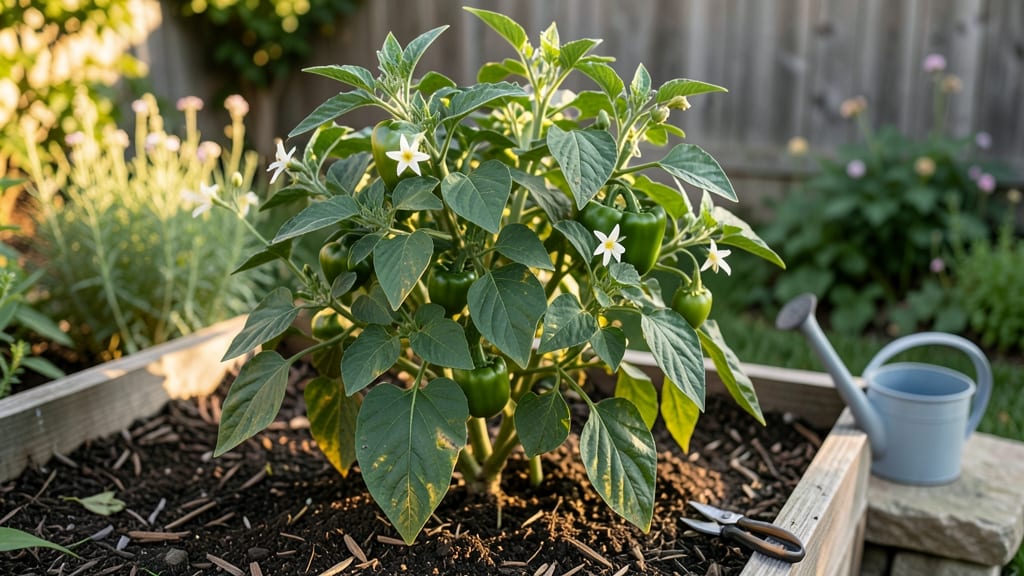
Bell pepper leaves curling is a classic cry for help from your plant—like a tiny red flag waving at you from the garden bed. 🌱 I’ve seen this happen after a heatwave, when pests move in, or when watering gets wonky, and the good news is you can usually turn it around fast.
The key is figuring out whether your plant is thirsty, stressed, or under attack before the damage spreads.
Most of the time, curling leaves point to one of three culprits: underwatering (leaves pucker like dried paper), pests (tiny webs or sticky residue on the undersides), or nutrient burnout (yellowing between veins).
I’ve even seen it happen when peppers get too much love—overwatering or rich fertilizer can scorch roots, leaving leaves curling in frustration. The fix depends on the cause, but the first step is always a close-up inspection.
Once you spot the problem, the solutions are straightforward. For pests, a strong spray of water or neem oil does the trick. If it’s water-related, adjust your routine—peppers like 1-1.5 inches of water per week, never soggy soil.
And if the soil’s exhausted, a balanced fertilizer (half-strength) can revive growth in days. You’ll see leaves unfurl within 3-5 days of correcting the issue, and your plants will bounce back stronger than before.
Prevention is easier than fixing: mulch to keep moisture steady, check undersides weekly for pests, and avoid heavy fertilizer early in the season. With these tweaks, your peppers will stay lush, productive, and pest-free—no more mystery curling leaves ruining your harvest.
Root Causes Behind Leaf Distress
Bell pepper leaves curling can be frustrating, but understanding the underlying causes is the first step to saving your plants. 🌱🔍 Let’s break down the most common reasons—from environmental stressors to hidden pests—so you can pinpoint the issue and take action.
---
#### 🌡️ Extreme Temperatures Bell peppers thrive in warm, stable conditions, but sudden temperature swings—whether too hot or too cold—can trigger leaf curling. Why it happens: - Heat stress: Temperatures above 90°F (32°C) cause leaves to curl inward to reduce water loss through transpiration.
This is the plant’s way of conserving moisture in dry, scorching conditions. - Cold damage: Frost or chilly nights below 50°F (10°C) disrupt cell function, leading to stiff, curled leaves. Cold stress also slows nutrient uptake, weakening the plant’s structure.
Actionable fix: - Provide shade cloth (30-50%) during peak summer heat. - Use row covers or mulch to insulate roots in cooler climates. - Avoid planting in low-lying areas where cold air pools overnight.
---
#### 💧 Watering Woes Overwatering or underwatering both stress bell pepper plants, causing leaves to curl as a distress signal. Why it happens: - Underwatering: Soil drying out too quickly forces leaves to curl downward (a survival mechanism to minimize water evaporation).
Wilting and crispy edges often follow. - Overwatering: Soggy roots suffocate the plant, preventing oxygen uptake. Curling upward or yellowing leaves signal root rot or nutrient starvation due to poor drainage.
Actionable fix: - Check soil moisture by sticking your finger 1-2 inches deep—water when the topsoil feels dry. - Use well-draining pots (with drainage holes) or raised beds to prevent waterlogging. - Water deeply but infrequently (1-1.5 inches per week), focusing on the base of the plant, not the leaves.
---
#### 🐛 Sap-Sucking Insects Tiny pests like aphids, spider mites, and whiteflies pierce leaves to feed on sap, causing curling as a direct physical response. Why it happens: - Aphids inject toxins that distort new growth, leading to puckered, curled leaves (often sticky with honeydew). - Spider mites thrive in dry heat and create silver webbing on undersides, causing leaves to curl upward and turn yellow/brown. - Thrips feed on leaf edges, leaving scalloped damage and curling as the plant reacts to tissue loss.
Actionable fix: - Blast off pests with a strong stream of water (disrupts their life cycle). - Apply neem oil or insecticidal soap (follow label instructions for safety). - Introduce beneficial predators like ladybugs or lacewings to control outbreaks naturally.
---
#### 🍄 Fungal and Bacterial Infections Pathogens like early blight, late blight, or bacterial leaf spot can cause curling as the plant’s immune response. Why it happens: - Early blight (Alternaria solani) creates concentric rings on leaves, which curl upward to trap moisture and spread spores. - Late blight (Phytophthora infestans) causes oily, dark spots and rapid curling—often fatal if untreated. - Bacterial leaf spot (Xanthomonas) leads to water-soaked lesions that curl leaves inward as the tissue dies.
Actionable fix: - Remove infected leaves immediately and sterilize pruners with rubbing alcohol. - Space plants 18-24 inches apart for airflow and reduce humidity with a fan. - Rotate crops annually to prevent soil-borne pathogens. - Copper fungicide or baking soda spray (1 tsp baking soda + 1 quart water + drop of soap) can help for bacterial issues.
---
#### 🌱 Poor Soil Conditions Bell peppers are heavy feeders and need balanced nutrients.
Curling can signal deficiencies or excesses. Why it happens: - Nitrogen deficiency: Leaves curl downward and turn yellow (especially older leaves) as the plant struggles to produce chlorophyll. - Potassium deficiency: Leaves curl upward and develop brown edges (a classic sign of "scorch"), as potassium regulates water and nutrient transport. - Calcium deficiency: New leaves curl upward with cupped edges (a symptom of blossom end rot’s early stages), as calcium strengthens cell walls.
Actionable fix: - Test your soil (pH should be 6.0-6.8 for bell peppers). - Amend soil with compost or well-rotted manure for organic matter. - Side-dress with a balanced fertilizer (10-10-10) at planting and again mid-season. - For calcium issues, add crushed eggshells or gypsum to the soil.
--- Pro Tip: 💡 Keep a garden journal! Track watering, fertilizing, and pest events to spot patterns—this helps you act faster next time.
Quick Fixes for Wrinkled Pepper Leaves
Now that you’ve pinpointed the cause of your bell pepper plant’s curled leaves, it’s time to roll up your sleeves and turn things around! Below are targeted solutions for each common issue, along with prevention tips to keep your plants thriving.
Think of this as your emergency repair kit—simple, actionable, and guaranteed to get your peppers back on track.
---
Problem: Overwatering or underwatering causes leaves to pucker like a dried-up raisin. Solution: 1. Check the Soil Moisture 🌱 - Stick your finger 1–2 inches deep into the soil. If it’s soggy, you’re overwatering. If it’s bone-dry, it’s time to hydrate. - Pro Tip: Use a moisture meter for accuracy—no more guesswork!
2. Adjust Your Watering Routine 💦 - Underwatered? Water deeply until it drains from the bottom of the pot (or 6 inches into garden soil). Repeat every 2–3 days in hot weather, less in cooler climates. - Overwatered? Let the top 1–2 inches of soil dry out before watering again.
Elevate pots to improve drainage if needed.
3. Improve Drainage 🏗️ - Add perlite or sand to heavy clay soil to loosen it up. - For potted plants, ensure pots have drainage holes and use well-draining cactus or vegetable mix.
Prevention: - Water in the morning to reduce evaporation and fungal risks. - Mulch around garden plants to retain moisture without waterlogging.
---
Problem: Tiny invaders suck the life out of leaves, causing them to curl and yellow. Solution: 1. Isolate the Plant 🛑 - Move the affected plant away from others to prevent spreading. Check nearby plants daily.
2. Blast Them Off 💦 - Water spray: Use a strong stream of water to dislodge aphids or spider mites from leaves. - Neem oil spray: Mix 1 tsp neem oil + 1 tsp mild soap + 1 quart water. Spray every 5–7 days until pests vanish.
3. Introduce Beneficial Bugs 🐞 - Ladybugs and lacewings devour aphids. Buy them online or attract them with dill or fennel plants nearby.
Prevention: - Inspect new plants before bringing them home (quarantine for a week!). - Encourage biodiversity—healthy soil = fewer pests.
---
Problem: Too much sun or sudden heat waves cause leaves to crisp and curl. Solution: 1. Provide Shade Cloth 🏖️ - If your peppers are in full sun (6+ hours/day), add 30–50% shade cloth during peak afternoon heat (12 PM–4 PM).
2. Mulch Like a Pro 🌿 - Spread 2–3 inches of mulch (straw, wood chips) around the base to retain moisture and regulate soil temperature.
3. Adjust Watering for Heat 💦 - In 90°F+ weather, water early morning and late evening to prevent leaf scorch. - Drip irrigation is best—it delivers water directly to roots without wetting leaves (which can cause sunburn).
Prevention: - Choose heat-tolerant varieties like ‘Carmen’ or ‘Aristotle’ if you live in a hot climate. - Start seeds indoors 8–10 weeks before last frost to harden off plants gradually.
---
Problem: Cold drafts or sudden temperature drops shock plants, causing leaves to pucker. Solution: 1. Move Potted Plants Indoors 🏠 - If frost is forecasted, bring pots into a garage or sunroom (but keep them in bright, indirect light).
2. Use Row Covers 🛡️ - For garden plants, drape frost cloth over them at night. Secure with stakes or bricks.
3. Avoid Cold Drafts ❄️ - Keep plants at least 3 feet away from windows, doors, or AC vents.
Prevention: - Plant in microclimates—south-facing walls or near brick buildings trap heat. - Use black plastic mulch in early spring to warm soil faster.
---
Problem: Yellowing, curling leaves = hungry peppers! Solution: 1. Test Your Soil 📊 - Grab a DIY soil test kit (or send a sample to your local extension office) to check pH and nutrient levels.
2. Fertilize Right 🍽️ - Balanced fertilizer (10-10-10) at planting, then switch to low-nitrogen, high-phosphorus (5-10-10) when flowers appear. - Organic option: Mix in compost or worm castings for a slow-release boost.
3. Fix Specific Deficiencies 💡 - Magnesium (yellow edges)? Sprinkle Epsom salt (1 tbsp/gallon water) every 2 weeks. - Calcium (blossom-end rot)? Use crushed eggshells or calcium nitrate.
Prevention: - Side-dress with compost mid-season for a steady nutrient supply. - Rotate crops—don’t plant peppers in the same spot yearly.
--- If leaves are severely damaged (brown, crispy, or diseased), it’s time for a clean-up pruning: 1. Snip the Bad Leaves ✂️ - Use sterilized scissors to cut off curled, yellow, or spotted leaves at the base.
2. Boost Recovery 🌿 - After pruning, give your plant a light feed of fish emulsion (diluted to 1 tbsp/gallon) to speed up regrowth. 3. Monitor Closely 👀 - Watch for new growth patterns—if curls persist, revisit the cause list!
--- Final Pro Tip: 🌟 Keep a plant journal! Note watering, fertilizing, and pest events. Patterns will reveal what’s really stressing your peppers—no more guesswork!
Frequently asked questions
Why do my bell pepper leaves curl upward instead of downward?
Upward curling usually signals dry heat stress or sap-sucking pests like spider mites. When temperatures exceed 90°F (32°C), leaves curl upward to reduce moisture loss. Check undersides for tiny webs or yellowing—those are spider mite red flags. Downward curling often means underwatering.
Can I save my pepper plant if the curling is from pests?
Yes! Act fast with neem oil spray (1 tsp oil + 1 tsp soap per quart water) or a strong water blast to dislodge aphids/mites. Repeat every 5-7 days until new growth appears. For severe cases, isolate the plant and introduce ladybugs—they eat pests naturally. Most plants recover within 1-2 weeks of treatment.
What’s the fastest way to fix nutrient-related curling?
For potassium deficiency (brown edges + upward curls), use Epsom salt (1 tbsp/gallon water) weekly. For calcium issues (cupped edges), crush eggshells into soil or use calcium nitrate. Test soil pH first—peppers need 6.0-6.8. Results appear in 3-5 days with consistent care.
Is curling always bad? When should I ignore it?
Mild curling from morning humidity (leaves unfurl by afternoon) is normal. Focus on severe symptoms: crispy edges (underwatering), sticky residue (pests), or black spots (disease). If only 1-2 leaves curl and the plant thrives otherwise, it’s likely temporary stress—no action needed.
How do I prevent curling in my next pepper harvest?
Start with well-draining soil (mix compost + perlite) and mulch heavily to stabilize moisture. Use drip irrigation and water deeply 2-3x/week instead of daily shallow watering. Check plants weekly for pests and choose heat-tolerant varieties like ‘Carmen’ for hot climates.