
Picking
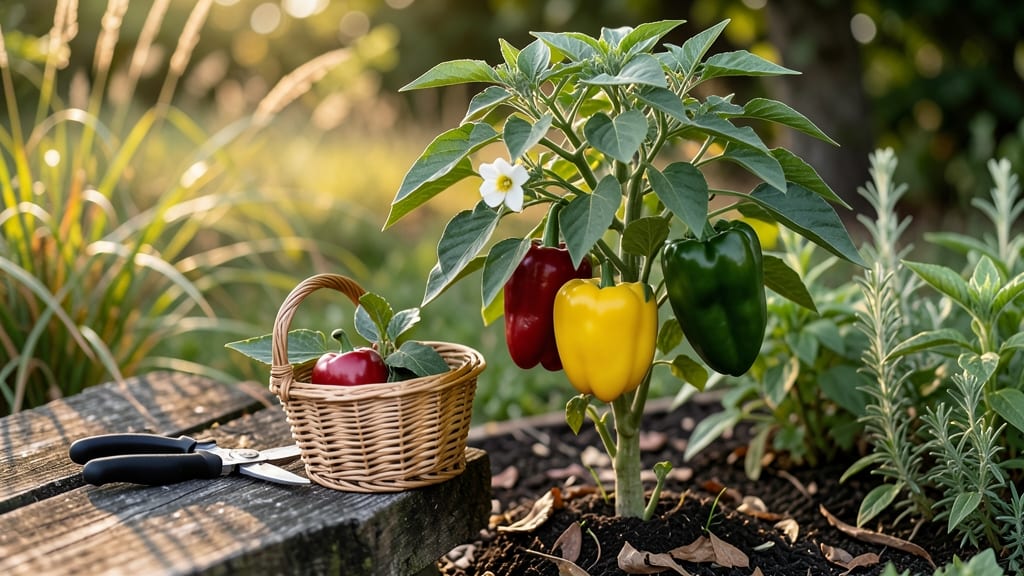
Your bell pepper size isn't just luck—it's a mix of variety, sunlight, and a few key tricks. 🌱 I've grown everything from tiny snack peppers to 2-pound monsters, and the difference comes down to spacing, pruning, and feeding.
Most gardeners overlook how much sunlight their plants actually get, or how aggressive they are with fertilizer. The right variety makes all the difference: 'Big Beef' or 'California Wonder' consistently produce large peppers, while 'Snack Mix' stays small on purpose.
Give plants 18-24 inches of space, prune suckers early, and feed with balanced fertilizer every 3-4 weeks. Too much nitrogen? You'll get leafy plants and tiny peppers. By midsummer, you'll see the payoff: thick-walled, vibrant peppers that stay firm on the vine.
The secret is patience—peppers need full sun (6+ hours daily) and consistent moisture, but never soggy soil. Overwatering stunts growth faster than anything else. Works for backyard gardens, containers, and even greenhouses. Here's how to dial in the perfect size for your harvest—no guesswork involved.
📚 In This Guide
- What you need
- Instructions
- Tips and common mistakes
- Wrapping up and next steps
What you need
- ● Bell Pepper Seeds or Seedlings: Choose varieties suited to your climate (e.g., 'California Wonder' for large peppers, 'Jalapeño' for smaller, spicier options).
- ● Quantity: 3–6 plants per person (or 1–2 per pot if container gardening).
- ● Potting Soil or Garden Bed Soil: Well-draining, fertile soil with a pH of 6.0–6.8 (amend with compost if needed).
- ● Quantity: 1–2 cubic yards for in-ground gardens or 5–10 gallons per container.
- ● Fertilizer: Balanced 10-10-10 or 5-10-10 fertilizer (or organic options like composted manure).
- ● Quantity: Follow package instructions (typically 1–2 tbsp per plant every 4–6 weeks).
- ● Watering Can or Hose with Soaker Nozzle: Ensure even moisture without damaging plants.
- ● Gloves: Heavy-duty gardening gloves to protect hands from thorns and soil.
- ● Pruning Shears or Sharp Scissors: For trimming excess foliage or harvesting.
- ● Measuring Tape or Ruler: To monitor pepper size (aim for 3–6 inches in diameter for standard bell peppers).
- ○ Stakes or Cages (Optional): For tall varieties (e.g., 'Monarch King') to support heavy fruit.
- ○ Mulch (Optional): Straw or wood chips to retain moisture and suppress weeds.
- ○ Row Cover or Shade Cloth (Optional): For young plants in hot climates (30–50% shade).
- ● Sunlight: Full sun (6–8+ hours daily)—bell peppers are sun-worshippers!
- ● Warmth: Soil temperatures above 60°F (15°C) (use a soil thermometer if needed).
- ● Patience: Bell peppers take 60–90 days to mature from transplanting.
How to determine the perfect bell pepper size for harvest
Here's how I ensure every pepper I grow reaches its ideal harvest window—no overripe messes, no undersized disappointments.
🌱 Step 1: Understand Pepper Maturity Stages by Variety
Bell peppers mature at different sizes depending on the variety. Sweet bell peppers typically reach harvest size between 3 to 5 inches in length, while hot varieties like jalapeños or serranos stay smaller—2 to 3 inches—when fully ripe. I always check the seed packet or plant tag for the expected mature size, as this varies even among bell pepper types.
Watch for color changes as your primary indicator. Most bell peppers start green and shift to red, yellow, or orange when fully mature, but some varieties remain green at harvest. The size guide applies to all stages, but color confirms readiness. For example, a 4-inch red bell pepper is perfect for slicing, while a 3-inch green one works best for stuffing.
☀️ Step 2: Monitor Growth and Adjust Light Exposure
Peppers need 6 to 8 hours of direct sunlight daily to grow properly. If your plants are in containers or a shaded spot, they’ll grow slowly and produce smaller peppers. I check for leggy stems or pale leaves—signs of insufficient light—and move plants closer to a sunny window or under grow lights if needed.
Peppers grow fastest when temperatures stay between 70-85°F. If nights dip below 55°F, growth slows dramatically, and peppers may never reach their full size. Use row covers or move potted plants indoors at night if your climate gets chilly. You’ll see a noticeable slowdown in growth if temperatures drop, so act quickly to protect them.
✂️ Step 3: Harvest at Peak Size for Best Flavor and Texture
Harvest bell peppers when they reach 75-80% of their expected mature size for the best balance of flavor and texture. A 4-inch green bell pepper is ideal for pickling, while a fully mature 5-inch red one is sweeter and better for fresh eating. Use clean pruning shears to cut the stem just above the fruit to avoid damaging the plant.
Don’t wait until peppers are fully mature if you’re using them for cooking—overripe peppers lose crispness and develop a mealy texture. I like to harvest a few peppers early to encourage the plant to produce more. If left too long, peppers may crack or fall off the vine, wasting your effort. Check plants every 2-3 days during peak production to stay on top of harvests.
🌿 Step 4: Prune for Better Airflow and Larger Peppers
Pruning encourages stronger growth and larger peppers by improving airflow and redirecting energy. Remove any suckers (small shoots that form in the leaf axils) and yellowing or diseased leaves to keep the plant healthy. I also pinch off the first few flowers if the plant is still small, as this helps it grow taller before producing fruit.
Peppers grow best when they have space between them—crowded plants produce smaller, lower-quality fruit. If growing in containers, 1-2 plants per 5-gallon pot is ideal. In garden beds, space plants 18-24 inches apart. Good airflow prevents fungal diseases, which can stunt growth and reduce pepper size. A well-pruned plant will reward you with bigger, more flavorful peppers all season.
Tips & tricks for perfect bell pepper harvests
These practical insights will help you grow bell peppers that are just right—never too small, never overripe.
Variety-Specific Sizing: The 3-5 inch range for sweet bell peppers applies to their mature size, but harvest timing varies. For example, a 4-inch green bell is perfect for pickling at 75-80% maturity, while waiting for 5-inch reds gives maximum sweetness. Check seed packets for your specific variety's ideal size—some dwarf varieties never exceed 3 inches even at full maturity.
Light Exposure Troubleshooting: Those critical 6-8 hours of sunlight aren't just about growth—they determine final size. If your peppers are consistently undersized, check for obstructions (like nearby trees) that might be casting shadows. I've seen peppers grow 25% smaller when receiving only 4 hours of direct light. Consider using reflective surfaces or supplemental grow lights if natural sunlight is limited.
Temperature Protection Strategy: The 70-85°F range is ideal, but nighttime temperatures below 55°F can stall growth completely. I've found that row covers work best when temperatures dip between 50-55°F—just remove them during the day to prevent overheating. For container growers, move plants to a garage or under a heat lamp overnight during cool spells to maintain consistent growth.
Harvest Frequency Insight: Checking plants every 2-3 days might seem like overkill, but it prevents two common mistakes: harvesting too early (when peppers are still firm) or too late (when they become mealy). I use a simple thumb test—press gently on the pepper. If it yields slightly but doesn't feel mushy, it's ready. This method works for all varieties and color stages.
Pro Tips for Bell Pepper Size
- These practical insights will help you grow bell peppers that are just right—never too small, never overripe.
- Variety-Specific Sizing: The 3-5 inch range for sweet bell peppers applies to their mature size, but harvest timing varies.
- Light Exposure Troubleshooting: Those critical 6-8 hours of sunlight aren't just about growth—they determine final size.
Frequently asked questions
How long does it take for bell peppers to reach full size?
Bell peppers typically take 60–90 days to reach full size after transplanting, depending on the variety. Smaller varieties like Snack Pepper mature faster (~50–60 days), while larger ones like California Wonder may take closer to 90 days. Warmth and sunlight accelerate growth—aim for 6–8 hours of direct light daily for optimal timing.
What’s the difference between small and large bell peppers in recipes?
Size affects flavor, texture, and prep! Small peppers (3–4 inches) are sweeter and great for snacking or stuffing. Large peppers (6+ inches) have thicker walls, ideal for roasting, grilling, or slicing for stir-fries. Pro tip: Use smaller peppers for delicate dishes (like salads) and larger ones for hearty meals (e.g., stuffed peppers or fajitas).
Can I harvest bell peppers before they reach full size?
Yes! Harvesting early (when 3–4 inches long) yields smaller, sweeter peppers perfect for snacking or pickling. However, they’ll be less flavorful and firmer. For maximum yield and sweetness, wait until peppers are fully colored and firm to the touch. Early harvesting can also encourage the plant to produce more peppers.
Why are my bell peppers staying small, even with good care?
Small peppers often result from overcrowding, nutrient deficiencies (especially nitrogen or phosphorus), or inconsistent watering. Check for adequate spacing (18–24 inches apart), balanced fertilizer, and deep watering (1–1.5 inches per week). Poor pollination (common in greenhouses) can also stunt growth—try gently shaking plants to encourage bees.
What can I do with bell peppers that are too small for recipes?
Don’t toss them! Small peppers are perfect for:
- Pickling (great for snacks or garnishes)
- Roasting or grilling (toss in olive oil, salt, and pepper)
- Sauces or salsas (finely dice for extra flavor)
- Stuffing (use multiple small peppers for a cute presentation)
Wrapping up and next steps
Understanding bell pepper size is the secret to a thriving garden and delicious harvests! Whether you’re growing sweet bell peppers for salads, spicy jalapeños for salsa, or anything in between, knowing the right time to pick ensures peak flavor and texture.
Now that you’re armed with the perfect size guide, it’s time to roll up your sleeves—head out to your garden and enjoy the rewarding process of harvesting your homegrown peppers! 🌱🍅
Your Next Step:
- 📅 Mark your calendar for regular checks—consistency is key!
- 🧑🌾 Share your progress with fellow gardeners or snap a pic for inspiration!
- 🍽️ Experiment with recipes—roast, stuff, or grill your peppers for a taste of success!