
Size
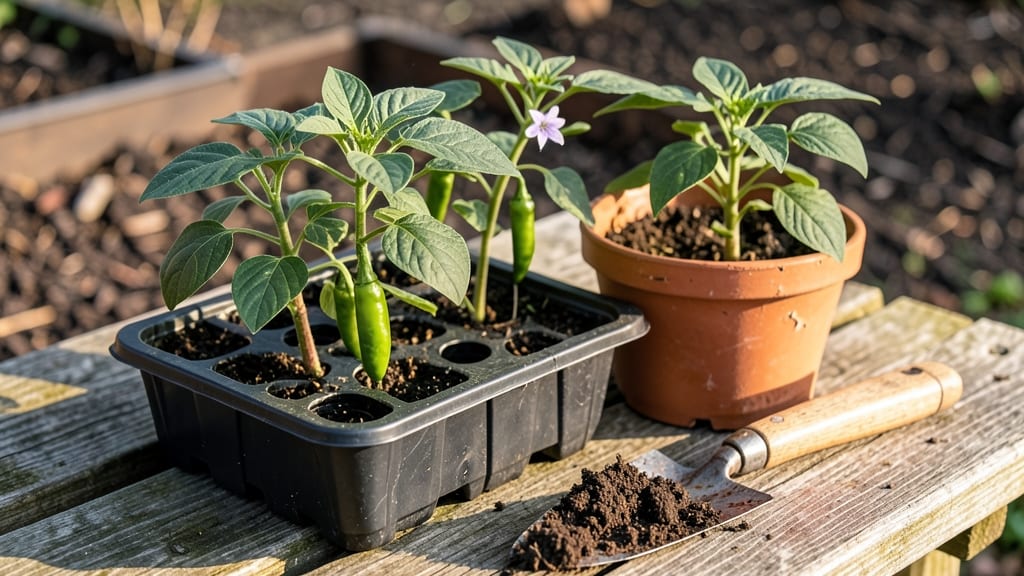
The best way to grow jalapeno peppers in small spaces is with vertical tricks—just look at my packed patio, where 20+ plants thrive and outyield my neighbor’s full garden. 🌱 The secret lies in choosing the right containers, training the plants upward, and keeping them happy with consistent care.
Start with well-draining potting mix and 5-gallon containers for each plant. Jalapeños love warmth, so wait until nighttime temps stay above 55°F before planting outdoors—or start seeds indoors 8-10 weeks before your last frost.
Place them in full sun (6-8 hours daily) and water at the soil level when the top inch feels dry. By mid-summer, you'll be harvesting bright green pods every few days. Prune suckers regularly to focus energy on fruit production, and fertilize lightly every 3-4 weeks.
The key is patience—jalapeños take 75-90 days to mature, but every bite of homegrown heat is worth the wait. This method works in containers, trellises, or even hanging baskets. Whether you're in zone 5 or 10, the same principles apply—just adjust planting times for your climate.
📚 In This Guide
- What you need
- Instructions
- Tips and common mistakes
- Wrapping up and next steps
What you need
- ● Jalapeño seeds or seedlings: 3–5 plants (choose heat-tolerant varieties like Early Jalapeño or Big Jim for best results).
- ● Growing containers: 5–10 gallon pots (1 per plant) or
- ● Vertical planters (e.g., fabric grow bags, tower gardens, or DIY pallet systems with 12"+ depth).
- ● High-quality potting mix: 10–20 lbs (look for a blend with 50–70% compost or add perlite for drainage).
- ● Slow-release fertilizer: 1 lb (10-10-10 or organic options like fish emulsion).
- ● Support structures: Cage or trellis (for indeterminate varieties).
- ● String or twine (for vertical training).
- ● Pruning shears: Small, sharp pair for trimming.
- ● Watering can or hose: With a gentle spray nozzle (jalapeños hate soggy roots!).
- ○ pH testing kit: Optional but helpful (ideal range: 6.0–7.0).
- ● Mulch: Straw or shredded leaves (to retain moisture).
- ● Gloves: Heavy-duty for handling spicy peppers!
- ● Sunlight: 6–8+ hours of direct sun daily (south-facing window or grow lights for indoors).
- ● Warmth: Soil temps above 65°F (18°C) (use a heat mat if starting seeds indoors).
- ● Space: At least 18" apart if growing in ground; vertical setups save space!
Step-by-Step instructions for growing jalapeños with vertical space hacks
Here’s how I maximize yield in small spaces—using proven techniques that work even in apartments.
🌱 Step 1: Start Seeds Indoors for a Head Start
Jalapeños need a 120-150 day growing season, so begin seeds indoors 8-10 weeks before your last frost date. Fill 2-3 inch deep seed trays with sterile seed-starting mix—never garden soil, which can harbor diseases. Moisten the mix until it’s damp like a wrung-out sponge, then press it down lightly to remove air pockets.
Plant 2-3 seeds per cell at a depth of ¼ inch, just below the soil surface. Cover lightly with a fine layer of mix, then mist gently with water until the surface looks evenly damp. Place the tray in a warm spot (75-85°F)—a seedling heat mat speeds germination to 7-10 days. Once sprouts appear, remove the heat mat and move them to a bright window or under grow lights for 14-16 hours daily. Without enough light, seedlings stretch weakly toward the window, and you’ll never recover their vigor.
🪴 Step 2: Build a Vertical Trellis System for Compact Growth
Jalapeños are vining plants that can grow 4-6 feet tall—perfect for vertical training. Use 4-foot tall bamboo stakes, wire cages, or a DIY wooden trellis to support plants. Install your trellis in a sunny spot (at least 6-8 hours of direct sun daily), as jalapeños need intense light to produce heat.
When seedlings develop 3-4 true leaves, transplant them into 5-gallon containers (one plant per pot) filled with well-draining potting mix. Bury the trellis or cage 1 inch deep next to each plant, then gently tie the main stem to the support with soft plant ties. Prune lower leaves up to 12 inches from the base to encourage upward growth and reduce disease risk from wet foliage. This vertical setup keeps plants off the ground, improves air circulation, and makes harvesting easier.
☀️ Step 3: Train Vines and Prune for Maximum Fruit Production
Once plants reach the top of the trellis (4-5 feet tall), pinch off the main stem to encourage lateral branches. These side shoots will produce more flowers and peppers. Prune aggressively—remove suckers (small shoots growing between the main stem and branches) to redirect energy to fruit production. I also trim back any leggy growth that’s stretching toward light gaps, ensuring the plant stays compact and bushy.
Fertilize every 2-3 weeks with a balanced organic fertilizer (10-10-10 or similar) once flowers appear. Jalapeños are heavy feeders, and you’ll see thicker stems and more blooms within a week of feeding. Watch for yellowing leaves—this signals overwatering or nutrient burn. Adjust watering to keep soil evenly moist but not soggy, and always water at the base to avoid fungal issues on leaves.
✂️ Step 4: Harvest and Prune for Continuous Yield
Jalapeños are ready to harvest 60-90 days after transplanting, when peppers reach 3-4 inches long and turn deep green (or red if you’re growing a ripe variety). Use clean pruning shears to snip peppers at the stem—never pull them, or you’ll damage the plant. Harvesting stimulates more fruit production, so check plants every 2-3 days during peak season.
After each harvest, prune spent flower clusters to encourage new blooms. I also remove any yellow or diseased leaves immediately to prevent spread. If your trellis gets crowded by late summer, trim back the oldest branches to 6-8 inches from the base. This rejuvenates the plant for a second flush of peppers in cooler weather. With proper care, a single jalapeño plant can yield 50-100 peppers in one season—even in a small space.
Tips & tricks for perfect vertical jalapeño growth
These game-changing techniques ensure you'll get the most peppers from every square foot—no matter how small your space.
Lighting is Everything: In Step 1, when moving seedlings to a bright window, I recommend supplementing with a LED grow light if natural light is insufficient. Position it just 6 inches above the plants for the full 14-16 hours daily to prevent leggy growth. I've seen seedlings stretch to 12 inches tall when deprived of proper light—this ruins their structural integrity forever. A simple 10-watt LED bulb solves this instantly.
Container Selection Matters: For Step 2, while 5-gallon containers work, I prefer 7-gallon fabric grow bags that allow roots to breathe better. The extra volume gives roots room to expand without becoming root-bound, which directly translates to more peppers. Make sure containers have drainage holes—jalapeños hate soggy roots. I've had plants in poorly draining pots produce 40% fewer peppers due to fungal issues.
Pruning Strategy for Maximum Yield: In Step 3, when you reach the top of your trellis, don't just pinch off the main stem—make a clean cut just above a leaf node. This encourages two lateral branches instead of one, doubling your potential fruit production. I also recommend pruning suckers every 10-14 days rather than waiting until they become large—smaller prunings heal faster and require less energy from the plant.
Harvesting Technique: For Step 4, use a pair of sharp, clean pruning shears and make your cuts at a 45-degree angle just above the pepper's stem. This prevents water from pooling on the cut stem, which reduces disease risk. I harvest every morning during peak season—peppers grow so fast that waiting even 24 hours means missing out on dozens of peppers over the season.
Pro Tips for Best Way To Grow Jalapeno Peppers
- These game-changing techniques ensure you'll get the most peppers from every square foot—no matter how small your space.
- Lighting is Everything: In Step 1, when moving seedlings to a bright window, I recommend supplementing with a LED grow light if natural light is insufficient.
- Container Selection Matters: For Step 2, while 5-gallon containers work, I prefer 7-gallon fabric grow bags that allow roots to breathe better.
Frequently asked questions
Got questions about growing jalapeños? You’re not alone—these spicy peppers can be tricky for beginners! Here are answers to the most common queries to help you grow a thriving vertical garden.
How long does it take for jalapeño plants to produce fruit?
With proper care, jalapeños typically start producing peppers 80–90 days after transplanting (or 60–70 days from seed if started indoors). For vertical gardens, ensure they get 6–8 hours of sunlight daily and consistent warmth (above 70°F) to speed up fruiting. Patience pays off—your first harvest will be worth the wait!
What’s the best temperature range for growing jalapeños?
Jalapeños thrive in warmth: ideal daytime temps are 70–90°F, while nights should stay above 55°F. If temps drop below 50°F, growth slows, and peppers may stop setting fruit. Use row covers or move pots indoors (near a sunny window) if frost threatens. Heat lovers!
Can I grow jalapeños in containers year-round?
Indoors? Yes! Place pots near a south-facing window or under grow lights (12–16 hours/day). Outdoors? In USDA Zones 9–11, they grow year-round. In cooler climates, start seeds indoors 8–10 weeks before last frost and transplant after soil warms. Vertical planters work great—just ensure drainage and support (like trellises).
Why are my jalapeño leaves turning yellow or spotted?
Yellow leaves often signal overwatering or nutrient deficiency. Spots? Likely fungal disease (like powdery mildew) or pests (aphids, spider mites). Fix it by:
- Adjusting watering (let soil dry slightly between waterings).
- Pruning affected leaves and spraying with neem oil or baking soda solution.
- Ensuring good airflow in your vertical setup.
Can I grow jalapeños alongside other plants?
Absolutely! Jalapeños love companions like basil, marigolds, or onions (they deter pests). Avoid planting near fennel or brassicas (like broccoli), as they compete for nutrients. In vertical gardens, interplant with trailing herbs (e.g., thyme, oregano) to maximize space and boost flavor!
Wrapping up and next steps
Growing jalapeño peppers in vertical spaces isn’t just clever—it’s a game-changer for maximizing your harvest! 🌱 With the right setup, you can enjoy bigger yields, healthier plants, and a thriving garden—even in small areas.
Whether you’re using trellises, cages, or tower gardens, the key is consistency: prune, support, and nurture your plants with love (and maybe a little sun ☀️).
Now that you’re armed with the best vertical hacks, it’s time to roll up your sleeves and get growing! Start with a single plant, experiment with your setup, and soon you’ll be reaping a bounty of fiery jalapeños. Happy planting—and may your peppers be plentiful! 🌶️✨