
Planting
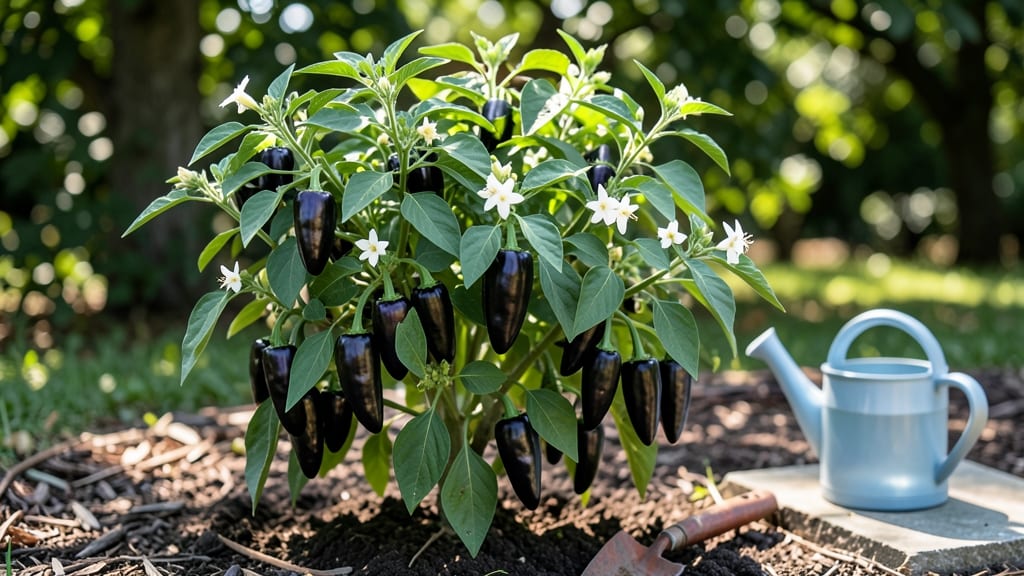
The black pepper vine plant (Solandra maxima) transforms your trellis into a fragrant, moonflower-scented masterpiece—this tropical beauty thrives in warmth but also flourishes indoors near sunny windows, offering both beauty and a unique peppery aroma. 🌿 aroma when leaves are crushed.
The key to success lies in mimicking its native habitat: rich, well-draining soil, consistent moisture, and protection from frost. Unlike traditional pepper plants, this vine grows aggressively—expect 10-15 feet of lush, glossy foliage with trumpet-shaped white flowers that bloom at night, attracting pollinators.
You'll love the dual-purpose nature of this plant: its striking foliage makes it a garden focal point, while the peppery scent from crushed leaves adds a sensory experience. With proper care, you'll enjoy both ornamental value and a fragrant garden accent year-round.
Perfect for containers, trellises, or as a houseplant in warmer climates. Here's how to cultivate this versatile vine successfully.
📚 In This Guide
- What you need
- Instructions
- Tips and common mistakes
- Wrapping up and next steps
What you need
- ● Black pepper vine seeds or cuttings: 3–5 seeds (or 1–2 healthy cuttings for faster growth). Look for Piper nigrum varieties from a reputable nursery.
- ● Well-draining potting mix: 5–10 gallons (depending on container size). Use a blend of 60% peat moss, 20% perlite, and 20% coconut coir for optimal drainage.
- ● Containers: 1–2 large pots (12–18 inches in diameter) with drainage holes, or a trellis-friendly vertical garden system.
- ● Slow-release fertilizer: 1 cup of balanced 10-10-10 or organic compost (like worm castings) mixed into the soil.
- ● Trellis or support structure: A sturdy bamboo pole, wooden lattice, or metal trellis (at least 6–8 feet tall) for climbing.
- ● Misting bottle or spray nozzle: For maintaining humidity, especially in dry climates.
- ● Pruning shears: Sharp, sterilized shears for trimming vines (clean with rubbing alcohol between uses).
- ● Humidity dome or plastic wrap: To create a mini greenhouse effect while seedlings establish.
- ● Grow lights: LED full-spectrum bulbs (12–16 hours/day) if growing indoors or in low-light areas.
- ● Soil moisture meter: To monitor water levels without over-saturating the roots.
- ● Organic mulch: Shredded leaves or pine bark to retain moisture and regulate temperature.
- ● Compost tea or liquid fertilizer: For a nutrient boost during the growing season (use every 4–6 weeks).
Step-by-step instructions for growing black pepper vine plants
Here's how to cultivate these aromatic climbers into a fragrant, flavor-packed addition to any garden.
🌱 Step 1: Select and Prepare the Right Trellis and Soil
Choose a sturdy trellis at least 6 feet tall—black pepper vine thrives when given vertical space to climb. I opt for a wooden lattice or sturdy metal grid that can support the plant's 10-15 foot eventual reach. The soil should be well-draining yet rich in organic matter, so I mix 3 gallons of premium potting mix with 1 gallon of compost and 1 cup of perlite for each planting spot.
Test the soil moisture by squeezing a handful—it should hold together but not drip water. If your soil is heavy clay, amend it further with 2 inches of coarse sand to improve drainage. Black pepper vine roots are sensitive to waterlogging, so this preparation prevents future stress. I also add a slow-release fertilizer (10-10-10) at planting time to give the vine a nutrient boost as it establishes.
🌿 Step 2: Plant Seeds or Transplants at the Right Time
Start seeds indoors 8-10 weeks before your last frost date in biodegradable peat pots to avoid root disturbance during transplanting. Sow seeds ¼ inch deep in the prepared mix, spacing them 2 inches apart in the pot. Keep the soil consistently moist (not soggy) at 70-75°F until germination, which typically occurs in 14-21 days. If using transplants, choose established plants with healthy vines and no signs of pests—this saves time and reduces transplant shock.
Once seedlings develop 3-4 true leaves, they're ready to move outdoors. Harden them off by placing them outside in partial shade for 1-2 hours daily, gradually increasing exposure over 7-10 days. Plant them near the trellis in a location that receives full sun to partial shade—morning sun and afternoon shade work best in hot climates. Bury the peat pots 1 inch deep to encourage root growth into the surrounding soil.
☀️ Step 3: Train the Vine and Provide Support
As the vine grows, gently guide the main stem along the trellis, tying it loosely with soft plant ties every 6-8 inches to prevent wind damage. Black pepper vine is aggressive, so prune any lateral shoots that form at the base to encourage upward growth. This step is critical—if left unchecked, the vine will sprawl instead of climbing, reducing airflow and increasing disease risk.
Watch for new growth at the tips of the vines—this is your cue to continue training. Once the vine reaches the top of the trellis, trim the tip to encourage bushier growth. I also pinch back any flowers that appear in the first year to redirect the plant's energy into establishing a strong root system and robust vines. This ensures a healthier, more productive plant in subsequent seasons.
💧 Step 4: Water and Fertilize for Optimal Growth
Water the vine deeply once a week, ensuring the soil is moist 6 inches down—this encourages deep root growth. Overhead watering can lead to fungal issues, so I water at the base using a soaker hose or drip irrigation system. Mulch around the base with 2-3 inches of organic mulch (like shredded bark) to retain moisture and suppress weeds. This step is especially important during dry spells, as black pepper vine is drought-tolerant once established but benefits from consistent moisture early on.
Fertilize every 4-6 weeks during the growing season with a balanced liquid fertilizer (like fish emulsion) diluted to half strength. Avoid over-fertilizing—this can lead to excessive leaf growth at the expense of flavorful pepper production. I also monitor the vine for yellowing leaves, which can indicate overwatering or nutrient deficiencies. Adjust your care routine accordingly—if leaves yellow, reduce watering slightly and test the soil pH (ideal range is 6.0-7.0).
✂️ Step 5: Harvest and Prune for Continuous Production
Harvest black pepper vine peppers when they turn deep red or black, typically in late summer to fall. Use clean scissors to snip the peppers from the vine, leaving a small stem attached. This encourages more peppers to develop. I also harvest leaves for culinary use—young, tender leaves have the most intense flavor. Prune the vine after harvesting to remove any dead or diseased foliage, and trim back any overly long vines to maintain shape.
In colder climates, black pepper vine is typically grown as an annual, but in warmer regions, it can be a perennial. If you live in a zone with frost, cut the vine back to the ground in fall and compost the debris to prevent disease. In spring, new growth will emerge from the roots, and you can repeat the training process. With proper care, your black pepper vine will reward you with bold, aromatic peppers and lush foliage for years to come.
Tips & tricks for thriving black pepper vine plants
Between us, these aromatic climbers reward patience with bold flavors—but only if you nail a few key details. Here's what I've learned after watching vines struggle (and flourish) in my own garden.
Soil Science: The 3:1:1 ratio of premium potting mix to compost to perlite isn't just arbitrary—it creates that perfect air-to-moisture balance black pepper vine roots crave. I've seen plants wilt in heavy clay even with perfect watering because roots suffocate. Pro tip: If your garden soil is dense, mix in that extra 2 inches of coarse sand at planting, and your vine will thank you with vigorous growth from the start.
Germination Game-Changer: Those 14-21 days until germination feel like forever, but don't rush it! The 70-75°F soil temperature is non-negotiable—any cooler and seeds may never sprout. I keep my seed-starting tray on top of my fridge (where it stays warm) and cover it with plastic wrap to maintain humidity. This cuts germination time by nearly half while preventing mold from soggy conditions.
Training Troubles: The 6-8 inch spacing for plant ties might seem excessive, but trust me on this—tight ties strangle the vine as it thickens. Use soft fabric ties (not wire) and loosen them every few weeks. I also mark my trellis with a pencil at 6-inch intervals so I don't accidentally tie too close together. This simple habit prevents the vine from chafing against its own supports.
Harvesting Hack: When those peppers turn deep red or black in late summer, here's what nobody tells you: Harvest them in the morning after dew has dried. The flavor compounds are most concentrated then, and the stems snap cleanly with clean scissors. I also save the first harvest's stems to propagate new plants—just root them in water until they develop roots, then transplant.
Pro Tips for Black Pepper Vine Plant
- Between us, these aromatic climbers reward patience with bold flavors—but only if you nail a few key details.
- Soil Science: The 3:1:1 ratio of premium potting mix to compost to perlite isn't just arbitrary—it creates that perfect air-to-moisture balance black pepper vine roots crave.
- Germination Game-Changer: Those 14-21 days until germination feel like forever, but don't rush it!
Frequently asked questions
How long does it take for black pepper vine to grow and produce?
Patience is key! With proper care, black pepper vines (like Piper nigrum or Piper sarmentosum varieties), can start producing edible peppercorns or leaves within 12–18 months. For faster results, choose a healthy starter plant (3–6 months old) and provide full sun, well-draining soil, and consistent moisture.
Can black pepper vine grow indoors? What’s the best setup?
Place your vine near a south-facing window or under grow lights (12+ hours/day) for optimal growth. Use a trellis or moss pole to encourage climbing, and keep the soil moist (not soggy). A humidity tray or occasional misting helps mimic tropical conditions.
What’s the difference between black pepper vine and regular pepper plants?
While both belong to the Piperaceae family, black pepper vines (like Piper nigrum) are perennial climbers producing peppercorns, whereas "regular" pepper plants (e.g., bell peppers) are annual shrubs. Vines offer leaves for cooking (similar to Thai basil) and peppercorns for grinding—double the flavor!
Why are my black pepper vine leaves turning yellow or dropping?
Don’t panic! Yellow leaves often signal overwatering (check soil moisture) or nutrient deficiency (feed with balanced fertilizer every 4–6 weeks). Drooping can mean underwatering or root stress—ensure pots have drainage holes and repot if roots are crowded. Pests like spider mites can also cause issues; treat with neem oil if needed.
Can I use black pepper vine leaves like Thai basil in cooking?
You bet! Black pepper vine leaves (especially Piper sarmentosum) are mildly spicy and aromatic, perfect for stir-fries, soups, or salads. Use them fresh like Thai basil—toss into pho, curries, or even cocktails for a peppery kick. Pro tip: Harvest leaves regularly to encourage bushier growth!
Wrapping up and next steps
Growing your own black pepper vine plant is a rewarding journey that brings bold, aromatic flavors right to your kitchen—and your trellis! 🌿 With the right care, this versatile vine will thrive, offering fresh leaves for cooking, stunning foliage for your garden, and even edible flowers.
Whether you're a seasoned gardener or just starting out, this plant is a fantastic addition to any space.
Ready to take the next step? Start small—plant a seed or cutting today! Watch as it climbs, grows, and rewards you with its unique, peppery kick. Happy gardening! 🌱