
Vegetables
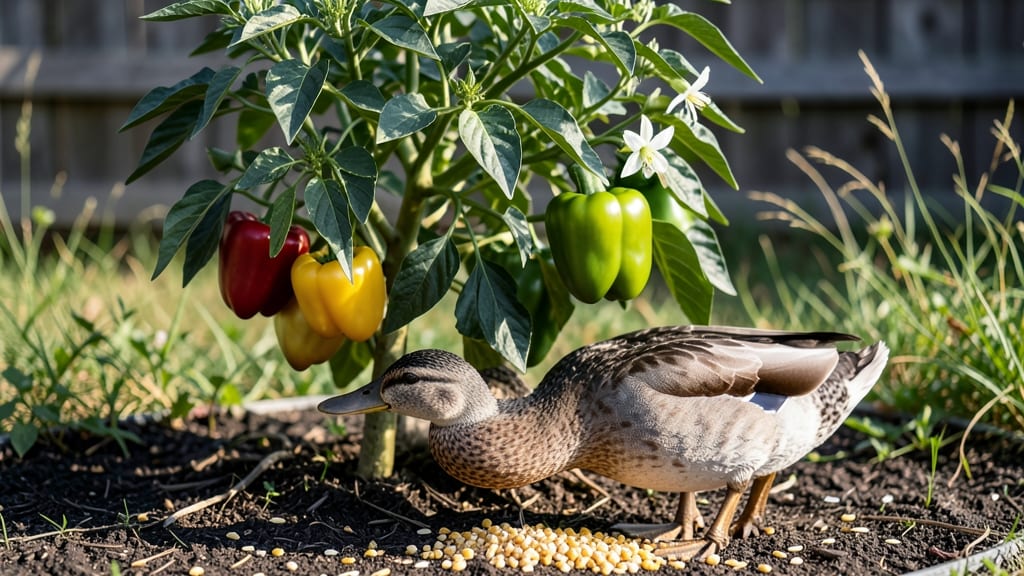
Yes, ducks can have bell peppers in moderation, as they're non-toxic and packed with vitamins A and C. Always remove seeds and stems first, and serve them raw or lightly cooked without seasoning. Avoid feeding spoiled or moldy peppers.
Bell peppers make a great occasional treat for ducks because they're hydrating and rich in antioxidants. 🌿 The vibrant colors—red, yellow, or green—indicate different nutrient levels, with red peppers offering the most vitamin C. I recommend starting with small pieces (about the size of a quarter) to gauge their reaction, as some ducks may prefer softer textures.
Always wash peppers thoroughly and cut them into manageable chunks to prevent choking hazards.
For best results, serve raw peppers when possible since cooking can destroy some heat-sensitive vitamins. If you're introducing them to your flock for the first time, monitor their behavior for any signs of digestive upset, like loose droppings or lethargy.
This veggie is a fantastic alternative to processed treats, offering natural nutrients without the additives.
💡 In This Article
- Nutritional Benefits of Bell Peppers for Ducks
- Safe Bell Pepper Feeding Guidelines for Ducks
Nutritional benefits of bell peppers for ducks
Bell peppers are a nutritional powerhouse for ducks, offering a unique blend of vitamins and antioxidants that support their health. The vibrant red variety packs the most vitamin C—about 190 milligrams per 100 grams, which is nearly double the amount in green peppers.
This vitamin boosts their immune system, helping ducks fend off infections and recover faster from illnesses. Yellow peppers also provide significant vitamin C, though slightly less than red, while green peppers contain more vitamin K, which aids in blood clotting and bone health.
Beyond vitamins, bell peppers contribute to hydration—a critical factor for ducks, especially in hot climates. Their high water content (about 92%) helps maintain proper electrolyte balance, preventing dehydration.
The fiber in bell peppers also promotes healthy digestion, preventing issues like constipation that can arise from a diet too heavy in grains or processed foods. 🌈 Compared to other veggies like lettuce or carrots, bell peppers offer a more concentrated nutrient profile without the risk of excessive sugars or starches.
One standout benefit is the presence of antioxidants like quercetin and lutein, which reduce oxidative stress in duck cells. These compounds help combat inflammation and may even support joint health, particularly for older ducks or those with mobility issues.
The natural sweetness of bell peppers also makes them a palatable alternative to leafy greens, encouraging ducks to eat a more varied diet. For example, a 1-inch slice of red pepper provides roughly 10% of a duck's daily vitamin C needs, making it an efficient snack.
However, the nutritional value varies by color due to differences in ripeness and storage time. Red peppers, being fully ripe, contain the highest levels of vitamin C and beta-carotene, which converts to vitamin A—a key nutrient for feather health and vision.
Green peppers, harvested earlier, retain more vitamin K but lack the same antioxidant depth. 💫 This means offering a mix of colors ensures your ducks get a broader spectrum of nutrients, similar to how humans benefit from eating a rainbow of vegetables.
For duck owners, this means bell peppers aren’t just a treat—they’re a functional food. The combination of hydration, fiber, and vitamins makes them an ideal occasional addition to a balanced diet, especially during molting seasons when ducks need extra nutrients for feather regrowth.
Just be mindful of portion sizes, as even nutritious foods can cause digestive upset if overfed.