
Vegetables
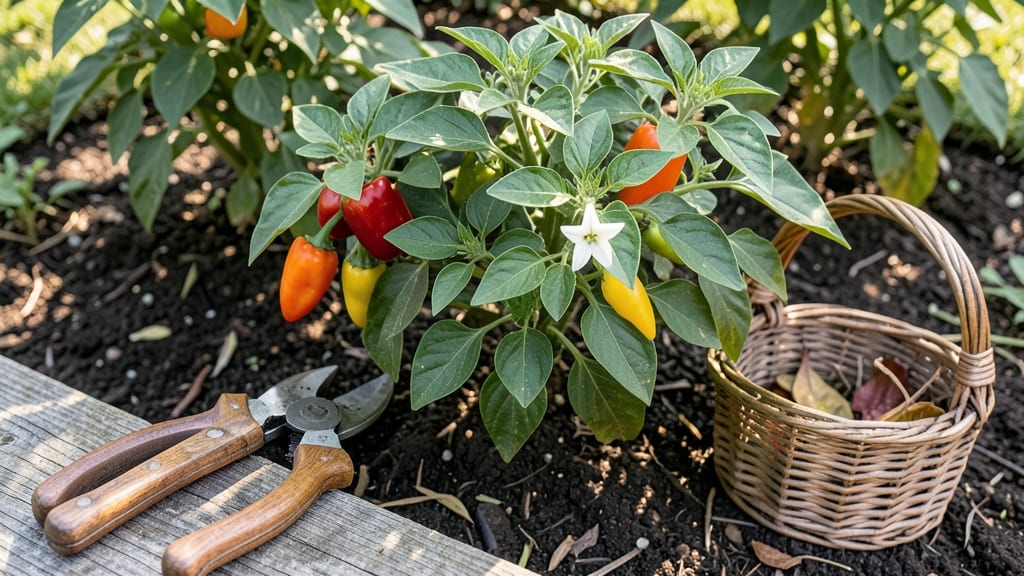
Yes, ornamental peppers can be eaten, but their spice levels range from mild to dangerously hot depending on the variety. Always verify edibility first—some are grown solely for decoration and may contain pesticides or artificial dyes. Harvest only when fully ripe to ensure both flavor and safety.
Ornamental peppers often look stunning but serve double duty in the kitchen—if you choose the right ones. 🌶️ The key is identifying edible varieties like Capsicum annuum (mild) or Capsicum chinense (hotter), which are commonly grown for both beauty and flavor.
Many garden centers sell non-edible types coated in toxic dyes or treated with harsh chemicals, so always check the plant's origin or consult a local nursery before eating. When ripe, these peppers pack vibrant flavors that work beautifully in salsas, pickled dishes, or even as spicy garnishes for cocktails.
For safe consumption, start with small amounts—especially if you're unfamiliar with the variety's heat level. Some ornamental peppers can reach 50,000 Scoville units or more, which is far hotter than jalapeños. If you're unsure, try a tiny piece first and wait 15-30 minutes to rule out any adverse reactions.
When fully ripe, their sweetness and complexity make them a unique addition to any meal, just like their culinary counterparts.
💡 In This Article
- Ornamental Pepper Spice Levels and Edibility Risks
- Creative Culinary Uses for Edible Ornamental Peppers
Ornamental pepper spice levels and edibility risks
The spice intensity in ornamental peppers stems from their botanical classification, primarily within the Capsicum genus. Varieties like Capsicum annuum (e.g., 'Black Pearl' or 'Jester') typically range from 0-5,000 Scoville units, comparable to bell peppers or mild jalapeños.
In contrast, Capsicum chinense hybrids (e.g., 'Ají Charapita') can soar to 50,000-100,000 Scoville units, rivaling habaneros. The heat comes from capsaicin concentration, which peaks as peppers mature—so color alone (e.g., deep red, purple) isn't always a reliable indicator of spice level.
Edibility risks arise from three key factors: plant treatment, additives, and misidentification. Many store-bought ornamental peppers are coated in non-toxic but inedible dyes or treated with systemic pesticides (like neonicotinoids) that aren't safe for human consumption.
Even if the pepper itself is edible, these coatings can cause stomach upset or allergic reactions. Always rinse thoroughly and check for labels specifying "culinary use." 🌶️ Another red flag is unnatural glossiness or waxy textures—these often signal artificial treatments.
To identify safe varieties, focus on plant markers: edible ornamental peppers usually grow on Capsicum annuum or Capsicum frutescens plants (like shishito or Thai chili relatives). Look for organic certification or ask nurseries about pesticide-free growing methods.
When harvesting, cut peppers at the stem (not the blossom end) to preserve flavor oils. For first-timers, start with purple or yellow varieties, which tend to be milder than red or orange ones—though exceptions exist!
Spice levels aren't the only variable—ripeness dramatically affects flavor and safety. Green ornamental peppers often taste bitter and underripe, while fully mature ones develop complex sweetness with fruity or floral notes.
For example, a purple 'Black Beauty' pepper at 75% ripeness might have mild heat (2,500 SHU), but at full maturity, it can double in spice while gaining smoky undertones. Always let peppers ripen on the vine or at room temperature—never refrigerate before eating.
What most people overlook is the post-harvest handling that can turn an edible pepper toxic. Peppers stored in plastic bags or exposed to ethylene gas (like apples emit) can develop harmful compounds. For long-term storage, freeze whole or slice into 1-inch pieces on a tray before bagging to prevent mold.
When cooking, high heat (400°F+) breaks down capsaicin, reducing perceived spice—perfect for roasting or sautéing.
Pro tip: Create a "spice test" for unknown varieties. Cut a pepper cross-section and rub a tiny piece on your tongue, then rinse with milk or yogurt (casein proteins neutralize capsaicin). If you feel burning for more than 10 minutes, it's likely a Capsicum chinense hybrid—proceed with caution! 🔥