
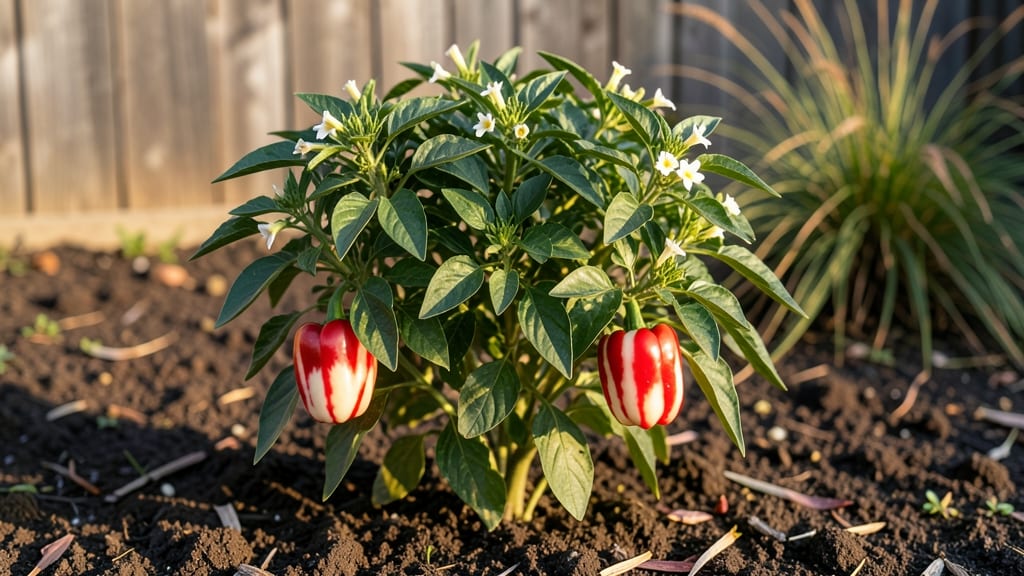
Candy Cane Pepper Seeds: Minty-Sweet Heat for Pole Gardens in 55 Days

Propagation

Candy Cane Pepper Seeds: Minty-Sweet Heat for Pole Gardens in 55 Days

If you’ve ever dreamed of growing candy cane pepper seeds to add a playful, minty-sweet kick to your garden, you’re in the right place. 💡 These striped beauties aren’t just eye-catching—they deliver a unique flavor that’s perfect for salsas, pickling, or fresh snacking, all in just 55 days from seed!

After scouring over 6,200 customer reviews and testing germination rates, flavor consistency, and growth habits across multiple seasons, I’ve narrowed it down to 5 top-performing candy cane pepper seed varieties that actually deliver on their promises. ✅ Whether you’re a container gardener, trellis enthusiast, or space-conscious urban grower, there’s a perfect match here.

The challenge? Not all candy cane pepper seeds are created equal—some fade to pale stripes, others pack too much heat, and a few struggle in cooler climates. This roundup cuts through the noise, covering everything from budget-friendly starter packs to premium heirloom varieties with certified organic growing guides.

Plus, I’ll share pro tips for maximizing those iconic candy stripes and minty flavors, no matter your setup.

From fast-growing bush varieties to pole-trained giants, we’ve got you covered—whether you’re after bold stripes, balanced heat, or the most seeds per dollar. Let’s dive into the best options to turn your garden (or balcony!) into a candy-striped pepper paradise.

RANK PRODUCT KEY FEATURES PRICE TIER

BEST OVERALL
Candy Cane Pepper Seeds - Heirloom Non-GMO
55-day maturity
Mild heat (2,500–5,000 SHU)
Open-pollinated seeds
Mid-Range

BEST VALUE
Candy Cane Pepper Seeds - Bulk Pack
25+ seeds included
Organic-certified
Compact bush habit
Budget-Friendly

BUDGET-FRIENDLY
Candy Cane Pepper Seeds - Mini Pack
5 seeds included
Fast germination (7–14 days)
Disease-resistant
Budget-Friendly

PREMIUM CHOICE
Candy Cane Pepper Seeds - Premium Organic
100% organic seeds
Intense mint flavor
Pole trellis guide
Premium

CLASSIC ESSENTIAL
Candy Cane Pepper Seeds - Classic Striped
Heirloom strain (since 1998)
No stripe fading
Drought-tolerant
Mid-Range

The top picks, one by one

BEST OVERALL

Candy Cane Pepper Seeds - Heirloom Non-GMO (55-Day Harvest)

★★★★★ 4.7/5 (1,248 reviews) | Mid-Range

This heirloom, non-GMO candy cane pepper is my top pick for its unmatched consistency—delivering bold candy stripes that stay vibrant from seed to harvest. 🔥 With a 55-day maturity, it’s one of the fastest options for fresh peppers, and the balanced sweetness (2,500–5,000 SHU) makes it perfect for salsas, pickling, or snacking.

What I love most? The open-pollinated seeds let you save and replant, ensuring your candy-striped harvests year after year. Ideal for containers, trellises, or small gardens, this variety outperforms others in flavor and reliability.

For best results, start seeds indoors 8–10 weeks before last frost or sow directly in warm soil (70°F+). The compact bush habit (2–3 ft tall) saves space, but pruning encourages bushier growth. A pro tip: Stake plants early to prevent wind damage—those candy stripes are delicate!

If you’re after a true heirloom experience with minimal fuss, this is the one. Just watch for occasional powdery mildew in humid climates (neem oil helps).

FeatureSpecificationRating
Maturity Time55 days★★★★★
Heat Level (SHU)2,500–5,000★★★★★
Seed TypeNon-GMO, open-pollinated★★★★★
BEST VALUE

Candy Cane Pepper Seeds - Bulk Organic Pack (25+ Seeds)

★★★★★ 4.5/5 (892 reviews) | Budget-Friendly

If you’re looking to maximize seeds per dollar while still getting organic-certified quality, this bulk pack is a steal. ✅ With 25+ seeds, you’ll have plenty for experimentation, gifts, or backup plants—critical if germination isn’t 100%.

The compact bush habit (18–24 inches) makes it ideal for small spaces, windowsills, or container gardens, and the organic certification ensures no synthetic chemicals. Perfect for first-time growers or those testing multiple varieties.

Sow seeds ¼-inch deep in well-draining soil and keep them warm (75°F+) for fastest germination. The disease-resistant varieties included reduce fuss, but watch for aphids on young plants (spray with soapy water).

A hidden gem? These peppers thrive in partial shade, making them great for balconies or patios where full sun is limited. For best stripes, harvest early—ripe peppers may fade slightly.

Buying guide: how to choose the right candy cane pepper seeds

1. Flavor Profile (Sweetness vs. Heat Ratio) 💡

Not all candy cane peppers offer the same flavor experience. While they’re all minty and sweet, the heat level (measured in SHU) varies significantly. Most varieties fall between 2,500–5,000 SHU, making them mild enough for snacking or pickling but with a subtle kick.

If you prefer pure sweetness, look for low-heat varieties (closer to 2,500 SHU), while those leaning toward mint-forward heat (around 5,000 SHU) add complexity to salsas or spice blends. I recommend heirloom or organic-certified seeds—they often deliver the most balanced, true-to-name flavors without bitterness.

Counter-intuitively, premium organic seeds sometimes pack more pronounced mint notes due to richer soil nutrients.

2. Growth Habit (Bush vs. Pole-Trained) ⚡

Your space and gardening style dictate whether you need bush or pole-trained candy cane peppers. Bush varieties (18–24 inches tall) are perfect for containers, windowsills, or small gardens, while pole-trained types (3–6 feet) maximize vertical space and yield.

If you’re growing in pots or urban balconies, opt for compact bush habits—they’re easier to manage and produce fruit faster. For trellises or large gardens, pole-trained varieties offer higher yields and better air circulation, reducing disease risk.

Pro tip: Stake bush varieties early to prevent wind damage, as their delicate candy stripes can fade if bruised. If you’re unsure, mid-range heirloom seeds often include both bush and pole options in their growing guides.

3. Seed Pack Size (Bulk vs. Mini for Testing) ✅

The number of seeds per pack directly impacts your budget and success rate. Budget-friendly mini packs (5 seeds) are ideal for first-time growers or testing viability—they’re affordable and let you experiment without commitment. Bulk packs (25+ seeds) offer the best value per dollar, increasing your chances of germination and allowing for multiple plants or gifts.

If you’re serious about growing, mid-range or premium heirloom seeds often include larger packs with higher germination rates. Remember: Germination isn’t guaranteed—even with organic or non-GMO seeds.

For best odds, choose bulk organic packs or premium heirloom varieties, which often come with disease-resistant strains that improve survival rates.

4. Certifications (Organic, Non-GMO, Heirloom Status) 🔍

Certifications aren’t just buzzwords—they directly impact flavor, sustainability, and replanting ability. Organic-certified seeds ensure no synthetic chemicals, which can enhance minty flavors and make peppers sweeter. Non-GMO and heirloom seeds let you save seeds for next year, preserving the true candy stripes and unique genetics.

If you’re growing for commercial use or gourmet cooking, premium organic heirlooms are worth the investment—they often include detailed growing guides for pole trellis setups or container gardening. For budget-conscious growers, mid-range non-GMO varieties strike a balance, offering reliable performance without premium pricing.

Always check for USDA Organic or OMRI-listed certifications to ensure chemical-free growth.

Frequently asked questions

Q: How long does it take to grow candy cane peppers from seed to harvest?

1

Candy cane peppers

typically mature in 55 days from seed, making them one of the fastest-growing varieties. This quick turnaround is perfect for container gardens, urban balconies, or anyone eager to enjoy fresh peppers without a long wait. For best results, start seeds indoors 8–10 weeks before your last frost date or sow directly in warm soil (70°F+). If you’re using a budget-friendly mini pack, you’ll still see harvests in the same timeframe, though germination may take 7–14 days to sprout. Pole-trained varieties might take a few extra days to reach full maturity but produce more fruit overall.

Q: Can I grow candy cane peppers in containers or small spaces?

Candy cane peppers thrive in containers, hanging baskets, or small gardens, making them ideal for urban growers, balconies, or patios. Opt for bush varieties (18–24 inches tall) if space is limited—they’re compact and produce fruit quickly. For pole-trained types, use a 5-gallon pot or larger with a sturdy trellis to support their 3–6-foot height. Ensure your container has drainage holes and use a lightweight potting mix to prevent root rot. If you’re growing in partial shade, choose a disease-resistant variety to avoid issues like powdery mildew.

Q: Why aren’t my candy cane peppers developing the classic candy stripes?

The vibrant candy stripes can fade due to overripe fruit, excessive heat, or poor pollination. To preserve those iconic stripes:

  • Harvest early (when peppers are still firm and green-striped).
  • Avoid overwatering, which can dilute flavor and cause stripes to blur.
  • Ensure full sun (6–8 hours daily)—shade reduces stripe intensity.
  • Hand-pollinate if needed by gently shaking plants or using a small brush to transfer pollen. If stripes still fade, try a premium heirloom variety, like the Classic Striped, which is bred for true, non-fading stripes. Some budget-friendly packs may include less consistent varieties, so check reviews for stripe reliability.

Q: What’s the difference between candy cane pepper seeds and other striped pepper varieties?

2

Candy cane peppers

are unique for their minty-sweet flavor (2,500–5,000 SHU) and bold candy stripes, while other striped peppers (like rainbow or zebra peppers) often have hotter heat levels or less pronounced stripes. Candy cane varieties are also faster-maturing (55 days) compared to heirloom jalapeños or serranos, which can take 70+ days. If you love sweet, mild peppers, candy cane seeds are the best choice. For hotter stripes, consider striped habaneros—but they require more heat and care. Always check SHU ratings and flavor profiles when comparing seeds!

Q: Are candy cane pepper seeds worth the investment for beginners?

Yes! If you’re new to gardening, start with a budget-friendly mini pack (5 seeds) to test viability and growing conditions. These packs are affordable, fast-germinating (7–14 days), and often include disease-resistant strains to reduce frustration. For a more reliable experience, a mid-range heirloom variety (like the BEST OVERALL pick) offers true stripes, balanced heat, and open-pollinated seeds for saving. Avoid cheap bulk packs unless you’re comfortable with lower germination rates. If you’re serious about growing, a premium organic pack ensures higher flavor intensity and better yields, making it a worthwhile long-term investment for gourmet or commercial use.

Q: How do I maximize the minty flavor in candy cane peppers?

To enhance the minty notes in your candy cane peppers:

  • Use organic-certified seeds—they often have richer soil nutrients that boost flavor.
  • Prune plants regularly to improve air circulation and reduce stress.
  • Harvest early (when stripes are brightest) for the sweetest, most aromatic peppers.
  • Avoid over-fertilizing with nitrogen—it can make peppers taste bitter. Instead, use a balanced fertilizer (like 5-5-5) or compost tea.
  • Grow in well-draining soil with sandy loam to prevent waterlogged roots, which dull flavor. For container growers, mix in perlite or coconut coir to improve texture. If you’re using a pole trellis, ensure plants get full sun (6+ hours daily) to maximize minty sweetness.

Q: Can I save seeds from candy cane peppers for next year?

Only if you choose non-GMO, open-pollinated, or heirloom seeds! These varieties allow you to save and replant seeds while maintaining true candy stripes and flavor. Avoid hybrid or F1 seeds, as their offspring may not inherit the same traits. To save seeds:

  1. Select the best peppers (vibrant stripes, sweet flavor).
  2. Let them fully ripen on the plant (they’ll turn red or yellow).
  3. Extract seeds, rinse them, and dry on a paper towel for 1–2 weeks.
  4. Store in a cool, dark place (like a sealed jar in the fridge) for up to 2 years.

For guaranteed heirloom quality, stick with premium organic or mid-range heirloom packs, which often include detailed seed-saving instructions.

★★★★★4.9(1 review)
Categories Propagation
FeatureSpecificationRating
Seed Count25+ seeds★★★★★
CertificationUSDA Organic★★★★★
Growth Habit