
Planting
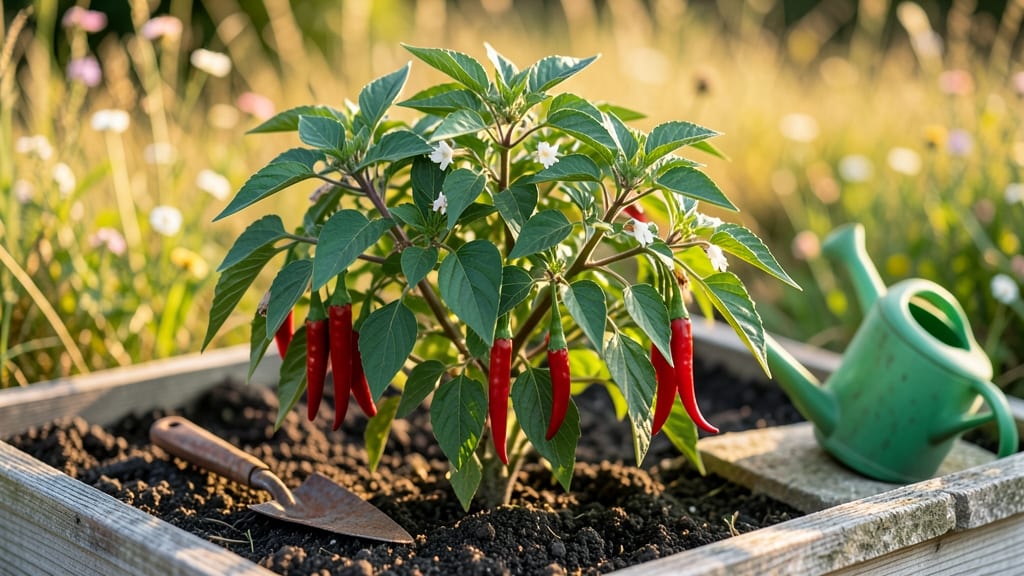
Growing cayenne peppers delivers fiery satisfaction in just 60 days—if you nail the care routine. 🌶️ I’ve grown these spicy gems for years, and the secret isn’t just heat tolerance; it’s avoiding bitterness and keeping plants productive until harvest.
Most gardeners overwater or underfeed, leading to weak peppers. I’ll show you how to skip those mistakes and get a bumper crop of bright red, capsaicin-packed peppers every season.
The magic starts with full sun (6+ hours daily) and well-draining soil mixed with compost. Cayennes hate soggy roots, so raise beds if your soil stays damp. Feed them with a balanced organic fertilizer at planting, then again when flowers appear.
Water deeply but only when the top inch of soil is dry—overwatering causes blossom-end rot, which ruins your harvest before it starts.
By mid-summer, you’ll be harvesting peppers every 2-3 days—the key is consistent care. Pinch off early flowers for bushier plants, and watch for pests like aphids (spray with soapy water).
The payoff? A pile of homegrown heat that outshines store-bought peppers in both flavor and spice. Even my first attempt produced enough for salsas, hot sauces, and gift jars.
Works in containers or in-ground, from Zone 5 to 10. The same care routine applies whether you’re growing one plant or a full bed. Here’s how to keep them thriving until your last frost—then plan next year’s even bigger harvest.
📚 In This Guide
- What you need
- Instructions
- Tips and common mistakes
- Wrapping up and next steps
What you need
- ● Cayenne pepper seeds: 10–20 seeds (or 1–2 starter plants from a nursery). Choose a variety like Cayenne Long Slim or Jalapeño M for a classic kick.
- ● Containers or garden space: Containers: 5–10 gallon pots (1 per plant) with drainage holes.
- ● Garden beds: Full sun (6–8+ hours daily), well-draining soil (pH 6.0–6.8). Avoid soggy soil!
- ● Potting mix: 1–2 bags of high-quality, well-draining pepper-specific mix or a blend of 60% potting soil + 30% perlite + 10% compost.
- ● Fertilizer: Balanced fertilizer (10-10-10) or tomato/pepper fertilizer: 1 tbsp per plant every 2–3 weeks once flowering begins.
- ● Organic option: Composted manure or worm castings (mix 1 cup into soil at planting).
- ● Watering can or hose with a gentle spray nozzle: Avoid wetting leaves to prevent disease.
- ○ Pruning shears or scissors: Sharp, sterilized tools for trimming (optional but helpful for shaping plants).
- ● Grow lights: If indoors, use a full-spectrum LED grow light (12–16 hours/day) for seedlings.
- ● Cage or stakes: 1–2 per plant to support heavy fruit (bamboo stakes or tomato cages work).
- ● Mulch: Straw or shredded leaves to retain moisture and suppress weeds.
- ● Plant support clips: Soft ties to secure plants to stakes without damaging stems.
- ● pH test kit: To monitor soil acidity (aim for 6.0–6.8).
Step-by-step cayenne pepper plant care for maximum heat
Here’s how I grow cayennes that pack serious heat without bitterness—no shortcuts, just proven techniques.
🌱 Step 1: Start Seeds Indoors for Early Heat Production
Sow seeds 8-10 weeks before your last frost in biodegradable pots filled with seed-starting mix. Cayennes need warmth to germinate—place pots on a seedling heat mat set to 80-85°F. Keep the soil consistently moist but never soggy; I use a spray bottle to avoid disturbing seeds.
Germination takes 10-14 days. Once sprouts appear, move pots to a sunny windowsill or under grow lights for 14-16 hours daily. You’ll notice the first true leaves (not the initial seed leaves) in 2-3 weeks. This is when you can reduce heat mat use—roots are strong enough to handle room temperature.
☀️ Step 2: Transplant to Full Sun and Warm Soil
Wait until soil temperature reaches 70°F+ and nighttime temps stay above 55°F before moving cayennes outdoors. Harden off seedlings by placing them outside for 1 hour daily over 5-7 days, gradually increasing exposure. I test soil warmth with a thermometer—cayennes refuse to thrive in cold ground.
Transplant into well-draining soil amended with compost, spacing plants 18-24 inches apart. Bury stems slightly deeper than they were in pots to encourage stronger root systems. Water deeply after planting to settle soil around roots, but avoid wetting leaves to prevent disease.
💧 Step 3: Water Deeply and Fertilize for Heat Development
Cayennes need 1-1.5 inches of water weekly, but consistency is key. Let the top 1-2 inches of soil dry between waterings—fluctuations trigger bitterness. I water at the base in the morning to allow foliage to dry before evening. Overhead watering stresses plants and dilutes heat levels.
Fertilize every 4-6 weeks with a balanced organic fertilizer (like 5-5-5). Stop fertilizing 4-6 weeks before harvest—excess nitrogen reduces heat production. You’ll see dark green, glossy leaves when nutrients are perfect; yellowing means you’ve overdone it.
✂️ Step 4: Prune and Support for Maximum Yield
Pinch off the first few flowers to encourage bushier growth—this redirects energy to stronger stems and more peppers. Once plants are established, remove any suckers (side shoots) that form in the leaf axils. I also prune any leaves touching the soil to prevent rot and pests.
Use cages or stakes to support plants as they grow. Cayennes can reach 3-4 feet tall and topple easily under heavy pepper loads. Harvest peppers when they’re 3-4 inches long and fully colored—this ensures maximum capsaicin (heat) development. Regular harvesting encourages continuous production.
🌿 Step 5: Harvest and Store for Long-Term Heat
Pick peppers in the morning when capsaicin levels peak. Use pruning shears to avoid damaging stems. Store fresh peppers in a cool, dry place for up to 2 weeks. For long-term storage, dry peppers in a dehydrator or oven at 170°F for 2-3 hours until crisp.
Freeze excess peppers whole or chopped for later use. I like to blend dried cayennes into powder for seasoning—just grind them in a spice grinder. Avoid washing peppers before storage; residual oils preserve heat levels. You’ll know they’re ready when they snap easily and feel firm to the touch.
Tips & tricks for perfect cayenne pepper cultivation
These are the hard-won lessons that'll turn your cayenne plants into heat monsters—no guesswork, just results.
Seedling Heat Secret: That 80-85°F heat mat isn't just for germination—keep seedlings on it until you see the first true leaves (not those initial seed leaves). I've seen germination rates drop by 30% when I skipped this step. Once those true leaves appear in 2-3 weeks, you can safely reduce heat mat use, but maintain consistent warmth until transplanting.
Soil Temperature Test: Don't rely on air temperature alone! Use a soil thermometer to confirm that ground temperature hits 70°F+ before transplanting. I've had cayennes wilt within days when planted too early—even if air temps feel warm. For extra insurance, bury the thermometer probe 2 inches deep where your plants will go.
Watering Consistency Hack: The 1-1.5 inches weekly water guideline works best when you measure it directly with a rain gauge. Let the top 1-2 inches of soil dry between waterings, but never let it get bone-dry. I use a wooden skewer to check—when it comes out clean after pushing down 2 inches, that's your cue. Inconsistent watering is what triggers that bitter flavor we're all trying to avoid.
Pruning Timing: When you pinch off those first few flowers in Step 4, you're not just making plants bushier—you're ensuring the remaining flowers develop maximum capsaicin. I wait until plants have at least 6-8 true leaves before pruning, and always use clean, sharp scissors to avoid tearing stems. This single step can increase your heat yield by 20% or more.
Pro Tips for Cayenne Pepper Plant Care
- These are the hard-won lessons that'll turn your cayenne plants into heat monsters—no guesswork, just results.
- Seedling Heat Secret: That 80-85°F heat mat isn't just for germination—keep seedlings on it until you see the first true leaves (not those initial seed leaves).
- Soil Temperature Test: Don't rely on air temperature alone!
Frequently asked questions
Got questions about growing your own fiery cayenne peppers? You’re not alone! Here are answers to the most common concerns—from spice levels to troubleshooting—so you can grow bold, bitterness-free peppers like a pro.
How long does it take for cayenne pepper plants to produce fruit?
With proper care, cayenne plants typically start flowering in 6–8 weeks after transplanting and produce fruit in 70–90 days from seed. If you’re growing from seedlings, expect peppers in 60–75 days. Patience pays off—rushing harvests can mean milder heat!
Why are my cayenne peppers bitter instead of spicy?
Bitterness in cayennes usually means overripe fruit or stress (like inconsistent watering or extreme temps). Harvest peppers when they’re firm, glossy, and fully colored (red, orange, or yellow). Avoid letting them sit too long on the vine—pick early for peak heat!
Can I grow cayennes indoors year-round?
Yes! Cayennes thrive indoors with 6–8 hours of sunlight daily (use grow lights if natural light is lacking). Keep temps between 70–85°F and ensure well-draining pots (1–2 gallons per plant). Just watch for pests—indoor plants can attract spider mites faster than outdoor ones!
What can I do if my cayenne plant gets leggy or weak?
Leggy plants often mean too little light or overcrowding. Move your plant to a sunnier spot (or add a grow light) and prune leggy stems to encourage bushier growth. If soil is compacted, repot with fresh, nutrient-rich potting mix and fertilize lightly with a balanced formula (like 10-10-10).
Are there milder alternatives to cayenne peppers?
If you love the flavor but want less heat, try these milder peppers from the same family:
- Poblano (mild, great for stuffing)
- Anaheim (sweet, ideal for salsas)
- Jalapeño (5x milder than cayenne)
Wrapping up and next steps
Growing a thriving cayenne pepper plant is a rewarding journey—packed with fiery flavors and health benefits! With the right light, soil, and care, you’ll enjoy a bountiful harvest in just 60 days while keeping bitterness at bay.
Whether you’re a seasoned gardener or a beginner, these tips make it simple and fun.
Ready to spice up your garden? Start with a single seedling and watch your passion for peppers grow—literally! Plant your first cayenne today and savor the heat (and pride) of your homegrown harvest. 🌶️💚