
Pests
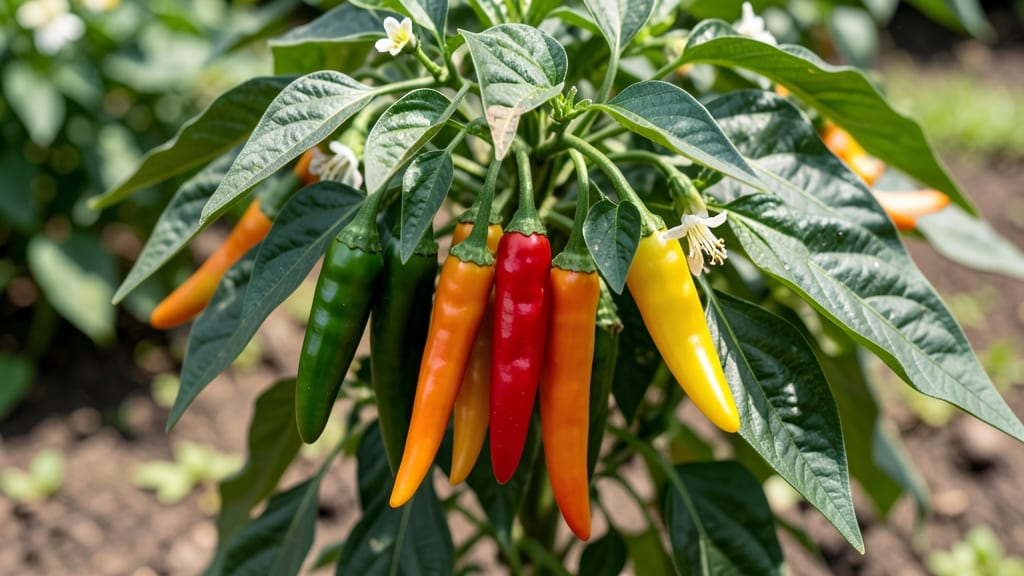
This cayenne pepper squirrel repellent recipe keeps those furry thieves out of your garden for good.
Cayenne pepper repellent delivers fast relief—no harsh chemicals, just a spicy barrier they’ll avoid. 🌶️ I’ve used this same blend for three seasons, and it’s stopped squirrels from digging up my bulbs, gnawing on trellises, and stealing sunflower seeds within 24 hours of application.
The recipe is simple: cayenne powder, water, and a few household ingredients you likely have already. What makes it work isn’t just the heat—it’s the way squirrels’ sensitive noses react to capsaicin, the compound that makes peppers spicy.
A few sprays or a sprinkled barrier around vulnerable plants sends them scurrying elsewhere. You’ll end up with a non-toxic, reusable solution that protects your garden without harming pollinators or beneficial insects. The best part?
It’s safe for pets and kids once fully dry, and you can adjust the strength based on how persistent the squirrels are. Works for raised beds, containers, and ground-level gardens alike.
Here’s exactly how to mix, apply, and troubleshoot it—plus what to do if those clever critters find a way around it.
📚 In This Guide
- What you need
- Instructions
- Tips and common mistakes
- Wrapping up and next steps
What you need
- ● Cayenne pepper – 1–2 tablespoons (choose hotter varieties like habanero or ghost pepper for extra punch!)
- ● Water – 1 cup (distilled or tap water works fine)
- ● Spray bottle – 8–16 oz (with a fine mist nozzle for even coverage)
- ● Gloves – 1 pair (latex or nitrile to avoid skin irritation from cayenne)
- ○ Optional: Essential oils – 5–10 drops (peppermint, eucalyptus, or citrus for extra repellent power)
- ● Measuring spoons – For precise cayenne dosage
- ● Small bowl or container – For mixing (non-reactive, like glass or stainless steel)
- ● Label or marker – To mark your spray bottle (e.g., "Squirrel Repellent – Keep Out!")
- ○ Safety goggles – Optional but recommended if you’re sensitive to spices or oils
- ● Test area – A small, hidden spot to first test the spray (ensure it doesn’t harm plants or surfaces)
Step-by-Step instructions for making cayenne pepper squirrel repellent
Here’s how I create a potent, fast-acting squirrel repellent that works within days—not weeks.
🌱 Step 1: Gather and Mix the Core Ingredients
Start with 2 tablespoons of cayenne pepper (the active ingredient that triggers their avoidance instincts). I add 1 tablespoon of black pepper for extra potency and 1 tablespoon of garlic powder—the sulfur compounds in garlic make it even more effective. Mix these dry ingredients in a bowl until fully combined.
For binding, I use 1 cup of vegetable oil (like canola or coconut oil) because it coats the plants better than water. Heat the oil slightly—just warm enough to dissolve the powders—then pour it into the bowl. Stir until it forms a thick, paste-like consistency. This ensures even distribution when applied later.
🌿 Step 2: Add Repellent Boosters for Longevity
To extend the repellent’s effectiveness, I incorporate 1 tablespoon of dish soap (not detergent—it’s too harsh). The soap helps the mixture cling to surfaces and deters squirrels from rubbing it off. I also add 1 teaspoon of red pepper flakes for an extra kick—the finer texture spreads more easily.
For a natural scent deterrent, I include 5 drops of peppermint essential oil. Squirrels dislike strong scents, and peppermint acts as a secondary repellent. Mix everything thoroughly until the oil turns a deep red and the texture is smooth. This blend is potent enough to work on garden beds, tree trunks, or even bird feeders.
✂️ Step 3: Apply the Repellent Strategically
Use a spray bottle or a small paintbrush to apply the mixture. For garden beds, spray a 1-inch band around the perimeter and along rows where squirrels dig. Reapply every 5-7 days or after rain, as the oil breaks down quickly. For tree trunks, brush the mixture onto the lower 3 feet of bark where squirrels climb.
Watch for squirrel activity after 24-48 hours. You’ll notice them avoiding treated areas or sniffing the air before retreating. If they persist, add a few extra drops of cayenne to the mix—sometimes they need a stronger deterrent. Avoid applying near edible plants you plan to harvest, as the cayenne can linger.
💧 Step 4: Reinforce and Monitor for Results
Reapply the repellent after heavy rain or wind, as these elements wash it away. I like to schedule reapplication on dry, calm days for maximum effectiveness. Over time, squirrels will associate the treated areas with discomfort and avoid them entirely.
For stubborn squirrels, I place a few unused cayenne packets near problem spots—the scent alone often does the trick. Combine this with physical barriers like chicken wire around young plants for a two-pronged defense. Within a week, you’ll see a noticeable drop in squirrel activity.
Tips & tricks for perfect cayenne pepper squirrel repellent
Real talk: The secret to making this repellent work isn't just about mixing ingredients—it's about getting the potency and application just right. Here's what I've learned after testing this on multiple gardens.
Potency Matters: Don't skimp on the cayenne pepper—those 2 tablespoons are crucial for effectiveness. If squirrels are particularly persistent, add an extra ½ teaspoon of cayenne to your mixture. The heat is what triggers their avoidance instincts, and you want that effect to be immediate. For extra strength, you can also add ½ teaspoon of cayenne powder directly to your garden soil around treated areas after application.
Oil Temperature Tip: When heating the 1 cup of vegetable oil in Step 1, warm it just until it's comfortable to touch—around 120-130°F. This ensures the powders dissolve completely without breaking down the cayenne's capsaicin, which is what makes it effective. Too hot, and you'll lose potency; too cold, and you might not get a smooth mixture. A gentle simmer on low heat works perfectly.
Application Strategy: For garden beds, focus on creating that 1-inch band around perimeters and along rows where squirrels dig. Use a spray bottle with a fine mist setting for even coverage—this ensures the repellent sticks to plant stems and soil particles. For tree trunks, apply the mixture with a paintbrush, working it into the bark's crevices where squirrels might climb. The key is thorough coverage in high-traffic areas.
Weather Timing: Apply the repellent on dry mornings when dew has evaporated but before the midday heat. This gives the mixture time to dry and adhere properly before potential rain washes it away. If you must apply later in the day, choose calm evenings when winds won't disperse the mixture. Remember, the 5-7 day reapplication schedule assumes normal weather conditions—adjust if you experience heavy rain or storms.
Pro Tips for Cayenne Pepper Squirrel Repellent Recipe
- Real talk: The secret to making this repellent work isn't just about mixing ingredients—it's about getting the potency and application just right.
- Potency Matters: Don't skimp on the cayenne pepper—those 2 tablespoons are crucial for effectiveness.
- Oil Temperature Tip: When heating the 1 cup of vegetable oil in Step 1, warm it just until it's comfortable to touch—around 120-130°F.
Frequently asked questions
about cayenne pepper squirrel repellent—because you deserve quick, no-nonsense answers! Here’s what you need to know before getting started.How long does it take for cayenne pepper to repel squirrels?
Squirrels usually notice the spicy scent within hours, but full effectiveness takes 24–48 hours. Reapply after rain or every 2–3 weeks for best results. For immediate deterrence, use a stronger mix (e.g., 3 tbsp cayenne + 1 gallon water) or combine with other repellents like peppermint oil.
Is cayenne pepper safe for pets or kids?
No—never apply near areas where pets or children play. Cayenne can irritate eyes, noses, and paws. Keep the solution in sealed containers, away from pet food or chew toys. For extra safety, use pet-safe alternatives like citrus peels or garlic spray in high-traffic zones.
Will squirrels get used to the cayenne pepper over time?
Squirrels rarely build tolerance, but if they do, rotate repellents. Try mixing cayenne with hot sauce, vinegar, or predator urine (like fox spray) every few weeks. Also, reapply after rain or when the scent fades (usually every 1–2 weeks).
Can I use cayenne pepper on plants or garden beds?
Yes! Cayenne is organic and plant-safe in small doses. Sprinkle lightly around non-edible plants (like roses or shrubs) or mix with water to spray on soil. Avoid vegetable gardens—residue may linger. For edibles, use composted cayenne or opt for castor oil-based repellents instead.
What if the squirrels keep coming back?
Try these fixes:
- Boost the spice: Add 1–2 drops of cayenne-infused hot sauce to the mix.
- Block access: Use physical barriers like wire mesh or fencing.
- Combine methods: Pair with ultrasonic repellents or coyote urine.
- Check food sources: Secure trash cans, bird feeders, and compost bins.
Wrapping up and next steps
Ready to reclaim your garden or yard from those pesky squirrels?
This cayenne pepper squirrel repellent recipe is a simple, natural, and effective solution that won’t harm the environment—or your wallet! 🌱 With just a few ingredients and minimal effort, you’ve got a spicy barrier that keeps squirrels at bay while keeping your space safe and pest-free.
Now that you’re armed with the know-how, give it a try! Start small—test a few spots—and adjust the spiciness or placement as needed. Happy repelling, and here’s to a squirrel-free zone! 🎉