
Picking
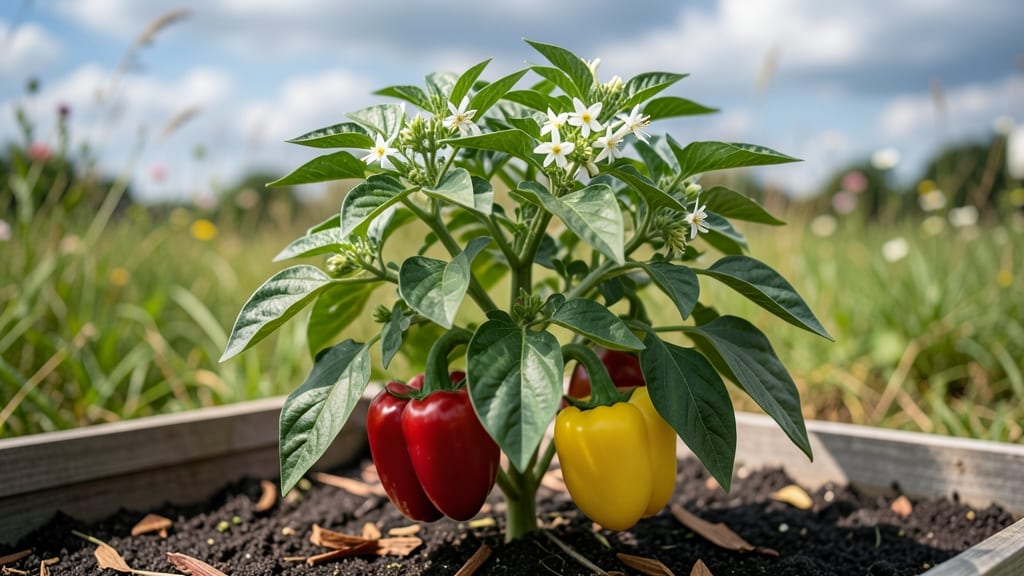
Growing Costa Rican sweet peppers like Chilote or Jicama means tropical-tasting peppers that stay sweet and prolific—no bitterness, no fuss. 🌱 I’ve grown these in small spaces for years, and the secret is treating them like vines, not bushes.
They climb, they produce, and they turn even a balcony into a pepper powerhouse.
These peppers thrive in warm climates (zones 9-11) but can also grow in containers if you bring them indoors before frost. Start with well-draining soil mixed with compost—think rich, loose, and slightly acidic (6.0-6.8 pH).
Plant seeds 6-8 weeks before last frost (or direct-sow when soil hits 70°F), spacing them 12-18 inches apart if letting them sprawl, or closer if training on a 4-6 foot trellis.
Once established, they’re low-maintenance champions: water deeply 1-2 times per week, fertilize lightly every 4-6 weeks with balanced feed, and watch them explode with fruit—50+ peppers per plant isn’t uncommon.
The key? Consistent moisture (they hate dry spells) and pruning side shoots to focus energy upward. Harvest when firm and glossy for the sweetest flavor.
Troubleshoot blossom end rot with calcium sprays, deter pests with neem oil, and protect from aphids by introducing ladybugs. In Costa Rica’s wet-dry seasons, pause watering slightly during rainy periods to prevent rot. These peppers reward patience—think sun-ripened, restaurant-quality without the heat. Ready to grow yours?
📚 In This Guide
- What you need
- Instructions
- Tips and common mistakes
- Wrapping up and next steps
What you need
- ● Costa Rican sweet pepper seeds or seedlings: Quantity: 3–5 plants (for a small harvest) or 10+ (for larger yields).
- ● Specs: Look for Capsicum annuum varieties like Pimiento de Costa Rica or Aji Dulce for sweetness.
- ● Growing containers or garden bed: Containers: 5–10 gallon pots (minimum 12" deep) with drainage holes.
- ● Garden bed: Well-draining soil, 18"–24" spacing between plants.
- ● High-quality potting mix: Quantity: 1–2 bags (depending on container size).
- ● Specs: Lightweight, organic mix with perlite or coconut coir for aeration.
- ● Fertilizer: Balanced organic fertilizer (e.g., 5-5-5 or 10-10-10).
- ● Slow-release granules or liquid feed (follow package rates).
- ● Support system: Bamboo stakes (5–6 ft tall) or trellis netting for pole training.
- ○ Twine or soft plant ties (optional, for securing vines).
- ● Watering can or hose with gentle nozzle: For consistent moisture without over-saturation.
- ● Pruning shears or scissors: Sterilized tools for trimming excess growth.
- ● Mulch (straw or shredded leaves) to retain soil moisture.
- ● Epsom salt (1 tbsp/plant monthly) for magnesium boost.
- ● Compost tea or worm castings for nutrient-rich soil.
- ● Shade cloth (30–50%) for hot climates or intense sun.
- ● Pest control: Neem oil or insecticidal soap (preventative measure).
Step-by-step guide to growing pole-trained Costa Rican sweet peppers
Here's how to coax these compact, prolific peppers into producing sweet, abundant harvests without taking over your garden.
🌱 Step 1: Select and Prepare Your Growing Site
Costa Rican sweet peppers thrive in full sun (at least 6-8 hours daily) and well-draining soil with a pH between 6.0-6.8. I always test my soil first—these peppers hate soggy roots. Amend heavy clay with 2-3 inches of compost and a handful of perlite to improve drainage.
For container growing, choose pots at least 12 inches deep and wide—these peppers develop robust root systems. Place them where they'll get morning sun and afternoon shade if your climate runs hot, as the fruit can scorch in intense afternoon heat. Watch for the soil to dry slightly between waterings; it should feel like a wrung-out sponge.
🌿 Step 2: Start Seeds Indoors or Plant Transplants Early
Sow seeds 8-10 weeks before your last frost date in seed trays filled with sterile seed-starting mix. Press seeds ¼ inch deep and keep the soil consistently moist at 75-80°F until germination, which typically occurs in 7-14 days. I use a seedling heat mat to speed this process—it cuts germination time nearly in half.
Once seedlings develop 2-3 sets of true leaves, transplant them into individual 3-inch pots. Harden off seedlings by gradually exposing them to outdoor conditions over 7-10 days before planting. You'll know they're ready when they bounce back from a few hours outside without wilting.
✂️ Step 3: Train Peppers Vertically for Compact Growth
Install a 5-6 foot tall trellis or bamboo stake near each plant when transplanting. Gently tie the main stem to the support as it grows using soft plant ties or old fabric strips—never wire, which can damage stems. Prune side shoots (suckers) that form in the leaf axils to encourage upward growth and larger fruit.
Pinch off the first few flowers if your plant looks stressed. The goal is to establish a strong framework before letting it fruit heavily. You'll see the difference in plant vigor—healthy pole-trained peppers develop thicker stems and darker green leaves compared to bush varieties.
💧 Step 4: Maintain Consistent Moisture and Fertility
Water at the base of the plant in the morning to prevent fungal diseases. Let the top 1-2 inches of soil dry between waterings—these peppers are drought-tolerant once established but produce sweeter fruit when consistently hydrated. I use a soaker hose for deep, even watering that keeps foliage dry.
Feed every 3-4 weeks with a balanced 10-10-10 fertilizer diluted to half strength. Stop fertilizing 4-6 weeks before harvest to allow flavors to concentrate. You'll notice the difference in fruit sweetness when you taste the last harvest of the season.
🌶️ Step 5: Harvest and Encourage Continuous Production
Pick peppers when they reach 3-5 inches long for maximum sweetness. Use pruning shears to cut stems just above a leaf node—this encourages branching and more fruit. I harvest every 2-3 days during peak production to prevent overcrowding and maintain plant health.
After the first harvest wave, pinch back the main stem to encourage lateral branching. This second flush of growth often produces even sweeter peppers. Store harvested peppers in the fridge for up to 2 weeks or preserve them by drying or freezing—Costa Rican varieties hold their sweetness exceptionally well when preserved.
Tips & tricks for pole-trained Costa Rican sweet peppers
Here's what nobody tells you about maximizing your harvest with these compact powerhouses.
Soil Testing Secret: Before amending your soil, test its pH—these peppers are particular about their 6.0-6.8 range. I've seen bitter peppers when pH crept above 7.0, even with perfect compost additions. A simple soil test kit (around $10) prevents this common mistake. For container growers, use a pH meter designed for potted plants to monitor levels precisely.
Seedling Heat Hack: That 75-80°F soil temperature range during germination isn't just ideal—it's critical. I learned this the hard way after struggling with slow germination in cooler conditions. Use a seedling heat mat (about $20) to maintain consistent warmth. If you don't have one, place your seed trays on top of your fridge—it generates just enough heat to help. Watch for condensation on the tray lid as your temperature gauge.
Trellis Timing: Install your 5-6 foot trellis at planting time, not later. The main stem needs immediate support to develop straight and strong. I use bamboo stakes because they're lightweight, affordable, and won't rust. For windy areas, bury the bottom 6 inches of the stake or trellis for stability—you'll notice the difference in plant sway when storms hit.
Harvest Frequency: Those 2-3 day harvest intervals during peak production aren't just about yield—they're about plant health. Overcrowded peppers develop bitter flavors and attract pests. I set a phone reminder for every 48 hours during summer months. When harvesting, always cut stems just above a leaf node—this simple technique encourages new growth from that exact spot, giving you more fruit in the same space.
Pro Tips for Costa Rican Sweet Pepper
- Here's what nobody tells you about maximizing your harvest with these compact powerhouses.
- Soil Testing Secret: Before amending your soil, test its pH—these peppers are particular about their 6.0-6.8 range.
- Seedling Heat Hack: That 75-80°F soil temperature range during germination isn't just ideal—it's critical.
Frequently asked questions
about growing and enjoying Costa Rican sweet peppers—because even the best gardeners need a little guidance! Here are answers to the most common queries to help you cultivate these flavorful gems with confidence.When is the best time to harvest Costa Rican sweet peppers?
Harvest your peppers when they’re fully colored (typically 60–90 days after transplanting) but before they harden or develop seeds. For the sweetest flavor, pick them when firm and glossy—like a ripe bell pepper! Use sharp scissors or pruners to avoid damaging the plant. Pro tip: Harvest in the morning for peak sweetness and crispness.
Why are my Costa Rican sweet peppers turning bitter?
Bitterness usually stems from stress—like overripe fruit, extreme heat, or inconsistent watering. Ensure your plants get 1–2 inches of water weekly and mulch to retain moisture. Also, avoid letting peppers stay on the vine too long; harvest them young and sweet! If bitterness persists, check for pests (like aphids) or nutrient deficiencies (add compost or a balanced fertilizer).
Can I grow Costa Rican sweet peppers in containers?
These peppers thrive in containers as long as the pot is at least 12–15 inches deep with drainage holes. Use a lightweight potting mix and place them in a spot with 6+ hours of sunlight daily. Dwarf varieties (like ‘Mini Bell’) are ideal for small spaces. Just keep an eye on watering—containers dry out faster!
What can I substitute if I can’t find Costa Rican sweet peppers?
If you’re craving that mild, sweet heat, try these alternatives:
- Poblano peppers (mild and slightly sweet when young)
- Bell peppers (sweeter but less heat)
- Shishito peppers (mild with a hint of sweetness)
- Anaheim peppers (sweet and versatile)
How long do Costa Rican sweet peppers take to mature?
From seed to harvest, expect 70–90 days for mature peppers, depending on the variety and growing conditions. If starting with transplants, you’ll see peppers ready to pick in 60–80 days. Speed up growth by:
- Using warm soil (70–80°F)
- Watering consistently (avoid soggy roots!)
- Pruning suckers to focus energy on fruit
Wrapping up and next steps
Costa Rican sweet peppers are a delightful addition to any garden, offering bold flavors without bitterness while thriving in compact spaces. With the right pole-training techniques and care, you’ll enjoy a bountiful harvest—whether you’re a beginner or seasoned gardener. 🌱
Ready to grow your own? Start by gathering your materials, then dive into planting with confidence. Every seed you sow is a step toward fresh, homegrown goodness—happy harvesting! 🌶️✨