
Pests and Diseases
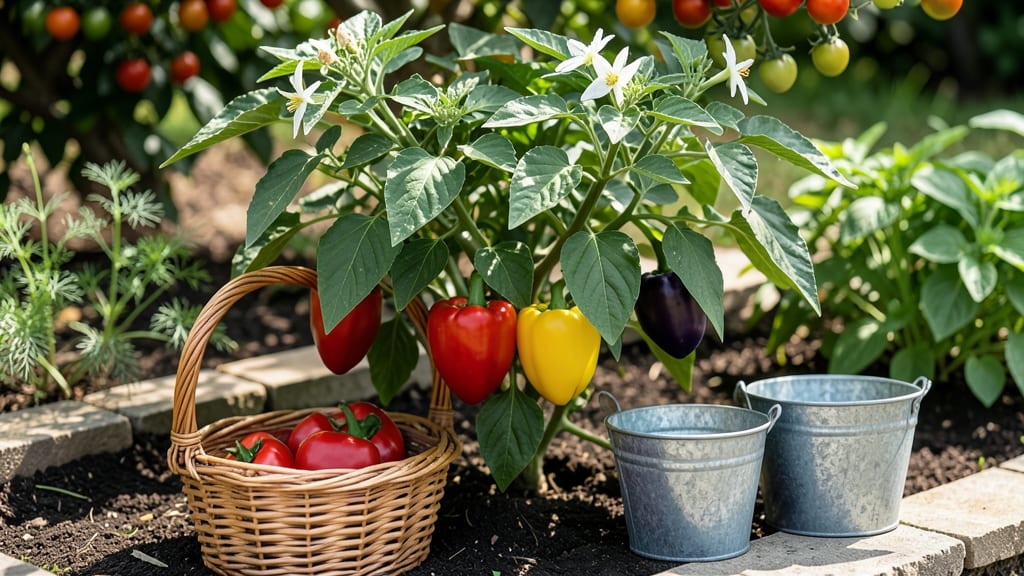
A bell pepper is ready to pick when its color shifts from green to the mature hue of its variety — but timing this perfectly means the difference between a sweet, flavorful harvest and a meal of bland disappointment.
Picture this: you’ve been waiting all summer for that first ripe 🌶️, only to pluck it too soon and end up with a pepper that’s tough, seedy, and lacking the vibrant taste you imagined.
The good news? With just a few simple checks—color, size, and firmness—you can avoid this common mistake and unlock peak flavor every time.
Most gardeners focus only on color, but ripeness is actually a mix of visual cues and tactile tests. A fully colored pepper might still be firm and glossy, while a soft one could be overripe.
Below, I’ll break down the exact signs to watch for, plus how climate and variety affect your harvest window.
By the end, you’ll know not just when to pick your bell peppers, but why—so you can enjoy the sweetest, most flavorful harvest from July through September in zone 6a.


5 Color stages of bell pepper ripeness (and when to harvest each)
Bell peppers transform through five distinct color stages, each offering unique flavor profiles and harvest windows. Understanding these stages helps you pick peppers at peak ripeness, maximizing sweetness and texture.
Whether you grow green, red, or yellow varieties, timing matters—harvest too early, and you’ll miss out on their full potential.
Most gardeners start with green bell peppers, but many varieties continue ripening into red, yellow, or orange hues. Each color stage signals a different sugar concentration and culinary use.
For example, red peppers pack twice the vitamin C of green ones, while yellow peppers often have a milder, sweeter taste. Let’s break down when to harvest each stage for the best results.
| Stage | Color | Harvest Time | Flavor Profile | Best For |
|---|---|---|---|---|
| 1 | Green | 60-75 days | Mild, slightly grassy | Stir-fries, stuffing |
| 2 | Light Green/Yellow | 75-85 days | Sweeter, less bitter | Salads, grilling |
| 3 | Yellow | 85-95 days | Sweet, fruity | Raw dishes, roasting |
| 4 | Orange | 90-100 days | Rich, caramel-like | Sauces, drying |
| 5 | Red | 95-110 days | Deepest flavor, slightly smoky | Drying, preserving |
Stage 1 (Green) is the most common harvest point for green pepper varieties, but even these can continue ripening if left on the plant. Harvest green peppers when they reach 3-4 inches long and feel firm to the touch.
If you’re growing a multi-colored variety, like ‘Color Bell’, you’ll want to wait for the pepper to transition from green to its final hue.
Stage 2 (Light Green/Yellow) appears in varieties like ‘Golden Summer’, where peppers shift from pale green to a soft yellow. At this point, they’re sweeter and less bitter than fully green peppers.
Harvest when the color is evenly distributed and the pepper feels slightly heavier. This stage is ideal for raw salads or quick-cooking dishes where you want a milder taste.
Stage 3 (Yellow) is where many gardeners aim for maximum sweetness. Yellow bell peppers, such as ‘Lemon Bell’, develop a bright, citrusy flavor when fully ripe. Look for a uniform yellow color and a slight softness at the blossom end.
These peppers are perfect for grilling or eating raw, as their flavor shines when not overcooked.
Stage 4 (Orange) offers a caramel-like depth that’s less common but highly prized. Varieties like ‘Orange Blaze’ ripen slowly, so patience pays off. Harvest when the color is deep and consistent, and the pepper has reached its full expected size.
Orange peppers are fantastic for roasting or making sauces, as their flavor intensifies when cooked.
How to test ripeness beyond color: 3 tactile and visual tricks
Color alone doesn’t always tell the whole story when it comes to bell pepper ripeness. Some peppers may look ready but still need time, while others appear underripe when they’re actually perfect.
That’s why I rely on three tactile and visual tricks to confirm ripeness—especially for green, red, yellow, or purple varieties. These methods help me avoid picking too early or too late, ensuring the best flavor and texture every time.
First, let’s talk about the firmness test, which is my go-to for determining if a pepper is truly ready. A ripe bell pepper should feel firm but slightly yielding when gently squeezed—like a ripe avocado.
If it’s rock-hard, it’s underripe, and if it’s mushy, it’s overripe. This simple check helps me avoid the bland, watery flavor of immature peppers or the shriveled texture of overripe ones.
Next, I look for the stem separation trick. When a bell pepper is fully ripe, the stem should detach easily with a slight twist or bend. If the stem resists, the pepper needs more time on the plant.
This is especially useful for red or yellow varieties, which often ripen unevenly. A clean break at the stem means the pepper is ready to harvest and will store better after picking.
Firmness Test
Gently squeeze the pepper—it should feel firm but slightly soft. Avoid rock-hard (underripe) or mushy (overripe) peppers.
Stem Separation
Twist the stem gently—it should detach cleanly. Resistance means the pepper isn’t fully ripe.
Size and Gloss
Check for full size (3-4 inches for standard peppers) and a glossy, smooth skin. Dull or wrinkled skin means it’s past its prime.
Finally, I pay attention to the size and glossiness of the pepper. A fully ripe bell pepper should match the expected size for its variety—typically 3 to 4 inches in length for standard types.
Additionally, the skin should have a slightly glossy finish, indicating proper hydration and ripeness. If the pepper looks dull or wrinkled, it’s likely overripe and past its peak flavor.
These three tricks—firmness, stem separation, and size/gloss—work together to give me confidence in my harvest. For example, a red bell pepper might look vibrant but still feel firm and small, meaning it needs a few more days.
Conversely, a yellow pepper that’s soft and glossy is ready to pick, even if it’s not fully the expected shade. Trusting these tactile cues has helped me maximize flavor and yield in my garden every season.
Pro tip: Harvest in the morning when peppers are cool and crisp. This ensures you’re picking at their freshest, and the stem separation trick works best when the plant isn’t stressed by heat. With these methods, you’ll never second-guess ripeness again!