
Pests and Diseases
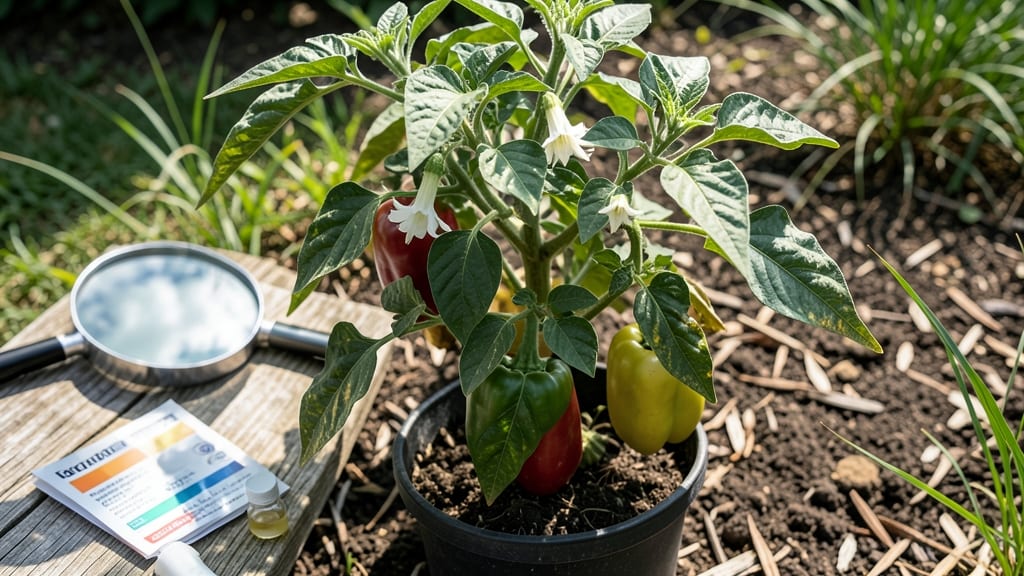
Those deformed pepper leaves are your plants’ way of screaming for help—and I’ve finally decoded the mystery behind their strange shape. 🌱 The good news? This isn’t always a death sentence for your plants.
Whether it’s a viral infection, pest attack, or simple nutrient imbalance, we’ll pinpoint the exact issue and get your peppers back on track to producing those sweet, juicy fruits you’re craving.
Most gardeners assume deformed leaves mean instant failure, but I’ve seen plants bounce back from tobacco mosaic virus and aphid infestations with the right care. The key is acting fast—once those leaves start cupping or yellowing, the plant is already diverting energy away from fruit production.
We’ll cover the top 5 culprits, how to tell them apart, and what to do next without losing your entire harvest.
By the end, you’ll know exactly how to treat your plants—whether that means spraying neem oil for spider mites, adjusting your watering schedule, or even saving your peppers by pruning the worst-affected leaves. Trust me, your next harvest will thank you for the intervention.
This works for bell peppers, jalapeños, and even hot peppers—no matter your growing setup, from containers to raised beds. Let’s turn those sad leaves into a success story before the season’s over.
Root Causes Behind Twisted Leaves
When your pepper plants start sporting crinkled, curled, or cupped leaves, it’s rarely a coincidence—it’s a cry for help from your plants. Understanding the why behind these deformities is the first step to restoring your peppers’ health.
Below, we break down the most common culprits, from sneaky pests to environmental stressors, with clear explanations of how they wreak havoc on your foliage.
Pests are often the unseen villains behind leaf deformities. They don’t just nibble—they inject toxins, suck out nutrients, or trigger stress responses that warp leaves into unrecognizable shapes.
🔍 Spider Mites: The Silent Sap-Suckers
- How they attack: These microscopic arachnids (not true insects!) embed their needle-like mouthparts into leaves, piercing cells to drain sap. Their feeding disrupts chlorophyll production and triggers a defensive response, causing leaves to cup upward or develop a silver or bronze discoloration.
- Tell-tale signs:
- Fine webbing (especially on undersides of leaves).
- Leaves that look speckled or stippled with tiny yellow dots.
- Severe cases may show scorched, crispy edges due to dehydration.
- Why it matters: Infestations spread rapidly in hot, dry conditions, and mites thrive on stressed plants. A single female can lay hundreds of eggs in her lifetime!
🐛 Aphids: Sticky Mess Makers
- How they attack: These soft-bodied insects cluster on new growth, piercing leaves to feed on sap. Their saliva contains toxic enzymes that distort leaves into puckered or curled shapes, often with a sticky residue (honeydew) that attracts sooty mold.
- Tell-tale signs:
- Leaves curl inward or develop yellow, crinkled edges.
- Black, fuzzy mold growing on honeydew.
- Stunted growth or blackened stems (from sooty mold).
- Why it matters: Aphids reproduce asexually, meaning a single infestation can explode into thousands in weeks. They also spread plant viruses, like Pepper Mottle Virus, which can cause permanent deformation.
🐛 Whiteflies: The Flying Leaf Warpers
- How they attack: These tiny, white, moth-like insects feed in colonies on the undersides of leaves, injecting toxins that cause yellowing, curling, or a "cupping" effect. Their honeydew attracts ants and promotes sooty mold.
- Tell-tale signs:
- Leaves with a yellowish, lace-like pattern.
- A cloud of whiteflies when disturbed.
- Sticky leaves or black mold.
- Why it matters: Whiteflies excrete wax-like secretions that can clog stomata (leaf pores), further stressing the plant.
Pepper plants are sensitive to their surroundings, and extreme or inconsistent conditions can lead to physical deformities as the plant struggles to adapt.
💧 Overwatering or Poor Drainage: Drowning in Disaster
- How it happens: Peppers hate "wet feet." When soil stays soggy for too long, roots suffocate from lack of oxygen, leading to nutrient deficiencies (especially nitrogen) and cell damage. The plant compensates by producing smaller, thickened, or curled leaves to conserve moisture.
- Tell-tale signs:
- Leaves with yellowing edges (chlorosis).
- Mushy stems at the base.
- Soil that smells rotten or sour.
- Why it matters: Waterlogged roots can’t absorb nutrients, leading to stunted growth and leaf cupping as the plant prioritizes survival over expansion.
☀️ Extreme Heat or Sunburn
- How it happens: Prolonged exposure to high temperatures (above 90°F/32°C) or intense sunlight can cause leaf scorch and deformation. Cells on the leaf surface may blister or pucker to protect internal tissues from damage.
- Tell-tale signs:
- Leaves with white or brown patches.
- Thickened, leathery texture.
- Curling or rolling to reduce surface area (like a turtle’s shell).
- Why it matters: Heat stress disrupts photosynthesis, causing the plant to shut down stomata (pores) to retain water—this leads to gas exchange problems and distorted growth.
🌬️ Wind or Physical Damage
- How it happens: Strong winds or rough handling can tear or bruise leaves, triggering a defensive response where the plant thickens or curls damaged areas to minimize water loss and prevent further harm.
- Tell-tale signs:
- Leaves with irregular, jagged edges.
- Puckered or folded sections near damage.
- Stunted growth in exposed areas.
- Why it matters: Physical stress weakens the plant’s cell walls, making it more susceptible to pests and diseases.
Pepper plants are finicky about their "diet," and even minor nutrient imbalances can lead to leaf deformities.
⚗️ Nutrient Deficiencies or Toxicities
- How it happens: Leaves act as nutrient sensors—when levels of nitrogen, phosphorus, or magnesium are off, they distort to signal distress. For example:
- Magnesium deficiency: Leaves cup downward with interveinal chlorosis (yellowing between veins).
- Excessive salts (from fertilizer burn): Causes crinkled, brittle leaves with brown tips.
- Stunted growth despite regular watering.
- Purple or red tinges (phosphorus deficiency).
- Leaf edges that crisp or die (salt toxicity).
💊 Herbicide or Chemical Drift
- How it happens: Even trace amounts of herbicides (like glyphosate) or fungicides can cause leaf cupping, curling, or blistering as the plant’s cells struggle to process the toxins.
- Tell-tale signs:
- Symmetrical deformities (e.g., one side of the leaf curls differently).
- Bleached or white streaks.
- Stunted new growth.
- Why it matters: Some chemicals mimic plant hormones, causing abnormal growth patterns that can’t be reversed.
Fungi, bacteria, and viruses often fly under the radar until they’ve already caused damage. Their symptoms can mimic environmental stress, but the underlying cause is biological—and often contagious.
🍄 Fungal Infections: The Silent Leaf Warpers
- How they attack: Fungi like Alternaria or Phytophthora infect leaves, disrupting cell structure and causing crinkling, curling, or blistering. Some fungi (like Powdery Mildew) create a white, powdery coating that distorts leaves as it spreads.
- Tell-tale signs:
- Dark spots with yellow halos.
- Leathery, thickened leaves.
- White or gray mold on leaf surfaces.
- Why it matters: Fungal spores spread via wind
Fixing Your Pepper Plants Now
If your pepper plants are sporting crinkled, curled, or cupped leaves, don’t panic—there’s hope! The key is identifying the root cause and taking swift, targeted action. Below, we’ve mapped out practical solutions for the most common culprits behind deformed pepper leaves, along with prevention tips to keep your plants thriving.
If your leaves are yellowing, spotted, or oozing, a pathogen is likely to blame.
🔥 Remove Infected Foliage Immediately
- Snip off any deformed, discolored, or wilting leaves using sterilized pruners (wipe with rubbing alcohol between cuts).
- Dispose of infected leaves in the trash (not compost)—fungi and bacteria can spread through compost piles.
🍳 Apply Fungicide or Bacterial Spray
- For early-stage infections, spray with a copper-based fungicide (like Copper Soap) or neem oil (1 tsp per quart of water + a drop of dish soap as an emulsifier).
- For bacterial issues, use a bacterial spray (e.g., Serenade Garden Disease Control) or a hydrogen peroxide solution (1 part 3% H₂O₂ to 9 parts water).
- Reapply every 7–10 days until new growth appears healthy.
👨🍳 Improve Air Circulation & Reduce Moisture
- Space plants 12–18 inches apart to allow airflow.
- Water at the base (avoid overhead sprinkling) and water in the morning so leaves dry quickly.
- Prune lower leaves to keep foliage off the damp soil.
💡 Prevention Tip:
✨ Rotate crops—never plant peppers (or nightshades like tomatoes/eggplants) in the same spot two years in a row. Fungi and bacteria linger in the soil!
Tiny critters love pepper leaves—and their feeding can warp and distort them.
🔪 Blast Off Pests with Soap or Oil Sprays
- Insecticidal soap (1.5 tbsp mild castile soap + 1 quart water) or neem oil spray (2 tbsp neem oil + 1 tsp soap per quart water) work well.
- Spray undersides of leaves (where pests hide) and repeat every 3–5 days until pests vanish.
🥘 Introduce Beneficial Predators
- Ladybugs, lacewings, or predatory mites eat aphids and spider mites. Buy them online or attract them with dill, fennel, or marigolds nearby.
- Release them in the evening (they’re sensitive to sunlight).
🌡️ Control Humidity & Dust Leaves
- Spider mites thrive in dry heat—mist plants lightly or use a hose to rinse them off.
- Wipe leaves with a damp cloth to remove webbing and pests.
🎯 Prevention Tip:
✨ Use reflective mulch (like aluminum foil) around plants—it confuses pests and deters them from landing!
Overwatering, underwatering, or nutrient imbalances can cause leaves to pucker or curl.
⏰ Adjust Your Watering Routine
- Check soil moisture—stick your finger 1–2 inches deep. Water only if it’s dry.
- Use drip irrigation or soaker hoses to deliver water directly to roots (avoids wetting leaves).
- Ensure pots have drainage holes—peppers hate soggy roots!
🍽️ Feed with the Right Fertilizer
- Over-fertilizing (especially with nitrogen) can cause leaf curl.
Switch to a balanced fertilizer (10-10-10 or 5-5-5). - For nutrient deficiencies, use: - Epsom salt (magnesium deficiency) – 1 tbsp per gallon of water, spray on leaves. - Fish emulsion (nitrogen boost) – Dilute and water plants. - Compost tea (general health) – Brew and apply as a foliar spray.
💡 Prevention Tip:
✨ Test your soil before planting—peppers prefer slightly acidic to neutral pH (6.0–7.0). Adjust with lime (to raise pH) or sulfur (to lower it) if needed.
Sometimes, the issue isn’t pests or disease—it’s the weather!
🌡️ Shield from Extreme Heat or Wind
- Provide shade cloth (30–50%) if temperatures exceed 90°F (32°C).
- Use windbreaks (like burlap or straw bales) if your garden is exposed.
- Move potted peppers to a sheltered spot if they’re getting blasted by wind.
🌱 Gradually Acclimate Transplants
- If you recently transplanted peppers, harden them off (acclimate to outdoor conditions) over 7–10 days before moving them permanently.
- Avoid full sun immediately—start with 3–4 hours of morning sun, then increase gradually.
💡 Prevention Tip:
✨ Mulch heavily (2–3 inches of straw or wood chips) to retain moisture and regulate soil temperature!
If your pepper plant is beyond saving (e.g., severe fungal rot, total defoliation, or pest infestation that won’t quit), it’s time to pull and replace.
- Dispose of the plant (don’t compost it).
- Solarize the soil (cover with clear plastic for 4–6 weeks in summer) to kill lingering pathogens.
- Start fresh with healthy seedlings or transplants.
Remember: The faster you act, the better your peppers’ chances of bouncing back! With the right care, your plants can recover and produce a bountiful harvest—so don’t lose hope! 🌶️💪
Frequently asked questions
Why do my pepper leaves look crinkled but aren't yellow or spotted?
Crinkled pepper leaves without yellowing or spotting are often caused by environmental stress like wind damage or heat stress. Plants curl leaves to protect themselves from excessive sunlight or dehydration. Check for thickened leaf texture or white patches—these indicate sunburn. Move plants to partial shade if temperatures exceed 90°F (32°C).
Can I save my peppers if the leaves are already curled from spider mites?
Yes, but act fast! Start by wiping leaves with a damp cloth to remove webbing, then spray with neem oil (2 tbsp per quart of water + 1 tsp soap) every 3-5 days. For severe infestations, introduce predatory mites or release lacewings in the evening. New growth should recover within 2-3 weeks if pests are eliminated.
Will pruning deformed leaves help my pepper plant recover?
Prune only the most severely deformed leaves using sterilized scissors to prevent spreading diseases. Focus on removing leaves with honeydew residue (aphids), webbing (mites), or fungal spots. Never remove more than 20% of foliage at once—this helps the plant redirect energy to healthy growth and fruit production.
How do I tell if my pepper leaves are deformed from a virus or just nutrient issues?
Viral deformities (like tobacco mosaic virus) often show mosaic patterns, stunted growth, and puckered leaves with no other symptoms. Nutrient issues (like magnesium deficiency) cause yellowing between veins with downward cupping. Test your soil—peppers need pH 6.0-7.0 and balanced N-P-K (10-10-10).
Can I still harvest peppers from plants with deformed leaves?
Yes, but only from healthy branches. Deformed leaves indicate the plant is diverting energy to survival, so fruit may be smaller or less flavorful. Focus on removing damaged foliage and treating the root cause (pests, disease, or stress). Once new growth appears healthy, fruit quality should improve within 4-6 weeks.