
Picking
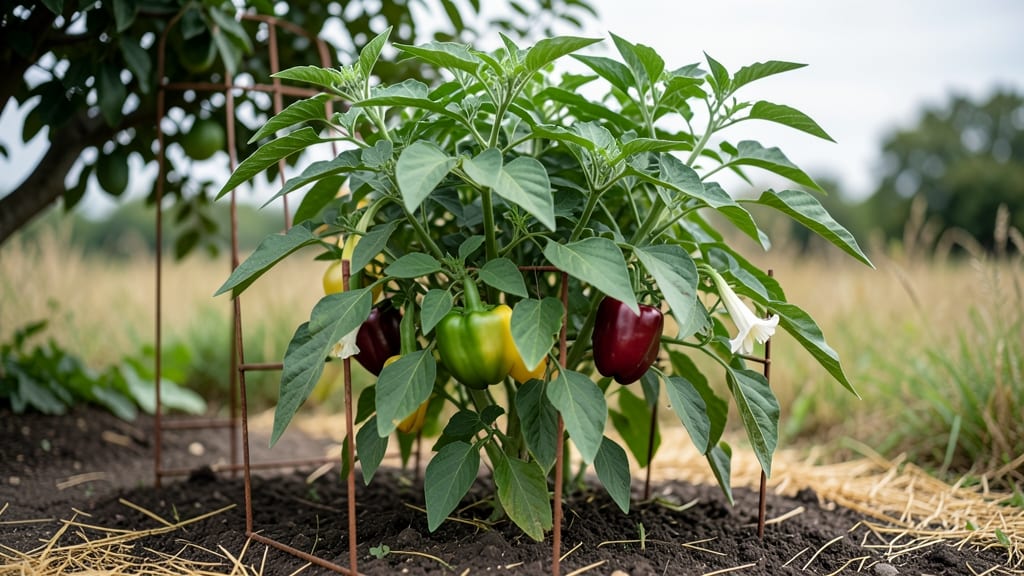
Goat’s rue (Galega officinalis) might look like a harmless wildflower, but it’s a sneaky weed that can strangle your pepper plants if left unchecked. 🌱 This aggressive invader spreads fast, crowding out your container gardens and stealing nutrients—especially in vertical spice setups where space is tight.
The confusion starts when its delicate white flowers resemble pepper blooms, but the leaves are the dead giveaway: deeply lobed and fuzzy, unlike the smooth, broad leaves of peppers.
Identifying it early is key—check for its triangular seed pods and strong, unpleasant odor when crushed. Pulling it by hand works for small patches, but for container gardens, a 3-inch-deep barrier of cardboard smothered with mulch stops regrowth.
Avoid tilling, as it spreads roots aggressively. Once removed, replace the soil in containers with fresh potting mix to prevent reinfestation.
The real damage happens when goat’s rue dominates, leaving your peppers stunted and yellowing. Organic gardeners swear by vinegar spray (20% acetic acid) for spot treatment, but test a small area first—it can harm nearby plants.
For prevention, interplant with basil or marigolds, which deter it naturally. A weekly soil check during peak growing season keeps it from gaining a foothold.
If you’ve already got an infestation, don’t panic—copper tape around container edges deters seeds from landing. The trick is consistency: check containers twice weekly in spring and summer, and you’ll keep your peppers thriving while this weed stays out.
Your vertical spice garden will thank you with bold flavors and no unwanted guests.
📚 In This Guide
- What you need
- Instructions
- Tips and common mistakes
- Wrapping up and next steps
What you need
- ● Goats weed pepper seeds: 3–5 seeds (or a single starter plant from a nursery). Choose a Capsicum annuum variety like ‘Goats Weed’ or ‘Pepper X’ for a mild, tangy kick.
- ● Container: A 5-gallon fabric grow bag or a 12–15-inch deep pot (with drainage holes!). Fabric pots encourage root aeration and reduce transplant shock.
- ● High-quality potting mix: A well-draining, peat-free mix (e.g., Black Gold Natural & Organic or FoxFarm Ocean Forest) amended with 20% perlite or vermiculite for airflow.
- ● Slow-release fertilizer: 10–10–10 or 5–5–5 granular fertilizer (e.g., Espoma Garden-Tone) mixed into the soil at planting.
- ● Organic compost: 1 cup of worm castings or compost tea to boost nutrients.
- ● Drip irrigation system or watering can: A self-watering setup (like a Blum EarthBox) is ideal, but a can with a narrow spout works too.
- ● Support structure: A small tomato cage or bamboo stake (4–5 feet tall) to train vertical growth.
- ● Pruning shears: Sharp, sterilized scissors for trimming and harvesting.
- ● Grow lights: A full-spectrum LED (e.g., Samsung LM3000) for indoor growing or early-season boosts.
- ● Mulch: Straw or shredded leaves to retain moisture and suppress weeds.
- ● Fish emulsion or seaweed extract: A liquid feed (e.g., Neptune’s Harvest) for a mid-season nutrient boost.
- ● Pest control: Neem oil spray or diatomaceous earth to deter aphids or spider mites.
- ● Garden journal: A notebook to track watering, sunlight, and pepper growth!
Step-by-Step guide to growing goats weed pepper in vertical containers
Turn your balcony into a spicy vertical garden with this container-friendly pepper-growing method.
🪴 Step 1: Select and Prepare Your Vertical Container System
Choose a container system with at least 12-18 inches of depth per pepper plant—stacked pots, a tiered planter, or even repurposed wooden crates work beautifully. I prefer containers with multiple drainage holes to prevent root rot, which is especially critical for peppers that dislike soggy feet. If your container lacks drainage, drill ¼-inch holes in the bottom before planting.
Fill the bottom tier with 3-4 inches of lightweight potting mix—this creates a stable base for your pepper's root system. Press the mix gently to eliminate air pockets, but don't compact it too tightly. You'll add more soil as you plant each successive tier, ensuring each pepper has its own dedicated growing space. This vertical setup maximizes sunlight exposure for each plant, which is crucial for peppers that crave 6-8 hours of direct sun daily.
🌱 Step 2: Plant Goats Weed Pepper Seeds or Transplants
Start with seeds or young transplants—if using seeds, sow them ¼ inch deep in the bottom tier's soil, spacing them 12-18 inches apart to allow for future growth. For transplants, dig a hole twice as wide as the root ball and place the pepper gently, ensuring the top of the root ball sits just below the soil line. Fill around the roots with fresh potting mix and water lightly to settle everything.
Here's the thing—goats weed peppers are heat-loving plants, so if your area experiences below 60°F nights, wait until after the last frost or use a grow light to supplement. I always add a slow-release fertilizer to the planting mix to give my peppers a nutrient boost right from the start. Water thoroughly after planting, but avoid soggy soil—peppers are more forgiving of underwatering than overwatering.
☀️ Step 3: Position for Maximum Sun and Support
Place your vertical container in the sunniest spot possible—south-facing windowsills or balconies are ideal. If you're growing indoors, supplement with a full-spectrum LED grow light positioned 6-12 inches above the plants for 12-14 hours daily. You'll know your peppers are getting enough light when they develop deep green, glossy leaves and grow upright rather than stretching toward the light.
As your peppers grow, they'll need support. Install bamboo stakes or small cages in each tier to prevent heavy pepper pods from snapping stems. I like to tie the main stem loosely to the stake with soft plant ties every 4-6 inches—this keeps the plant stable without restricting growth. Watch for first flower clusters appearing in 8-10 weeks—this is your cue that fruit production is underway!
💧 Step 4: Water and Fertilize for Peak Production
Water your vertical pepper garden deeply once a week, allowing the top 1-2 inches of soil to dry out between waterings. Peppers are drought-tolerant but produce best with consistent moisture—especially during fruiting. I water in the morning to allow foliage to dry before evening, which helps prevent fungal diseases like powdery mildew. Use a watering can with a narrow spout to direct moisture to the base without wetting leaves.
Every 4-6 weeks, feed your peppers with a balanced liquid fertilizer (10-10-10 or similar) diluted to half-strength. You'll notice a difference in leaf color and fruit size within a few weeks—richer greens and plumper pods are your reward. If you notice yellowing leaves, it's often a sign of overwatering or nutrient deficiency, so adjust accordingly. Harvest peppers when they reach full color and firmness—this encourages more production and prevents overripe pods from splitting.
✂️ Step 5: Prune and Maintain for Continuous Harvest
Prune your goats weed peppers regularly to encourage bushier growth and better air circulation. Remove any yellow or diseased leaves immediately with clean pruning shears, and pinch off side shoots that form below the first flower cluster—this redirects energy to fruit production. I also trim back any overly leggy growth to maintain a compact shape, especially in vertical setups where space is limited.
As the season progresses, you may need to add more potting mix to the top tiers—peppers grow surprisingly fast, and their roots will follow. Keep an eye on your plants and adjust their position if they start shading each other. With proper care, your vertical pepper garden will produce harvests for months, and you'll have fresh goats weed peppers ready for cooking all season long!
Tips & tricks for vertical goats weed pepper growth
Transforming limited space into a thriving pepper garden takes strategy—not just containers. Here's how to maximize your vertical setup for bold, flavorful harvests.
Container Depth Matters: While the instructions call for 12-18 inches per plant, I've found that adding 2-3 inches of extra depth in the bottom tier creates a more stable root base. This prevents top-heavy plants from tipping as they mature. Use lightweight potting mix in the bottom tier to maintain good aeration while providing that crucial foundation. The extra depth also gives you room to add compost later in the season without disturbing the roots.
Sunlight Optimization: The 6-8 hours of direct sun daily requirement can be tricky in vertical setups. To maximize exposure, rotate your container quarter-turn every few days so all plants receive equal light. If you notice one side growing leggy, it's getting too much light—move that tier to partial shade. For indoor growers, position your full-spectrum LED light 6-8 inches away from the tallest plants to prevent burning while maintaining the 12-14 hour daily exposure.
Support System Secrets: When installing bamboo stakes or cages in Step 3, I recommend burying them 3-4 inches deep in the soil for maximum stability. For extra security in windy conditions, use two stakes per plant positioned diagonally. The 4-6 inch spacing for plant ties is perfect, but I've found that adding a third tie at the mid-point prevents the main stem from bending under heavy pepper loads. Watch for those first flower clusters at 8-10 weeks—this is when you'll need to reinforce support most.
Watering Precision: The once-weekly deep watering guideline works beautifully, but I've developed a simple test to check soil moisture: Insert your finger 1-2 inches deep—if it feels dry, it's time to water. For tiered systems, water the top tier first and let it absorb before moving to the next level down. This prevents water pooling at the bottom, which can lead to root rot. In hot climates, you might need to water every 5-6 days instead of weekly while maintaining that 1-2 inch dry top layer.
Pro Tips for Goats Weed Pepper
- Transforming limited space into a thriving pepper garden takes strategy—not just containers.
- Container Depth Matters: While the instructions call for 12-18 inches per plant, I've found that adding 2-3 inches of extra depth in the bottom tier creates a more stable root base.
- Sunlight Optimization: The 6-8 hours of direct sun daily requirement can be tricky in vertical setups.
Frequently asked questions
What’s the best container size for goats weed pepper?
Goats weed pepper thrives in 5-gallon containers or larger—they need room for roots and vertical growth. If using smaller pots, opt for dwarf varieties or prune aggressively. Ensure containers have drainage holes to prevent root rot. Pro tip: Stackable pots or vertical planters maximize space!
How long does it take for goats weed pepper to mature?
From seed to harvest, expect 80–100 days for mature peppers, depending on variety and climate. Start seeds indoors 8–10 weeks before last frost for a head start. Hotter varieties (like ‘Goats Weed’) may take slightly longer—patience pays off with fiery flavor!
Can I grow goats weed pepper in the same container as other herbs?
Yes, but choose companions wisely! Pair it with basil, thyme, or marigolds to deter pests. Avoid fennel or dill, which can stunt its growth. If stacking vertically, ensure each plant gets 6+ hours of sunlight—goats weed pepper is a sun-hungry diva!
Why are my goats weed pepper leaves turning yellow?
Yellowing leaves usually signal overwatering, nutrient deficiency, or poor drainage. Check soil moisture—peppers hate soggy roots. Amend soil with compost or balanced fertilizer (10-10-10) every 4–6 weeks. Quick fix: Flush the soil with water to reset salts!
What’s a good alternative if goats weed pepper doesn’t grow well in my climate?
Try ‘Jalapeño,’ ‘Carolina Reaper,’ or ‘Habanero’ for similar heat and compact growth. For milder flavors, ‘Shishito’ or ‘Poblano’ are container-friendly. Hot peppers love warmth, but sweeter varieties tolerate cooler temps better.
Wrapping up and next steps
Growing goats weed pepper in containers isn’t just a space-saving hack—it’s a flavor-packed adventure! With minimal effort, you can enjoy homegrown peppers bursting with heat and versatility, perfect for spicing up dishes or gifting to fellow foodies. 🌱
Ready to level up your urban garden? Start small—plant a single pepper, experiment with flavors, and watch your confidence (and harvest) grow. Next, share your success or tag us in your spicy creations—we’d love to see your container garden thrive! 🔥