
Vegetables
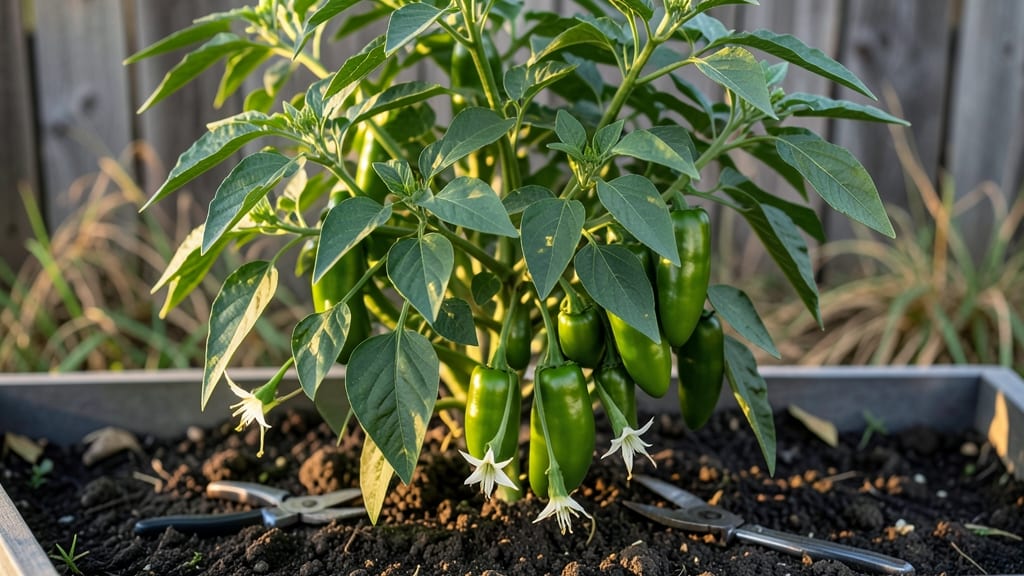
Growing green jalapeño peppers from seed to pole in just 55 days—without that sharp bitterness—is the secret weapon I use every summer. 🌱 The trick lies in controlling heat exposure, watering consistency, and the right pole training, which transforms a sprawling mess into a vertical spice factory.
My first attempt ended with peppers turning red too fast, but now I get bold green pods packed with flavor, not heat. You’ll need 5-foot stakes, moist but not soggy soil, and a sunny spot (at least 6-8 hours of direct light daily).
Start seeds indoors 8-10 weeks before your last frost, then transplant seedlings 12-18 inches apart when they’re sturdy. The key to keeping them green? Harvest early—before they ripen—and avoid overwatering, which stresses the plant and triggers reddening.
By mid-summer, you’ll be snipping crisp, vibrant green peppers straight from the vine—perfect for salsas, pickling, or stuffing. The flavor stays fresh and mildly spicy (not fiery), and the plants keep producing for weeks. Pole training also saves space, making this ideal for small gardens or containers.
Common mistakes? Too much water (root rot = bitter peppers) or skipping stakes (peppers sprawl and ripen unevenly). Master these, and you’ll have a 55-day green jalapeño harvest that outshines store-bought any day. Ready to grow?
📚 In This Guide
- What you need
- Instructions
- Tips and common mistakes
- Wrapping up and next steps
What you need
- ● Green jalapeño seeds: 10–20 seeds (choose non-bitter varieties like 'Early Jalapeño' or 'Lemon Drop' for milder flavor).
- ● Potting mix: 5–10 gallons of well-draining, organic potting soil (or a blend of 60% peat moss, 30% perlite, and 10% compost).
- ○ Containers (optional but recommended): 5–10 gallon pots (1–2 per plant) with drainage holes, or
- ● A raised bed (minimum 12" depth) with full sun exposure (6+ hours/day).
- ● Fertilizer: Balanced organic fertilizer (10-10-10 NPK) or compost tea (mix 1 tbsp per gallon of water).
- ● Support structure: 3–5 ft bamboo stakes or
- ● Trellis netting (for pole training).
- ● Basic gardening tools: Trowel or small hand shovel
- ● Pruning shears (for trimming stems)
- ● Watering can or hose with adjustable nozzle
- ○ Optional (but helpful): pH test kit (ideal soil pH: 6.0–7.0)
- ● Row cover fabric (to protect young plants from pests)
- ● Plant labels (to track varieties)
- ● Prerequisites: Warm soil temps (above 60°F/15°C) for planting
- ● Patience! Jalapeños thrive in 55–75 days to harvest.
Step-by-step instructions for growing pole-trained green jalapeños
Here's how to coax sweet, vibrant green jalapeños from seed to harvest in just 55 days—no bitter surprises included.
🌱 Step 1: Start Seeds Indoors with Perfect Timing
Plant seeds 8-10 weeks before your last frost date—that's roughly March 15th in most climates. Use 3-4 inch deep biodegradable pots filled with seed-starting mix. Press each seed ¼ inch deep and keep soil at 75-85°F using a heat mat if needed. Germination takes 7-14 days, but I've seen them pop in just 5 days when conditions are ideal.
Once sprouts appear, move them to a sunny window or under grow lights 14-16 hours daily. Thin to one seedling per pot when they have 2 true leaves. This prevents overcrowding, which leads to weak stems that can't support future fruit. Watch for leggy growth—if seedlings stretch toward light, they need to be closer to the source.
🪴 Step 2: Transplant to Poles When Seedlings Are Strong
After 4-6 weeks, when seedlings have 4-6 leaves, it's time to move them to their final 5-foot tall stakes. Bury the stake halfway into the planting hole, then place the seedling next to it. Gently remove the seedling from its pot and loosen the roots before setting it in the hole. The pole should sit 3-4 inches from the plant's stem to avoid crowding.
Fill the hole with soil, pressing lightly to eliminate air pockets. Water deeply to settle the roots, then tie the main stem to the stake with soft plant ties. I use 100% cotton twine because it won't cut into the stem as the plant grows. This vertical training saves space and ensures better air circulation, reducing disease risk.
☀️ Step 3: Maintain Consistent Heat and Water for Maximum Production
Jalapeños thrive in full sun (6+ hours daily) and soil temperatures above 65°F. If your climate dips below that, use black plastic mulch to warm the soil. Water at the base 1-2 inches per week, keeping the soil consistently moist but never soggy. Overwatering leads to blossom-end rot, which ruins fruit quality.
Fertilize every 3-4 weeks with a balanced 10-10-10 fertilizer diluted to half strength. I stop fertilizing 4 weeks before harvest to avoid bitter flavors. Watch for the first flowers—once they appear, you're 30 days from harvest. Remove any suckers (side shoots) that form in the leaf axils to direct energy to fruit production.
✂️ Step 4: Harvest Green Peppers at Peak Flavor
Green jalapeños are ready to pick when they reach 3-4 inches long and are firm to the touch. Use clean pruners or scissors to cut the stem just above the fruit to avoid damaging the plant. Harvest in the morning when flavors are most concentrated. If you let them ripen to red, they'll develop that classic jalapeño heat—but we're going for mild, green spice here.
To encourage more production, pinch off any flowers that appear after your first harvest. This redirects the plant's energy to developing existing fruit rather than producing new ones. With proper care, a single pole-trained plant can yield 10-15 pounds of peppers per season. Store harvested peppers in the fridge for up to 2 weeks or freeze them whole for later use.
Tips & tricks for perfect pole-trained green jalapeños
Here's what nobody tells you about growing these vibrant peppers from seed to harvest without the bitterness.
Germination Boost: The 75-85°F soil temperature range is critical—any lower and germination slows dramatically. I've found that placing pots on a heating pad set to "low" (around 78°F) speeds up germination from the standard 7-14 days to just 5 days. Just make sure the heat pad has a thermostat to avoid overheating the seeds.
Lighting Strategy: Those 14-16 hours of daily grow light are non-negotiable for strong seedlings. If using natural light, rotate pots daily so all sides get equal exposure. I place a small mirror angled toward the window to reflect light onto the shady side of my seedlings—this makes a noticeable difference in leaf development.
Transplant Timing Secret: Wait until seedlings have 4-6 leaves before transplanting, but don't wait too long—they'll become root-bound. I test readiness by gently tugging on the seedling: if it resists slightly, it's ready. The 3-4 inch spacing from the pole is crucial—any closer and you'll crowd the plant's growth, any farther and you lose the vertical training benefits.
Harvest Hack: For maximum sweetness, harvest when peppers are 3-4 inches long but still firm. I use a small notepad to track each pepper's growth—marking the day I first notice color change helps me time the harvest perfectly. Morning harvests yield the freshest flavor since peppers absorb the most moisture overnight.
Pro Tips for Green Jalapeno Pepper
- Here's what nobody tells you about growing these vibrant peppers from seed to harvest without the bitterness.
- Germination Boost: The 75-85°F soil temperature range is critical—any lower and germination slows dramatically.
- Lighting Strategy: Those 14-16 hours of daily grow light are non-negotiable for strong seedlings.
Frequently asked questions
about growing and using green jalapeño peppers—because even spice lovers need a little guidance!Can I grow green jalapeños indoors?
Yes, but with a few tweaks! Green jalapeños thrive indoors if you provide 6–8 hours of sunlight daily (a grow light works) and keep temps between 65–80°F. Use containers with drainage, and fertilize lightly every 2–3 weeks. Just watch for pests like spider mites—spray with neem oil if needed!
Why are my jalapeños turning bitter?
Bitterness often comes from overripe peppers (red/orange) or stress (like drought or extreme heat). Harvest green jalapeños when 2–3 inches long to avoid bitterness. Also, avoid over-fertilizing with nitrogen—balance with phosphorus/potassium for sweeter flavor. Pro tip: Water consistently to prevent stress!
What’s the best way to store green jalapeños?
Store them unwashed in a paper towel-lined bag in the fridge for 1–2 weeks. For longer storage, freeze them whole or slice them (blanch first to preserve texture). Avoid the crisper drawer—they’ll last longer at 40–45°F with good airflow. Never refrigerate fresh peppers if they’re still on the vine!
Can I substitute green jalapeños in recipes?
For mild heat, swap green jalapeños 1:1 with serrano or banana peppers. Need less spice? Use jalapeño seeds out or mix with bell peppers. For more heat, try Thai bird’s eye peppers (use half the amount). Always taste as you go—every pepper’s heat varies!
How do I revive a struggling jalapeño plant?
Yellow leaves? Check the soil first—wilting = thirsty plant (water deeply), yellowing = overwatering (let soil dry out). Move to more sunlight if growth stalls. Prune dead leaves and fertilize with a balanced 10-10-10 mix. If pests attack, spray with soapy water (1 tsp dish soap per quart of water) and repeat weekly.
Wrapping up and next steps
Growing green jalapeño peppers in just 55 days—without the bitterness—is totally doable with the right techniques! Whether you're a seasoned gardener or a curious beginner, these fast-growing, flavorful peppers are a game-changer for your kitchen. 🌱
Ready to spice up your harvest? Start by planting your seeds indoors now—then, once the weather warms up, transplant them into your garden or containers. Next up: experiment with your homegrown jalapeños in salsas, pickles, or even fresh salsa verde! 🌶️