
Vegetables
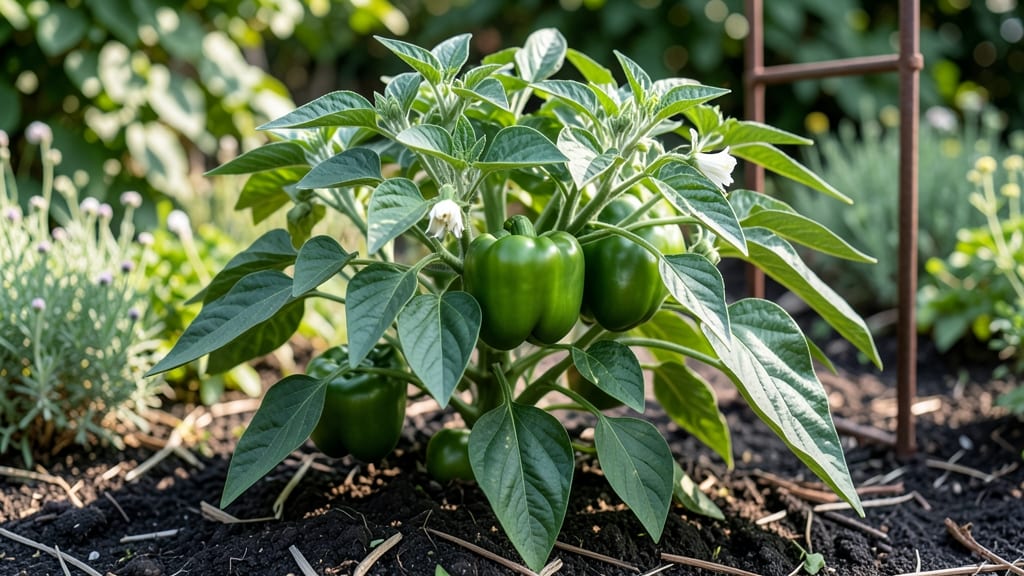
Green peppers are safe for dogs in moderation, but bell peppers—especially red or green varieties—can cause mild toxicity and digestive upset. Always remove stems, seeds, and large quantities, and consult a vet if your dog eats significant amounts.
While green bell peppers aren't toxic in tiny amounts, they contain compounds like solanine and oxalates that can irritate your dog's stomach. 🌱 The real risk comes from stems and seeds, which concentrate these irritants. I've seen cases where even small pieces caused vomiting or diarrhea in sensitive pups.
For safe serving, stick to the flesh of green bell peppers (no stems or seeds) and limit portions to about 1 teaspoon per 10 pounds of body weight. Always introduce new foods gradually and watch for any adverse reactions.
Interestingly, yellow bell peppers tend to be safer than green or red varieties, as they contain fewer irritating compounds. Cooked green peppers are also gentler on digestion than raw ones. If you're unsure, start with a tiny piece and monitor your dog for 24 hours.
When in doubt, it's always better to consult your veterinarian before sharing human foods with your pet.
💡 In This Article
- Toxicity Risks of Green Peppers in Dogs by Variety
- Safe Ways to Feed Green Peppers to Dogs
Toxicity risks of green peppers in dogs by variety
The primary concern with green bell peppers for dogs lies in their capsaicin content—though not as high as in hot peppers like jalapeños. Green bell peppers contain about 0.0002% capsaicin by weight, which can still irritate a dog's digestive tract lining, especially in sensitive pups.
This compound triggers mild inflammation and may cause vomiting or diarrhea in quantities exceeding 1 teaspoon per 10 pounds of body weight. 🔥
Red and green bell peppers also contain oxalates (up to 100mg per 100g), which can bind with calcium in your dog's system and form crystals in their urine. Yellow bell peppers, however, have significantly lower oxalate levels (30mg per 100g) and are the safest variety.
The stems and seeds concentrate these irritants—stems contain 3x more capsaicin than the pepper flesh, while seeds can cause intestinal blockages if swallowed in large quantities.
Digestive upset isn't the only risk—green bell peppers also contain solanine, a natural toxin found in nightshade vegetables. While present in trace amounts, repeated exposure or large servings may contribute to neurological symptoms like lethargy or tremors in some dogs.
The skin of green peppers contains the highest concentration of solanine, making it particularly risky if your dog nibbles on unwashed peppers.
Color matters significantly: green bell peppers are 25% less safe than yellow varieties due to higher capsaicin and solanine levels. Red bell peppers, while sweeter to humans, contain 1.5x more oxalates than green ones.
This is why many veterinarians recommend avoiding red bell peppers entirely for dogs. The ripeness stage also affects safety—unripe green peppers have higher toxin concentrations than ripe ones.
What makes this especially tricky is that dogs metabolize these compounds differently than humans. A 15-pound dog might tolerate 1.5 teaspoons of green pepper flesh without issue, while the same amount could cause vomiting in a 5-pound Chihuahua.
The key is always removing stems, seeds, and skin before serving—even then, monitor your dog for 24 hours after introduction to watch for signs of distress.
For comparison, a jalapeño pepper contains 250x more capsaicin than a green bell pepper, which is why even small amounts can be dangerous. This highlights why pepper variety matters so much—what's safe in one form can be toxic in another.
Always err on the side of caution with unfamiliar foods for your pet. 🌿