
Featured
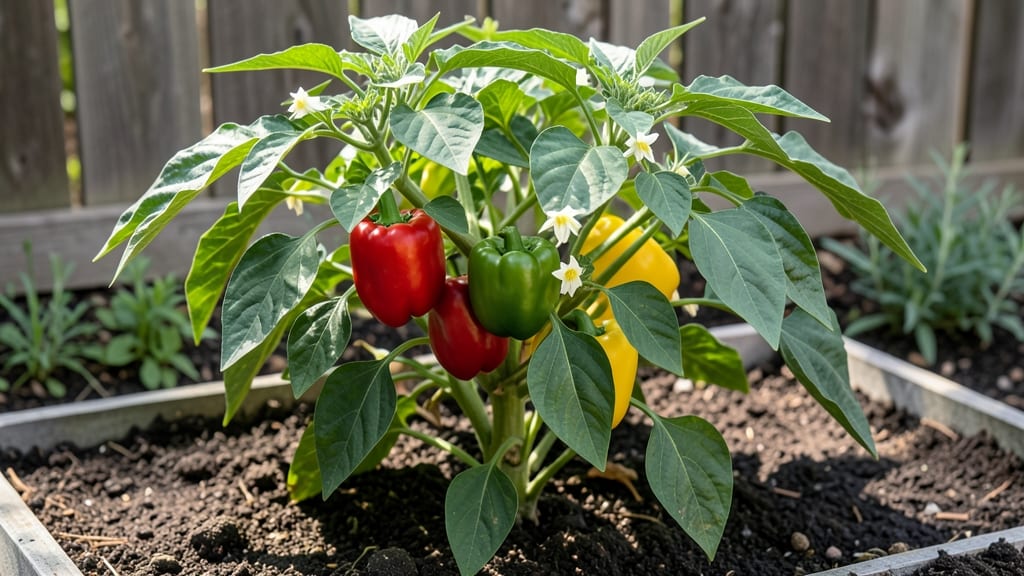
Yes, ducks can eat bell peppers safely in moderation, as they provide vitamin C and fiber, but avoid feeding them stems, leaves, or seeds. Red, yellow, and green varieties are all duck-friendly when served raw or cooked without seasoning.
Bell peppers are a nutritious treat for ducks, offering essential vitamins like A and C that boost their immune system and support vibrant feathers. 🌿 The fiber content aids digestion, though you should always chop them into small, manageable pieces to prevent choking.
I recommend starting with small portions—about 1-2 tablespoons per duck daily—to gauge their reaction before increasing. While raw peppers are fine, lightly steaming them can make the texture easier for younger ducks to handle.
When introducing bell peppers to your flock, remove all stems, leaves, and seeds first—these parts can be tough to digest and may cause discomfort. 🚫 Always supervise your ducks during their first few meals to ensure they're eating safely.
Overfeeding can lead to digestive upset, so treat bell peppers as a supplement rather than a staple in their diet.
💡 In This Article
- Nutritional Benefits of Bell Peppers for Ducks
- Safe Feeding Practices for Ducks with Bell Peppers
Nutritional benefits of bell peppers for ducks
Bell peppers pack a nutritional punch for ducks, offering a powerhouse of vitamins that directly support their health. A single ½ cup of raw red bell pepper contains 150% of a duck's daily vitamin C needs, which strengthens their immune system and helps maintain healthy skin and feathers.
This is especially valuable during colder months when ducks are more susceptible to illness. The vitamin A content—about 1,400 IU per ½ cup—promotes good vision and reproductive health, while vitamin K aids in blood clotting and bone development.
Different pepper varieties offer varying benefits: red bell peppers contain the highest levels of vitamin C (190mg per ½ cup) and antioxidants like quercetin, which reduce inflammation.
Yellow and green varieties still provide these nutrients but in slightly lower concentrations—green peppers have about 120mg of vitamin C per ½ cup.
The fiber content (around 2 grams per ½ cup) aids digestion by promoting healthy gut motility, preventing issues like impaction that can occur with dry feed diets. 🌈 What makes bell peppers unique is their high water content (92%), which helps keep ducks hydrated, particularly important for active breeds like Muscovy or Pekins.
The antioxidants in bell peppers—such as beta-carotene and lutein—act as natural disease fighters. These compounds help neutralize free radicals that can damage cells, potentially reducing the risk of chronic conditions.
For example, a duck consuming 1 tablespoon of red bell pepper daily would receive about 10% of its antioxidant needs, contributing to long-term vitality. The natural sweetness also makes them an appealing treat, encouraging ducks to eat their vegetables even when they're picky about greens.
However, the nutritional benefits depend on how you prepare the peppers. Cooking can reduce vitamin C levels by up to 20%, but it makes the peppers softer and easier to digest for ducklings or older ducks with dental issues.
Steaming for 3-5 minutes preserves more nutrients than boiling, which can leach vitamins into the water. The key is balance—raw peppers offer maximum vitamin retention, while cooked versions provide easier digestion without losing all their benefits.
Consider this comparison: a ¼ cup serving of red bell pepper provides nearly 30% of a duck's daily vitamin A and 15% of vitamin C, while green peppers offer similar vitamin A but only about 10% of vitamin C.
This makes red peppers the most potent choice for immune support, while green peppers still deliver valuable nutrients with a milder flavor that some ducks prefer. 💛 The fiber content remains consistent across varieties, ensuring digestive health regardless of color.