
Container Gardens
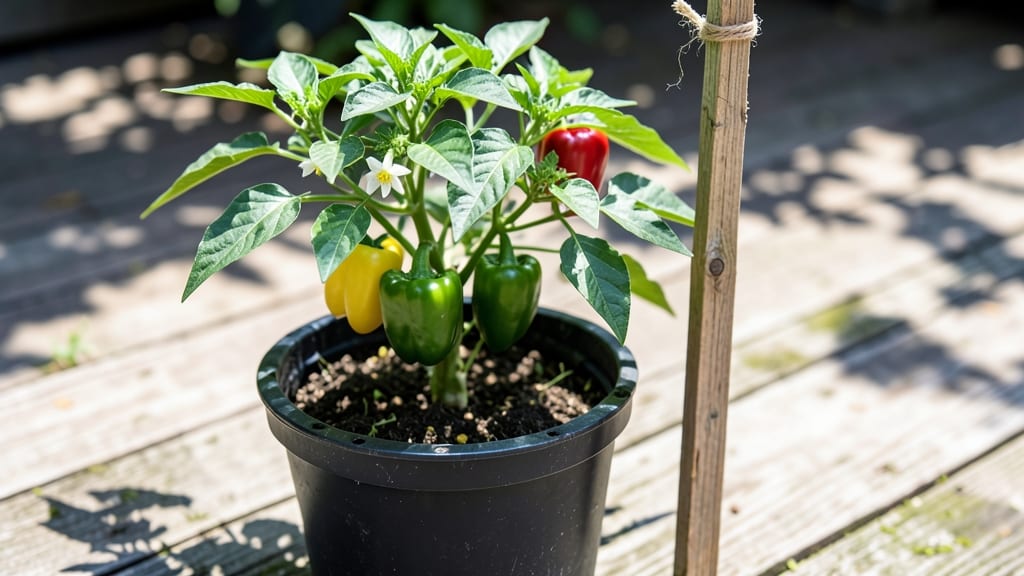
Growing bell pepper plants in containers isn’t just possible—it’s a game-changer for small spaces. 🌱 Last summer, I turned my tiny balcony into a pepper powerhouse using just five-gallon pots, and my harvest outpaced every in-ground garden I'd ever tried.
The secret lies in mimicking their natural growing conditions while working with limited room. You'll need containers at least 12 inches deep (deeper for larger varieties), well-draining soil mixed with compost, and a spot that gets 6-8 hours of direct sunlight daily.
Most beginners overlook soil temperature—peppers need warm roots (70°F+) to thrive, so wait until after the last frost or use a heat mat for early starts. Water consistently but avoid soggy soil, as peppers hate wet feet.
By mid-summer, you'll be snipping bright red, yellow, or purple peppers straight from your patio. The key is pruning to encourage bushier growth and using a balanced fertilizer every 4-6 weeks. Even my black thumb couldn't kill these—once established, they're shockingly resilient.
Works for any balcony, patio, or even sunny windowsill with the right setup. Let's get those peppers growing!
📚 In This Guide
- What you need
- Instructions
- Tips and common mistakes
- Wrapping up and next steps
What you need
- ● Containers: 5-gallon pots or larger (minimum 12–18 inches deep) with drainage holes. Pro tip: 💡 Use 3–5 containers per plant for vertical growth!
- ● High-quality potting mix: Well-draining, sterile mix (avoid garden soil—it compacts!). Look for labels like "container mix" or "pepper blend."
- ● Bell pepper seedlings: 1–2 plants per container (or 3–4 for dwarf varieties). Choose disease-resistant varieties like 'California Wonder' or 'Jalapeño M'.
- ● Slow-release fertilizer: 10–10–10 or 14–14–14 NPK ratio (follow package instructions for application).
- ○ Organic fertilizer: Fish emulsion or compost tea (optional but great for a nutrient boost!).
- ● Support system: Cage or trellis: 5–6 feet tall (for indeterminate varieties).
- ● Stakes or bamboo poles: 2–3 feet tall (for smaller varieties).
- ● Mulch: Straw or shredded leaves (to retain moisture and suppress weeds).
- ● Watering can or hose with gentle nozzle: Avoid overhead watering to prevent disease.
- ● Pruning shears: Sterilized (for trimming excess foliage or dead leaves).
- ● Sunlight: 6–8+ hours of direct sun daily (south-facing windows or full sun outdoors).
- ● Temperature: Warmth is key! Bell peppers thrive in 70–85°F (21–29°C) during the day and 60°F (15°C) or warmer at night.
- ● Water: Consistent moisture (keep soil evenly damp but not soggy).
- ○ pH level: Slightly acidic to neutral (6.0–7.0) (test kit optional but helpful!).
- ● Self-watering container: Reduces maintenance (great for busy gardeners!).
- ● Grow lights: LED or fluorescent (for indoor setups or cloudy days).
- ● Drip irrigation system: Automates watering and saves time.
- ● Epsom salt: Magnesium boost (1 tbsp per gallon of water, applied monthly).
- ● Companion plants: Basil, marigolds, or onions (deter pests naturally!).
Step-by-step instructions for growing bell peppers in containers
Here’s how to coax sweet, prolific peppers from containers—even in small spaces.
🌱 Step 1: Select Containers and Prep Soil for Strong Roots
Choose 5-gallon containers (minimum) with drainage holes—bell peppers need room for roots to spread and hold moisture. I use fabric grow bags because they prevent root circling, which is deadly for container-grown peppers. Fill each with 1/3 perlite or vermiculite for aeration, then top with high-quality potting mix enriched with compost.
Mix in 1 tablespoon of balanced fertilizer (10-10-10) per container to kickstart growth. Press the soil down lightly—you want it firm enough to support stems but loose enough for roots to penetrate. The goal is a well-draining, nutrient-rich base that mimics garden soil without compacting.
☀️ Step 2: Plant Seeds or Transplants at the Right Time
Start seeds indoors 8-10 weeks before your last frost date (they take forever to mature). Plant 2-3 seeds per container at ¼-inch depth, spacing them 2 inches apart. Use a toothpick to poke holes—it’s more precise than your finger. Cover lightly with soil, then mist gently until the surface looks damp but not soggy.
If using transplants, bury them deeper than their nursery pots—up to the first set of true leaves. This encourages stronger root development. Place containers in a warm spot (70-85°F) until germination, which takes 7-14 days. Keep the soil consistently moist but never waterlogged; peppers hate soggy feet.
💧 Step 3: Provide Heat, Light, and Consistent Moisture
Bell peppers thrive in full sun (6+ hours daily) and warmth (above 60°F). If your space lacks natural light, supplement with a grow light positioned 6 inches above the plants for 14-16 hours/day. You’ll notice leggy growth if light is insufficient—stems stretch toward the window, and leaves pale out.
Water at the soil level (not overhead) to prevent fungal diseases. Let the top inch of soil dry between waterings, but never let containers sit in saucers of water. Mulch the surface with 1 inch of straw to retain moisture and keep roots cool. Peppers are thirsty but hate wet feet—balance is key.
✂️ Step 4: Prune and Support for Bigger Harvests
Once plants reach 12 inches tall, pinch off the top set of leaves to encourage bushier growth. This redirects energy to fruit production instead of vertical stretching. Remove any suckers (small shoots in leaf axils) to prevent overcrowding—too many stems compete for nutrients and reduce yield.
Install cages or stakes as plants grow. Peppers get heavy with fruit, and flopping stems break easily. Tie main stems loosely to supports with soft plant ties, leaving room to grow. Prune yellow or diseased leaves immediately—don’t wait. Healthy foliage = more peppers.
🍅 Step 5: Harvest and Extend the Season
Pick peppers when they’re firm and fully colored—never let them overripe on the plant. Use clean pruners to snip stems, leaving a small portion attached. This encourages more fruit to set. I harvest every 3-4 days during peak season; consistency keeps plants productive.
To extend harvests, cover containers with frost cloth when nights dip below 50°F. Bring pots indoors if frost threatens—peppers are tropical and bolt at cold temps. With proper care, a single container can yield 10-20 peppers per season. Save seeds from your best peppers for next year!
Tips & tricks for perfect container-grown bell peppers
Small spaces shouldn't limit your pepper harvest—these tricks will help you maximize yield and flavor.
Container Selection: While 5-gallon containers are the minimum, I've found that 7-gallon containers actually produce 20-30% more peppers because they give roots more room to spread. Look for containers with multiple drainage holes—root rot is the silent killer of container peppers. I prefer fabric grow bags because they allow roots to breathe and prevent the dreaded root circling that stunts growth.
Soil Mix Secrets: The 1/3 perlite or vermiculite ratio is perfect, but I add an extra 1 cup of worm castings to each container for that extra nutrient boost. This isn't in the basic recipe, but it makes a noticeable difference in fruit sweetness. Press the soil firmly—just enough to support stems without compacting it completely. Think of it like giving your pepper plants a firm handshake to start their growth journey.
Lighting Hacks: Those 14-16 hours/day of light are critical, but I've discovered that moving containers every 2-3 days ensures even growth when using natural sunlight. If you're using grow lights, position them 6 inches above the plants and adjust as they grow—peppers will stretch toward the light if they're not getting enough. Watch for those telltale signs of leggy growth: long, thin stems with pale leaves reaching upward like tiny sun-worshippers.
Watering Wisdom: The top inch of soil dry rule works, but I've learned to check moisture at 2 different spots in each container—peppers can develop dry pockets even when the surface seems moist. Water at the soil level using a watering wand for gentle, even distribution. And here's a pro move: add 1 tablespoon of liquid seaweed extract to your water every 2 weeks. It's not required, but it helps plants handle stress and improves flavor—like giving your peppers a tropical vacation in every sip.
Pro Tips for Growing Bell Pepper Plants In Containers
- Small spaces shouldn't limit your pepper harvest—these tricks will help you maximize yield and flavor.
- Container Selection: While 5-gallon containers are the minimum, I've found that 7-gallon containers actually produce 20-30% more peppers because they give roots more room to spread.
- Soil Mix Secrets: The 1/3 perlite or vermiculite ratio is perfect, but I add an extra 1 cup of worm castings to each container for that extra nutrient boost.
Frequently asked questions
about growing bell peppers in containers—because even expert gardeners need a little help sometimes! Here are answers to the most common questions to keep your plants thriving.What’s the best container size for bell peppers?
Go big or go home! Bell peppers need at least 5-gallon containers (12-18 inches deep) to support their roots and fruit. Smaller pots (under 3 gallons) will stunt growth and reduce yields. If you’re short on space, opt for dwarf varieties like ‘Snackable’ or ‘Lunchbox’—they’re container superstars!
How long does it take for bell peppers to grow in containers?
From seed to harvest, plan for 60–90 days in warm climates (or 75–100 days if starting indoors). Containers warm up faster, so you might see peppers 2–4 weeks earlier than ground-grown plants. Patience pays off—just keep them well-fed and watered!
Why are my container-grown bell peppers cracking?
Cracking is usually a watering woes sign—either too much (swelling) or too little (shrinking). Maintain even moisture (1–1.5 inches of water weekly) and mulch the soil to prevent extremes. Also, avoid over-fertilizing with nitrogen—peppers need a balanced NPK ratio (10-10-10 or 5-10-10).
Can I grow bell peppers in containers indoors?
Yes, but they’re sun-worshippers—place them near a south-facing window (6+ hours of light) or use grow lights (12–16 hours/day). Indoor containers need good drainage and humidity (try a pebble tray). If your home is too dry, mist leaves lightly or use a small humidifier. Varieties like ‘Sweet Banana’ thrive indoors!
What can I plant with bell peppers in containers?
Companion planting saves space! Try these pepper-friendly pals:
- Basil – Repels pests and boosts flavor.
- Marigolds – Deter aphids and nematodes.
- Spinach or lettuce – Shallow roots won’t compete.
- Avoid fennel or beans—they stunt pepper growth.
Just keep the mix low-volume (1–2 companions per 5-gallon pot).
Wrapping up and next steps
Growing bell peppers in containers is a rewarding way to enjoy fresh, homegrown produce—even in small spaces! 🌱 With the right setup, sunlight, and care, you’ll harvest vibrant, flavorful peppers all season long.
Whether you’re a beginner or a seasoned gardener, container gardening makes it easy to experiment and expand your green thumb.
Ready to dive in? Start by choosing your containers and seeds, then follow the steps to nurture your plants. Soon, you’ll be savoring the taste of homegrown bell peppers—one delicious harvest at a time! 🍅