
How To
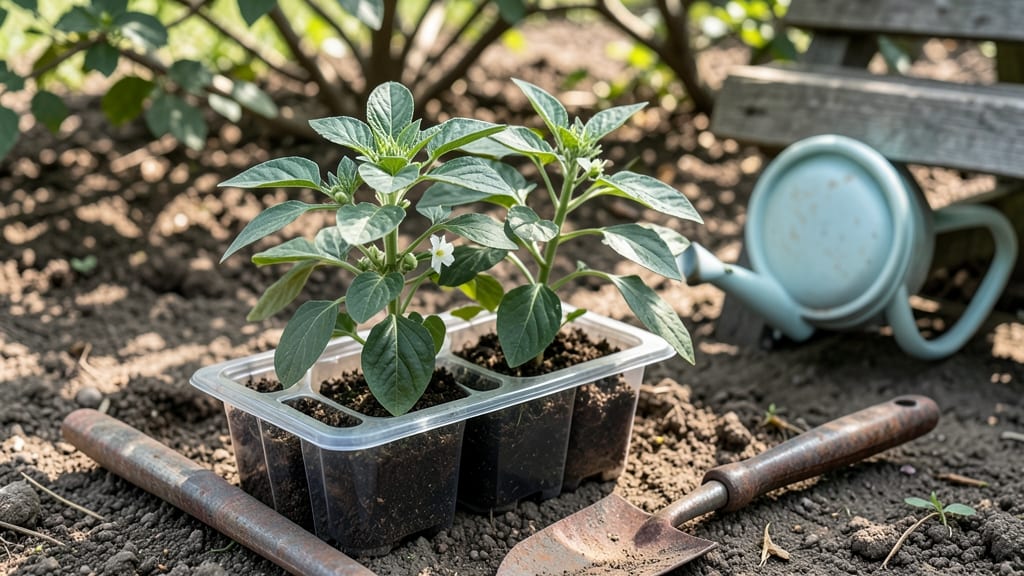
Transplanting pepper seedlings at the right depth is the key to strong roots and a bountiful harvest 🌶️—bury them too shallow, and they’ll struggle; too deep, and you’ll smother their growth.
Most gardeners assume "deeper is better," but pepper seedlings need just enough soil to stabilize them without cutting off airflow or stunting their stems. One wrong move, and you’re staring at leggy plants or—worse—rotting stems.
In this guide, I’ll break down the exact depth for each seedling stage (from tiny cotyledons to sturdy transplants), plus how to adjust for your soil type and climate. You’ll also learn the 3 biggest transplanting mistakes that kill seedlings—and how to fix them before it’s too late.
Ready to dig in? By the end, you’ll know exactly how deep to plant your peppers for a thriving garden, no guesswork required.


Optimal transplanting depth for pepper seedlings by seedling age and size
Getting the transplanting depth right for your pepper seedlings is one of the most critical steps to ensure strong root development and a bountiful harvest. Unlike many plants, peppers are sensitive to both over-burying and under-planting, which can lead to stem rot or poor anchorage.
The ideal depth depends on the seedling age and size, as younger plants have different needs than mature seedlings ready for the garden.
For cotyledon-stage seedlings (those with only seed leaves but no true leaves), the goal is to preserve the delicate stem while encouraging root growth. As seedlings mature and develop first true leaves, you can gradually increase the depth to support their growing root systems.
By the time they're transplant-ready, most pepper seedlings should be buried just below the first set of true leaves to maximize stability without risking stem rot.
Here’s a science-backed guide to help you determine the perfect transplanting depth for each stage of your pepper seedlings, along with tips for measuring correctly to avoid common pitfalls.
When transplanting cotyledon-stage seedlings, aim for a depth of just 1/4 inch (0.6 cm). At this stage, their roots are barely developed, and burying them too deep can suffocate the stem.
Use a small trowel to create a shallow hole, gently place the seedling in, and cover it lightly with soil. This minimal depth allows the delicate roots to spread outward without restriction while keeping the stem above potential waterlogging.
As your seedlings grow to the first true leaves stage, increase the depth to 1/2 inch (1.3 cm). This extra depth provides stability and encourages the development of lateral roots, which will branch out from the main stem.
To measure correctly, hold the seedling by its leaves and align the soil line with your finger—this ensures you’re not burying the stem too deeply. A gentle pat around the base will help settle the soil without compacting it.
For transplant-ready seedlings with 3+ true leaves, the ideal depth is 3/4 inch (2 cm). At this point, the root system is more robust, and this depth supports better anchorage while still allowing the stem to remain upright.
Use your finger to mark the depth before digging the hole—this prevents over-burying, which can lead to stem rot or weak growth. If your seedlings are in small pots, gently squeeze the sides to encourage roots to grow outward before transplanting.
Mature seedlings (those 4+ weeks old with a well-developed root ball) can handle a depth of 1 inch (2.5 cm). This deeper planting supports the plant’s increased weight and encourages the growth of secondary roots along the buried stem.
To avoid shocking the plant, water it thoroughly the day before transplanting. This keeps the root ball intact and makes it easier to slide the seedling into the hole without damaging delicate roots.
One common mistake is using the stem base as the reference point for depth, which often leads to over-burying. Instead, always measure from the original soil line in the seedling’s container.
If you’re unsure, gently remove the seedling from its pot and inspect the root system—healthy roots should be white or light tan, not dark or mushy.
Burying the stem too deep can create a water trap, while planting too shallowly leaves the stem vulnerable to temperature fluctuations and wind damage.
After transplanting, water the seedlings deeply to help settle the soil and encourage root contact with the surrounding earth. Avoid fertilizing immediately, as new roots are sensitive to high nutrient levels. Instead, wait 1-2 weeks to allow the roots to establish before applying a balanced fertilizer.
Mulching around the base with straw or shredded leaves helps retain moisture and regulates soil temperature, further supporting healthy root development.
Remember, the key to successful transplanting lies in observation and patience. Each pepper variety may have slight variations in growth rate, so adjust your depth based on the seedling’s size and root development.
With the right depth, your pepper seedlings will thrive, leading to a vibrant harvest of flavorful peppers all season long. 🌱
Common mistakes that kill pepper seedlings during transplanting (and how to avoid them)
Transplanting pepper seedlings is a delicate process where small errors can have big consequences. One of the most common mistakes is planting them at the wrong depth, which can lead to stunted growth or even death.
I’ve seen gardeners accidentally bury stems too deep or leave too much exposed, both of which stress the plant and slow its development.
Another critical error is transplanting when soil temperatures are too low. Pepper seedlings need warm soil—ideally 60°F or above—to establish strong roots. Cold soil shocks the roots and can prevent the plant from thriving.
Even experienced gardeners sometimes rush the process and end up with weak seedlings that never recover.
Let’s address these mistakes head-on with practical solutions. The key is understanding how to adjust for your specific conditions and seedling stage. For example, young seedlings with just cotyledons (first leaves) need shallower planting than mature ones with true leaves.
Getting this right ensures your peppers grow strong and healthy.
⚠️ Wrong Transplanting Depth = Dead Seedlings
Pepper seedlings should be planted so that only the top set of leaves (the first true leaves) are above soil level. Burying the stem too deep can cause rot, while planting too shallow exposes roots to drying out.
The ideal depth is 1/3 to 1/2 inch below soil level for the stem, with the soil firming gently around the roots.
Pro Tip: Use your finger to create a small hole—just deep enough to cover the stem up to the first true leaves. Gently press soil around the base to secure the seedling without compacting the roots.
Exposing the roots during transplanting is another silent killer. When you pull seedlings from their trays, the delicate root systems can dry out or get damaged. To avoid this, always water the seedlings 24 hours before transplanting to keep roots plump and resilient.
A light misting right before planting also helps maintain moisture while you work.
Timing is everything when it comes to soil temperatures. Use a soil thermometer to check conditions—peppers won’t thrive in soil below 55°F. If your soil is too cold, wait a few days or use black plastic mulch to warm it up faster.
I’ve found that even a 10°F difference can mean the difference between thriving seedlings and a failed crop.
Finally, don’t forget to harden off your seedlings before transplanting. This means gradually exposing them to outdoor conditions over 7-10 days to reduce shock. Start with a few hours of sunlight and slowly increase the time. Hardened-off seedlings adapt better and recover faster from transplant stress.
By avoiding these common mistakes—wrong depth, cold soil, exposed roots, and poor timing—you’ll give your pepper seedlings the best chance to grow into strong, productive plants. With the right care, you’ll be harvesting peppers in no time! 🌱🌿