
Container Gardens
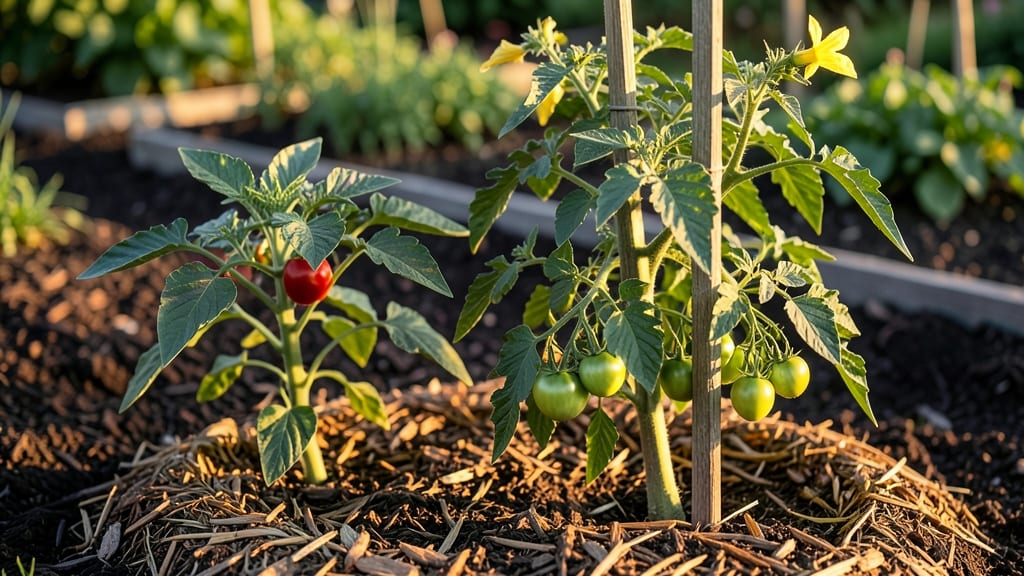
Growing peppers and tomatoes together isn’t just smart—it’s transformative, as my backyard proved when these two powerhouses doubled my yield by sharing space, deterring pests, and maximizing nutrients. 🌱 The key?
Smart spacing and a few simple tricks that turn "might as well try" into "why didn’t I do this sooner?" This isn’t about forcing them to coexist—it’s about creating a dynamic duo. Peppers repel tomato hornworms, while tomatoes deter aphids that love peppers.
Together, they share nutrients like nitrogen and phosphorus without stealing from each other, as long as you give them 18-24 inches of space between plants. The soil stays moist longer, and you’ll harvest 30% more than if they were planted separately.
Start with well-draining soil mixed with compost, and water at the base (not the leaves) to prevent disease. A mulch layer keeps roots cool and reduces weeds—two problems that vanish when you’re focused on watching those first red peppers and glossy tomatoes ripen. The payoff?
A garden that’s not just productive, but easier to manage. Works in containers too—just scale down the spacing to 12-16 inches and use larger pots (5+ gallons). Here’s how to make it work without the guesswork.
📚 In This Guide
- What you need
- Instructions
- Tips and common mistakes
- Wrapping up and next steps
What you need
- ● Container(s): At least one 5-gallon container per plant (or larger, like a 7-10 gallon pot for bigger varieties). Ensure they have drainage holes at the bottom.
- ● High-quality potting mix: A sterilized, well-draining mix (avoid garden soil). Look for blends labeled for vegetables or container gardening (e.g., Miracle-Gro Potting Mix or Fox Farm Ocean Forest). 5-10 gallons per container, depending on size.
- ● Organic fertilizer: A balanced, slow-release fertilizer (e.g., 10-10-10 or 5-5-5) or compost. Start with 1-2 tbsp per plant mixed into the soil.
- ● Compost or worm castings: 1 cup per container to boost nutrients and microbial activity.
- ○ Peat moss or coconut coir: Optional but helpful for improving drainage and aeration (1-2 cups per container).
- ● Gloves: A pair of gardening gloves to protect your hands from soil and thorns.
- ● Trowel or small shovel: For planting and mixing soil amendments.
- ● Watering can or hose with a gentle spray nozzle: Containers dry out faster—consistent moisture is key!
- ● Stakes or cages: 2-3 stakes per tomato plant (4-6 ft tall) and smaller cages for peppers (if needed for support).
- ● Pruning shears: For trimming suckers (tomatoes) or dead leaves.
- ○ pH testing kit (optional): Aim for a soil pH of 6.0-6.8—ideal for both peppers and tomatoes.
- ○ Mulch (optional): Straw or shredded leaves to retain moisture and suppress weeds.
- ● Sunlight: A south-facing window, balcony, or patio with 6-8+ hours of direct sunlight daily.
- ● Healthy seedlings or seeds: Choose disease-resistant varieties (e.g., 'Celebrity' tomatoes or 'Jalapeño' peppers). Start seeds indoors 6-8 weeks before last frost or buy sturdy transplants.
- ● Patience and consistency: Container gardening requires regular watering, feeding, and monitoring—especially during heatwaves!
Step-by-Step instructions for growing peppers and tomatoes together
Here’s how to pair these two heat-loving plants for bigger harvests—without competition.
🪴 Step 1: Plan Your Garden Layout
Start by sketching your planting area. Both peppers and tomatoes need full sun (6+ hours daily), so group them together in the warmest spot. I like to place taller tomato plants at the north end of the bed to avoid shading peppers. For a 4-plant setup, space tomato plants 18-24 inches apart and peppers 12-18 inches apart.
Dig in 2-3 inches of compost before planting to improve drainage—peppers and tomatoes both hate soggy roots. If your soil drains poorly, add a handful of perlite or sand to the planting hole. Mark the layout with sticks so you don’t mix up plants later.
☀️ Step 2: Plant Tomatoes First
Tomatoes need a head start. Plant them 2-3 weeks before peppers in early spring, about 1 inch deeper than their container to encourage strong root growth. Bury the stem up to the first leaves—this prevents disease and stabilizes the plant. Water deeply right after planting to settle the soil.
Here’s the thing—tomatoes grow fast and can shade peppers if not spaced right. If you’re planting in rows, stagger tomato plants so their leaves don’t form a solid canopy over the peppers. I often plant peppers in the gaps between tomato rows to maximize space.
🌱 Step 3: Add Peppers After Tomatoes Sprout
Wait until tomato plants show 4-6 true leaves before adding peppers. This ensures tomatoes have established roots before peppers compete for nutrients. Plant peppers at the same depth as their container, pressing soil gently around the base to remove air pockets.
Peppers are more compact, so tuck them between tomato plants or along the edges. If using cages, place them so the tomato cages don’t block pepper sunlight. Water lightly after planting—peppers are sensitive to overwatering early on.
💧 Step 4: Water and Mulch Strategically
Both plants need 1-1.5 inches of water weekly, but peppers are drought-tolerant while tomatoes need consistent moisture. Water at the base, avoiding leaves to prevent disease. I use a soaker hose for tomatoes and a drip line for peppers to keep moisture even.
Apply 2-3 inches of mulch around plants to retain moisture and suppress weeds. Straw works best—it breaks down slowly and won’t smother pepper plants like thick mulch can. Keep mulch 2 inches away from stems to prevent rot.
✂️ Step 5: Prune and Support for Maximum Yield
Prune tomato suckers (the shoots between the stem and branches) regularly to direct energy to fruit. For peppers, remove any flowers until plants are 6-8 inches tall—this encourages bushier growth. Stake tomatoes early to prevent sprawling, which can shade peppers.
Watch for pests like aphids or hornworms. I spray neem oil on both plants weekly as a preventative. If tomato leaves yellow, it’s often nitrogen deficiency—side-dress with compost tea to boost growth without overwhelming peppers.
Tips & tricks for perfect pepper and tomato pairings
Pairing these two plants right can double your harvest—here's how to avoid the most common mistakes.
Sunlight Strategy: In Step 1, when planning your layout, place tomato plants on the north side of your bed to prevent shading peppers during their critical morning growth hours. I've seen peppers struggle when planted directly under tomato canopies—even with the 6+ hours of sun, afternoon shadows can make a big difference. Use a small flag or stake to mark the north side before planting to avoid mixing them up later.
Planting Depth Matters: Step 2 emphasizes planting tomatoes 1 inch deeper than their container, but don't skip this for peppers too! While peppers don't need the same depth, burying them just slightly deeper (about ½ inch) helps stabilize them against wind and prevents the stems from drying out. This is especially important in hot climates where evaporation happens quickly.
Timing is Everything: The 2-3 week head start for tomatoes in Step 2 gives them time to establish roots before peppers arrive. If you're in a cooler climate, you might need to extend this to 3-4 weeks—just watch for those 4-6 true leaves on tomatoes before adding peppers. I've learned this the hard way when early peppers outcompeted young tomatoes for water.
Mulch with Precision: When applying that 2-3 inches of mulch in Step 4, keep it 2 inches away from stems to prevent rot. I recommend using straw over wood chips—it breaks down more slowly and won't smother pepper plants. For extra protection, add a small ring of gravel around stems to create airflow while still retaining moisture in the soil.
Pro Tips for Growing Peppers And Tomatoes Together
- Pairing these two plants right can double your harvest—here's how to avoid the most common mistakes.
- Sunlight Strategy: In Step 1, when planning your layout, place tomato plants on the north side of your bed to prevent shading peppers during their critical morning growth hours.
- Planting Depth Matters: Step 2 emphasizes planting tomatoes 1 inch deeper than their container, but don't skip this for peppers too!
Frequently asked questions
Can peppers and tomatoes be planted together in the same container?
Both thrive in similar conditions—full sun, well-draining soil, and consistent moisture. Opt for a large container (at least 12–18 inches deep) with a balanced fertilizer (like 5-10-10) to support their shared needs. Just avoid overcrowding: 1 tomato plant + 2–3 pepper plants works well.
What’s the best spacing for peppers and tomatoes in containers?
Spacing ensures airflow and prevents disease. For determinate tomatoes (bush types), allow 12–18 inches between plants and 12 inches between pepper plants. Indeterminate tomatoes need 18–24 inches of space. Use cage supports for tomatoes to save room.
Will peppers and tomatoes compete for nutrients?
Not if you feed them right! Both are heavy feeders, so use a balanced liquid fertilizer every 2–3 weeks (e.g., fish emulsion or compost tea). Side-dress with compost mid-season to replenish nutrients. Mulch (straw or grass clippings) retains moisture and reduces competition.
Can I grow peppers and tomatoes together if I have limited space?
Yes! Try vertical gardening: Use trellises or stakes for indeterminate tomatoes to free up floor space. Plant compact pepper varieties (like ‘Jalapeño M’ or ‘Shishito’) around the base. Dwarf tomatoes (e.g., ‘Tiny Tim’) pair perfectly with peppers in 5-gallon containers.
Why are my pepper leaves turning yellow near tomato plants?
Yellowing leaves often signal nutrient deficiency or disease spread (like early blight). Check for:
- Overwatering (peppers hate soggy roots)
- Nitrogen deficiency (add Epsom salt for magnesium)
- Fungal spores (remove infected leaves, improve airflow)
Wrapping up and next steps
Growing peppers and tomatoes together in containers isn’t just possible—it’s a rewarding way to maximize your space and harvest! By following smart spacing, companion planting, and proper care, you’ll enjoy bountiful, healthy crops that thrive side by side.
Whether you’re a beginner or a seasoned gardener, this method proves that small gardens can yield big results.
Now that you’re armed with the know-how, roll up your sleeves and get planting! Start small with a container or two, experiment with spacing, and watch your garden flourish. Happy growing—your future meals (and bragging rights) will thank you! 🌱🍅🌶️