
Container Gardens
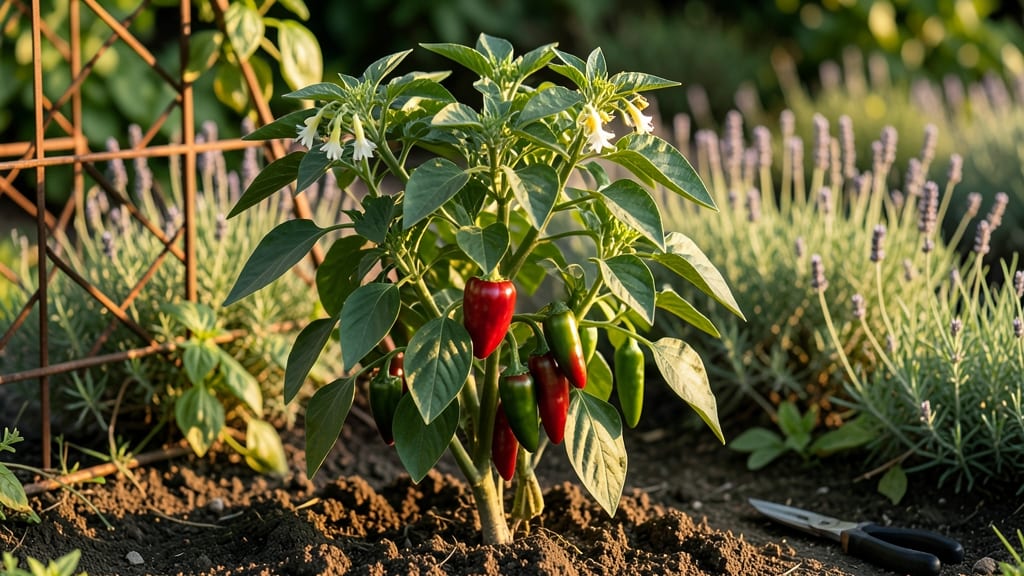
Growing pimento peppers is easy—just plant these sweet, compact varieties to enjoy that signature heat in stuffed olives and roasted red peppers, minus the bitterness. 🌱 They thrive in containers or garden beds, perfect for small spaces or urban balconies where larger peppers won’t fit. fit.
The secret lies in mimicking their native tropical conditions while keeping them manageable in size, so you get plenty of fruit without sacrificing flavor or space. Start with well-draining soil rich in organic matter, and place them in a spot where they’ll receive 6-8 hours of direct sunlight daily.
Since pimentos are sensitive to cold, wait until after your last frost date or start seeds indoors 8-10 weeks before transplanting. They’re also surprisingly drought-tolerant once established, but consistent moisture during flowering and fruiting ensures those signature red peppers develop without cracking or deformities.
By mid-summer, you’ll be harvesting peppers that pack mild, fruity heat—ideal for stuffing, pickling, or drying. A single plant can produce 50-100 peppers per season, and the more you harvest, the more the plant focuses on fruiting.
Pair them with basil or onions to repel pests naturally, and prune lightly to encourage bushier growth and better air circulation. This variety adapts well to USDA Zones 9-11, but with proper winter care (like moving containers indoors), you can grow them in cooler climates too.
The key is patience—pimentos take 80-90 days to mature, but the wait is worth every sweet, spicy bite.
📚 In This Guide
- What you need
- Instructions
- Tips and common mistakes
- Wrapping up and next steps
What you need
- ● Pimento Pepper Seeds: 5–10 seeds (or 1–2 starter plants from a nursery)
- ● Recommended varieties: ‘Sweet Pimento,’ ‘Pimiento de Padrón,’ or ‘California Wonder’
- ● Containers: 1–2 5-gallon pots (or larger) with drainage holes
- ● Alternative: Fabric grow bags (10–12 inches deep)
- ● Potting Mix: 1 bag (1–2 cubic feet) of well-draining, sterile potting soil (avoid garden soil)
- ○ Optional boost: Mix in 10% perlite or vermiculite for aeration
- ● Fertilizer: Balanced organic fertilizer (e.g., 5-5-5 or 10-10-10, diluted to half-strength)
- ● Slow-release option: 1 cup of composted worm castings per pot
- ● Tools: Hand trowel or small shovel
- ● Spray bottle (for watering seedlings)
- ● Pruning shears (for harvesting and shaping)
- ○ Gloves (optional, but handy for thorny stems!)
- ● Sunlight: Full sun (6–8+ hours daily). Use a grow light if indoors.
- ● Temperature: Warmth is key! Ideal range: 70–90°F (21–32°C).
- ● Water: Keep soil consistently moist but not soggy (pimento peppers hate wet feet!).
- ● Patience: Germination takes 10–20 days; harvest-ready in 80–100 days.
- ● Copper tape (to deter pests like aphids)
- ● Fish emulsion (for a nitrogen boost during flowering)
- ● Cauliflower cages or tomato stakes (if plants get top-heavy)
- ● pH test kit (aim for 6.0–7.0 soil pH)
Step-by-step guide to growing pimento peppers
Here's how I grow sweet, heat-packed pimento peppers without the bitterness—perfect for stuffing, sauces, or pickling.
🌱 Step 1: Start Seeds Indoors for Early Production
Pimento peppers thrive with a long growing season, so I start seeds indoors 8-10 weeks before the last frost. Use biodegradable seedling pots (3 inches deep) filled with sterile seed-starting mix—never garden soil, which can harbor diseases like damping-off. Moisten the mix until it feels like a damp sponge, then press it down gently to remove air pockets.
Plant 2-3 seeds per pot at a depth of ¼ inch, just below the soil surface. Cover lightly with additional mix and mist the surface with water until evenly damp. Place the pots in a seedling heat mat set to 75-85°F—this warmth triggers faster germination. Expect sprouts in 10-14 days, but don’t be surprised if it takes longer in cooler homes.
☀️ Step 2: Provide Bright, Consistent Light
The moment seedlings emerge, move them under a full-spectrum LED grow light positioned 2-3 inches above the plants. Pimento peppers need 14-16 hours of light daily to prevent leggy growth. You’ll know the light is working if seedlings grow thick stems and deep green leaves—not stretched or pale. Adjust the light height weekly as plants grow, keeping it close enough to avoid elongation.
Rotate the pots a quarter turn daily so plants grow straight instead of leaning toward the light. If you notice seedlings bending toward one side, your light source isn’t centered. Strong seedlings will have compact spacing between leaves and no gaps in foliage—this means they’re getting exactly what they need.
🪴 Step 3: Transplant Outdoors After Frost
Wait until soil temperatures reach at least 65°F before transplanting—pimento peppers won’t tolerate cold. Harden off seedlings by placing them outside in a sheltered spot for 1-2 hours the first day, then gradually increase exposure over 7-10 days. Transplant after the last frost, spacing plants 18-24 inches apart in full sun (6+ hours daily). Dig a hole twice as wide as the root ball to encourage root spread.
Mix 1 cup of compost into the planting hole to boost nutrients, then water deeply at the base. Avoid wetting leaves—this reduces disease risk. Mulch around the base with 2 inches of straw to retain moisture and suppress weeds. You’ll see new growth within 7-10 days, signaling the plant has established roots.
💧 Step 4: Water and Fertilize for Maximum Yield
Pimento peppers need consistent moisture—water deeply once a week (or more in extreme heat) until the top 2 inches of soil feel dry. Water at the base in the morning to prevent fungal issues. Overwatering causes blossom-end rot, so always check soil moisture before adding more. A drip irrigation system works best for even watering without wetting foliage.
Fertilize every 4-6 weeks with a balanced organic fertilizer (10-10-10). Stop fertilizing 4-6 weeks before harvest to avoid bitter flavors. Prune suckers (the shoots that form in the leaf axils) to direct energy to fruit production. You’ll know you’re on track when plants produce white flowers—each one has the potential to become a sweet, heat-packed pepper.
Tips & tricks for perfect pimento pepper growth
These simple strategies will help you cultivate sweet, flavorful pimento peppers that avoid bitterness and thrive in your garden.
Seedling Heat Mat Precision: The 75-85°F range on your heat mat is critical—this mimics tropical conditions where pimento peppers originate. If your home stays cooler than 70°F, consider using a small greenhouse tent over your seedling pots to maintain consistent warmth. I've seen germination times stretch to 21 days in cooler conditions, so don't rush it. The extra patience pays off with stronger seedlings that handle transplanting better.
Lighting Technique: Those 14-16 hours of daily light are non-negotiable for preventing leggy growth. I recommend setting a timer for your grow lights to automate this—pimento peppers won't tolerate inconsistent light cycles. Watch for the compact leaf spacing mentioned in Step 2; this is your visual confirmation the light intensity is perfect. If you notice leaves stretching toward the light, lower it another inch or switch to a higher-wattage bulb.
Transplanting Timing: The 7-10 day hardening-off period is where many gardeners cut corners. I've seen seedlings shock and wilt when moved too quickly to outdoor conditions. Start with just 1-2 hours on day one, then increase by 1-2 hours each subsequent day. Pay attention to cloudy days—reduce exposure time if temperatures drop below 65°F during hardening off, as cold stress weakens seedlings before they even reach the garden.
Soil Temperature Check: Before transplanting, use a soil thermometer to verify your garden soil has reached at least 65°F—this is more reliable than air temperature readings. I've planted pimento peppers in soil that felt warm to the touch but registered 58°F with a thermometer, and the plants struggled for weeks. The 1 cup of compost you mix into the planting hole provides essential nutrients, but don't substitute it with fresh manure—it can burn tender roots and introduce pathogens.
Pro Tips for Growing Pimento Peppers
- These simple strategies will help you cultivate sweet, flavorful pimento peppers that avoid bitterness and thrive in your garden.
- Seedling Heat Mat Precision: The 75-85°F range on your heat mat is critical—this mimics tropical conditions where pimento peppers originate.
- Lighting Technique: Those 14-16 hours of daily light are non-negotiable for preventing leggy growth.
Frequently asked questions
Got questions about growing your own pimento peppers? You’re not alone—these sweet, heat-free gems have their quirks! Here are answers to the most common questions to help you cultivate a thriving crop.
How long does it take for pimento peppers to grow and produce fruit?
Pimento peppers typically take 70–90 days from transplanting to harvest, depending on your climate and variety. Start seeds indoors 8–10 weeks before the last frost for a head start. With warm weather and proper care, you can enjoy fresh peppers by mid-to-late summer! Pro tip: Use row covers early in the season to protect tender plants from chilly nights.
Can pimento peppers grow in containers, and what size pot do they need?
Pimento peppers thrive in containers as long as the pot is at least 12–18 inches deep and wide. A 5-gallon bucket or large fabric grow bag works well. Ensure the pot has drainage holes and use a lightweight, well-draining potting mix. Pro tip: Place containers in a sunny spot (6+ hours of direct sunlight daily) and fertilize every 2–3 weeks for bigger yields.
Why are my pimento pepper plants dropping flowers or fruit?
Flower or fruit drop is often caused by temperature stress (below 60°F or above 90°F), lack of pollination, or inconsistent watering. Hand-pollinate flowers with a small brush if bees are scarce, and keep soil consistently moist (not soggy). Mulch around plants to stabilize soil temps. Pro tip: Avoid over-fertilizing with nitrogen—too much can reduce fruiting.
Are pimento peppers the same as bell peppers? Can I substitute them?
No, they’re not the same! Pimento peppers are smaller, sweeter, and less bitter than bell peppers, with a unique, slightly tangy flavor. While you can substitute them in recipes (like stuffing or pickling), pimentos add a distinctive, mild heat-free kick that bells lack. For best results, use pimentos fresh or dried in dishes where their flavor shines, like pimento cheese or stuffed peppers.
What pests or diseases should I watch for when growing pimento peppers?
Common pests include aphids, spider mites, and hornworms, while diseases like powdery mildew or bacterial spot can strike in humid conditions. Preventative tips:
- Inspect leaves regularly for chewed edges or sticky residue.
- Water at the base (avoid wetting foliage to reduce mildew).
- Use neem oil or insecticidal soap for mild infestations.
- Remove affected leaves promptly to stop spread.
Wrapping up and next steps
Growing pimento peppers in your container garden isn’t just rewarding—it’s a flavor-packed adventure! 🌱 With the right soil mix, sunlight, and patience, you’ll harvest sweet, aromatic peppers perfect for stuffing, sauces, or pickling.
Start small, stay consistent, and soon you’ll be enjoying homegrown heat (and sweetness!) that beats store-bought any day.
Ready to take the next step? Snag a few seeds or seedlings, grab your containers, and let your green thumb shine—your kitchen (and taste buds) will thank you! 🍽️