
Container Gardens
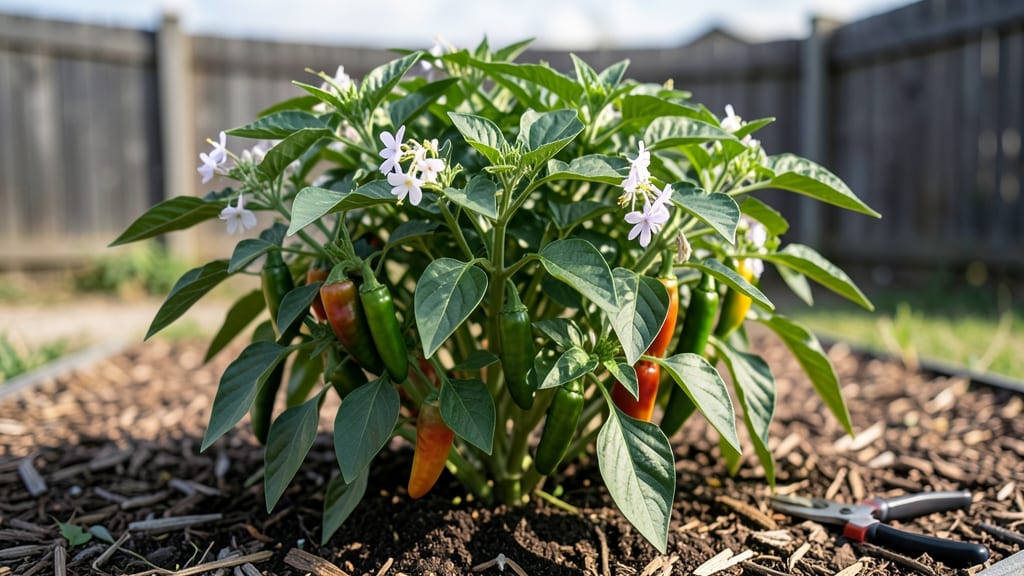
Growing serrano peppers in containers can deliver surprising heat—if you avoid my rookie mistake of cramming them into a pint-sized pot. 🌶️ The secret? 5-gallon containers with proper drainage, not just any old planter.
You’ll need well-draining soil mixed with compost, 6-8 hours of direct sun daily, and consistent watering—never soggy soil. Serrano plants thrive in heat, but they’ll reward you with 3-4 inches of fiery peppers if you keep them happy. Prune regularly to encourage bushier growth and better airflow.
By summer’s end, you’ll be harvesting enough for salsas, hot sauces, or sharing with neighbors (who’ll either love you or flee). The best part? No garden space needed—just a sunny balcony or patio. Let’s get those peppers growing!
Start with quality seeds or seedlings from a trusted source—avoid big-box store plants that might be diseased. Serrano peppers grow 2-3 feet tall, so choose containers with at least 12 inches of depth to prevent root binding. A south-facing spot works best, but west-facing also works in cooler climates.
Fertilize lightly every 4-6 weeks with a balanced organic fertilizer. Too much nitrogen = leafy monsters, not peppers. Watch for pests like aphids—spray with neem oil if you spot them. Pollination can be tricky in containers, so gently shake plants or use a small brush to help.
Harvest when peppers reach your preferred heat level—green for milder flavor, red for full spice. Pick regularly to encourage more production. My first container crop gave me enough peppers for 20 jars of hot sauce, and I only used half the space of my in-ground garden.
Container growing means you can move plants to chase sunlight or protect them from late frosts. No more wasted space or soil-borne diseases from the ground. Just pure, portable heat!
📚 In This Guide
- What you need
- Instructions
- Tips and common mistakes
- Wrapping up and next steps
What you need
- ● Containers: 5-gallon pots or larger (at least 12-18 inches deep for each plant). Use fabric grow bags, plastic pots with drainage holes, or wooden barrels.
- ● High-quality potting mix: 10-20 lbs of well-draining, organic potting soil (avoid garden soil—it compacts!). Mix in perlite or vermiculite (10-20%) for aeration.
- ● Serrano pepper seeds or seedlings: 3-5 plants per container (if growing multiple in one pot) or 1 plant per 5-gallon container. Choose disease-resistant varieties like ‘Mad Dog’ or ‘Chocolate Serrano’.
- ● Drainage system: Pebbles, broken pottery, or a 2-inch layer of gravel at the bottom of each container.
- ● Fertilizer: Balanced, water-soluble fertilizer (10-10-10 or 20-20-20) or slow-release granules. Start with 1 tbsp per plant at planting.
- ● Watering can or hose with a gentle spray nozzle: Serrano peppers hate soggy roots—avoid overhead watering to prevent disease.
- ○ Support (optional but helpful): Cage, trellis, or stakes (serranos can grow 1-2 feet tall and benefit from vertical support).
- ● Mulch: Straw or shredded leaves to retain moisture and regulate soil temp.
- ● pH testing kit: Serrano peppers thrive in slightly acidic soil (6.0-6.8 pH). Adjust with lime (to raise pH) or sulfur (to lower pH) if needed.
- ● Compost or worm castings: 1 cup per plant mixed into soil for extra nutrients.
- ● Shade cloth (30-50% coverage): For hot climates to protect plants from scorching.
- ● Pruning shears: For harvesting and shaping plants (sterilize with rubbing alcohol!).
Step-by-step instructions for growing serrano peppers in containers
Here’s how to cultivate fiery serrano peppers in pots—no garden required.
🌱 Step 1: Select the Right Containers and Soil Mix
Serrano peppers need 5-gallon containers minimum per plant to support their vigorous root systems. Choose pots with drainage holes—serranos hate soggy feet. I use terra cotta because it breathes and prevents root rot in hot climates.
Fill each pot with a well-draining potting mix blended with 20% perlite or vermiculite. Avoid garden soil—it compacts and suffocates roots. Add a handful of compost for nutrients, then moisten the mix until it’s damp but not dripping. The goal is a fluffy, airy medium that mimics their native volcanic soil.
☀️ Step 2: Plant Seeds or Transplants at the Right Time
Start seeds indoors 8-10 weeks before your last frost or buy sturdy transplants from a nursery. Serrano peppers thrive in warm soil (70-85°F)—if your spring is chilly, use a heat mat to warm the soil before planting.
Plant seeds ¼ inch deep, two per pot, then thin to one strong seedling once they sprout. For transplants, dig a hole twice as wide as the root ball and place the plant so the top of the root ball sits ½ inch below the rim. This prevents soil from spilling out when you water.
💧 Step 3: Water and Fertilize for Maximum Heat
Water deeply every 2-3 days, letting the top 1-2 inches of soil dry between waterings. Overwatering dilutes the capsaicin—the compound that makes them spicy—so consistency matters. Use a moisture meter if your thumb can’t tell dry from damp.
Feed plants every 2 weeks with a balanced liquid fertilizer (10-10-10) once they flower. Switch to a low-nitrogen, high-phosphorus (5-10-10) fertilizer when fruit sets to boost heat production. I also sprinkle crushed eggshells around the base for calcium—this prevents blossom-end rot, a common issue with peppers.
✂️ Step 4: Prune and Support for Bigger Harvests
Pinch off the first few flowers to encourage bushier growth. Once the plant is established, prune side shoots to improve air circulation and reduce disease risk. Use tomato cages or bamboo stakes to support heavy fruit loads—serranos can get top-heavy.
Harvest when peppers are green and firm (mild heat) or let them turn red for maximum spice. Cut stems with scissors to avoid damaging the plant. The more you pick, the more your plant produces—so check daily during peak season.
🌿 Step 5: Extend the Season with Simple Tricks
Serranos love heat but can’t handle frost. If your fall cools down, move pots to a sunny indoor spot near a south-facing window. Supplement with a grow light if natural light drops below 6 hours daily. Keep temperatures above 55°F to prevent stunted growth.
At season’s end, let a few peppers ripen fully on the plant. Save seeds from the hottest peppers to grow next year’s batch—just dry them completely before storing. With the right care, your containers will keep producing until a hard frost stops them cold.
Tips & tricks for perfect container-grown serrano peppers
Here's what nobody tells you about growing fiery serrano peppers in containers—tricks that'll make all the difference between a decent harvest and a truly explosive one.
Container Size Matters: While the instructions call for 5-gallon containers, I've found that 7-gallon pots give your serrano peppers more room to thrive, especially if you're growing more than one plant. The extra space prevents root competition and allows for better nutrient uptake, which translates to hotter peppers. If you're limited to 5-gallon pots, consider using self-watering containers—they help maintain consistent moisture without overwatering, which is critical for capsaicin development.
Soil Temperature Secret: The instructions mention warm soil (70-85°F), but here's the thing: soil temperature matters more than air temperature. I use a simple soil thermometer to monitor temps—if it drops below 70°F, my serranos slow down dramatically. For early spring plantings, I wrap the bottom of my pots with bubble wrap to insulate against cold ground temps. This little trick can shave weeks off your growing season.
Fertilizer Timing Trick: When the instructions say to switch to low-nitrogen, high-phosphorus fertilizer (5-10-10) at fruit set, here's what I do differently: I start the transition when I see the first flower buds appear, not when fruit actually sets. This gives your plants a head start on producing those heat-boosting compounds. And pro tip—mix your fertilizer with water and apply it directly to the soil surface rather than pouring it around the base. This prevents root burn and ensures even distribution.
Harvesting Strategy: The instructions mention harvesting when peppers are green or red, but here's my approach: I harvest my serranos when they're about 75% of their final size. This prevents overcrowding on the plant and actually increases the number of peppers you'll get. Plus, harvesting at this stage gives you a steady supply of peppers at their peak heat level—those partially ripe peppers pack serious punch. Just be sure to use clean, sharp scissors and cut the stem cleanly to avoid damaging the plant.
Pro Tips for Growing Serrano Peppers In Containers
- Here's what nobody tells you about growing fiery serrano peppers in containers—tricks that'll make all the difference between a decent harvest and a truly explosive one.
- Container Size Matters: While the instructions call for 5-gallon containers, I've found that 7-gallon pots give your serrano peppers more room to thrive, especially if you're growing more than one plant.
- Soil Temperature Secret: The instructions mention warm soil (70-85°F), but here's the thing: soil temperature matters more than air temperature.
Frequently asked questions
Can serrano peppers grow well in containers?
Serrano peppers thrive in containers as long as the pot is at least 5 gallons (for 1-2 plants) and has drainage holes. They love warmth, sunlight, and well-draining soil—just mimic their natural tropical environment. With proper care, you’ll get bold, spicy harvests even in small spaces!
How long does it take for serrano peppers to grow in containers?
From seed to harvest, expect 80–120 days under ideal conditions. Transplanted seedlings may fruit faster (60–90 days). Patience is key—serranos need time to establish roots and set fruit. Pro tip: Use a heat mat early on to speed up germination!
What if my container-grown serrano peppers aren’t fruiting?
Common culprits: lack of sunlight (need 6+ hours/day), overwatering (let soil dry slightly between waterings), or nutrient deficiencies. Boost blooms with a balanced fertilizer (like 10-10-10) and ensure temps stay above 55°F (13°C). Yellow leaves? Check for pests or root-bound plants!
Can I grow other peppers in the same container as serranos?
Yes! Pair serranos with milder peppers like jalapeños or bell peppers for efficient space use. Just avoid competitive plants like tomatoes or basil, which can stunt growth. Pro tip: Use compost-rich soil and monitor watering—peppers have different thirst levels!
How do I handle the heat if my serranos get too spicy?
Wear gloves when harvesting and avoid touching your face! If the heat is overwhelming, try roasting or pickling the peppers to mellow the flavor. For milder serranos, harvest smaller, greener peppers—they’re less potent. Always wash hands thoroughly after handling!
Wrapping up and next steps
Growing serrano peppers in containers is a rewarding way to bring bold, fiery flavors to your kitchen—without the hassle of a full garden! 🌱 Whether you're a beginner or a seasoned green thumb, these spicy gems thrive in pots with just a little care, patience, and the right conditions.
Now that you’ve got your container setup, soil, and sunlight game plan locked in, it’s time to watch those peppers grow—and soon, you’ll be swapping store-bought heat for your homegrown harvest.
Ready to take the next step? Start with just one plant—experiment with varieties, tweak your care routine, and before you know it, you’ll be sharing jars of homemade salsa or pickled serranos with friends. Happy growing! 🌶️