
Picking
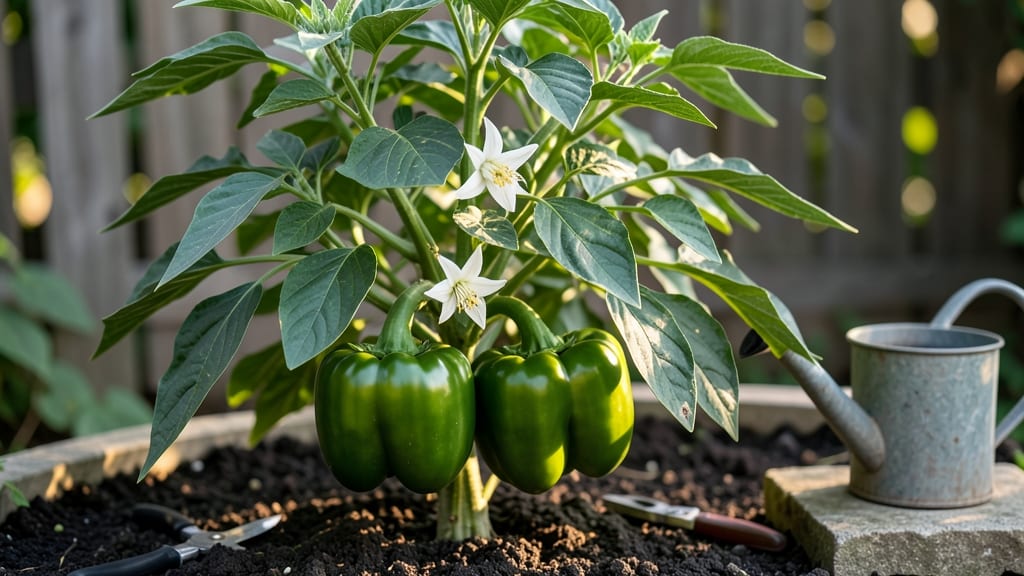
The King Arthur bell pepper delivers 6-inch-long fruits that outsize standard varieties—if you give it the right growing conditions. 🌱 I learned the hard way that these giants need more than just good soil; they demand consistent heat, staking, and precise watering to avoid common pitfalls like blossom end rot or cracked fruit.
The payoff? A vertical garden that produces 20+ peppers per plant in a fraction of the space. These peppers thrive in full sun (6+ hours daily) and well-draining soil with a pH between 6.0 and 7.0.
Start seeds indoors 8-10 weeks before last frost, then transplant after soil warms to 60°F. The key to their massive size? Vertical support—use cages or trellises to keep plants upright and maximize airflow, which reduces disease risk.
By midsummer, you’ll see glossy green peppers swelling on the vine, ready for harvest 75-90 days after transplanting. The secret to avoiding rot? Deep watering at the base (never overhead) and a balanced fertilizer (10-10-10) every 3-4 weeks. Even in small spaces, these peppers deliver restaurant-quality yields with minimal effort.
For container growers, 5-gallon pots work well—just ensure they have drainage and are placed where they’ll get uninterrupted sunlight. If you’re in a cooler climate, opt for black plastic mulch to warm the soil faster. The first harvest will change how you think about vertical gardening forever.
📚 In This Guide
- What you need
- Instructions
- Tips and common mistakes
- Wrapping up and next steps
What you need
- ● King Arthur bell pepper seeds (or seedlings) – 5-10 seeds (or 3-5 seedlings) for a small vertical setup.
- ● Vertical garden structure – Choose from: A wall-mounted pocket planter (10-20 pockets, 6" deep).
- ● A hanging fabric grow bag (10-15 gallons).
- ● A DIY trellis or tower system with sturdy containers (5-gallon buckets with holes drilled in the sides).
- ● High-quality potting mix – 10-15 lbs of a well-draining, organic mix (look for moisture-retentive but not compacted soil).
- ● Slow-release fertilizer – 1 cup of a balanced (10-10-10) or veggie-specific blend mixed into the soil.
- ● Support system – 3-5 ft of twine, stakes, or a small trellis to train vines upward.
- ● Gloves – To protect your hands while handling soil and seeds.
- ● Trowel or small shovel – For planting and transplanting.
- ● Watering can or spray bottle – With a gentle mist setting for seedlings.
- ● Pruning shears – For trimming excess foliage and shaping plants.
- ○ pH testing kit – Optional but helpful to ensure soil pH is between 6.0-6.8 (ideal for peppers).
- ● Sunlight access – 6+ hours of direct sunlight daily (south-facing window or grow lights for indoors).
- ○ Mulch (straw or shredded leaves) – Optional to retain moisture and suppress weeds.
How to grow King Arthur bell peppers vertically for maximum yield
Turn your small space into a pepper powerhouse with this vertical growing system—perfect for the compact yet productive King Arthur variety.
🪴 Step 1: Build or Select a Vertical Growing Structure
King Arthur peppers thrive when their vines have vertical support, which prevents sprawling and maximizes fruit production. I recommend using a 5-foot tall trellis system or repurposed pallet shelves with 3-4 levels. If building from scratch, construct a sturdy frame with 1-inch PVC pipes connected by horizontal slats spaced 12 inches apart—this gives roots room to breathe while keeping foliage off the ground.
For a quick setup, use hanging fabric pockets (like those for strawberries) suspended from ceiling hooks. These pockets allow roots to dangle while keeping the plant elevated, which dramatically reduces disease risk. Whichever structure you choose, ensure it can support 10-15 pounds per plant—King Arthurs pack a lot of fruit weight!
🌱 Step 2: Prepare Containers and Planting Medium
Fill 5-gallon fabric grow bags or 18-inch deep containers with a well-draining mix—I blend 60% premium potting soil, 30% coco coir, and 10% perlite for aeration. Avoid garden soil; it compacts and suffocates roots. Add a slow-release fertilizer (like 10-10-10) at planting time to fuel early growth.
Plant one King Arthur pepper seedling per container, burying the root ball up to the first set of true leaves. This encourages strong stem development. If using fabric pockets, cut a small slit in the bottom to allow roots to establish while keeping the plant anchored. Water deeply immediately after planting to settle the soil and eliminate air pockets.
☀️ Step 3: Position for Optimal Light and Support
King Arthur peppers demand full sun exposure—place your vertical structure in a spot receiving 8+ hours of direct sunlight daily. South-facing windows or a southwest corner work best, but supplement with LED grow lights if natural light falls short. Keep lights 6-12 inches above the canopy and run them for 14-16 hours per day to prevent leggy growth.
As soon as the plant reaches 12 inches tall, tie the main stem to the vertical support with soft plant ties (never wire or zip ties—they cut into stems). Prune side shoots that form below the first flower cluster to redirect energy upward. This vertical training ensures all your effort goes into producing large, sweet peppers instead of bushy foliage.
💧 Step 4: Water and Fertilize for High-Yield Production
Water deeply every 2-3 days, checking that the top 2 inches of soil feel dry before rewatering. King Arthurs are drought-sensitive, so consistent moisture is key—especially during fruit set. I use a drip irrigation system to deliver water at the base, avoiding wet foliage which invites fungal diseases. Mulch with straw to retain moisture and regulate soil temperature.
Feed plants every 3-4 weeks with a balanced liquid fertilizer (like fish emulsion) during the growing season. When flowers appear, switch to a low-nitrogen, high-phosphorus formula (5-10-10) to boost fruit development. You’ll know you’re on track when the plant produces 6-8 flowers per node—each with the potential to become a 1-pound King Arthur pepper!
✂️ Step 5: Prune and Harvest for Continuous Production
Prune aggressively to maintain vertical growth: remove suckers (the small shoots forming in the leaf axils) and yellowing leaves regularly. This keeps air circulating and prevents disease. When peppers reach 6-8 inches long, harvest them promptly to encourage more fruit production. Use clean pruning shears to avoid damaging the plant.
Here’s the thing—King Arthurs produce all season long, but peak flavor comes when peppers are fully colored and firm. Harvest in the morning for the freshest taste, and store unripe peppers in a paper bag at room temperature to ripen naturally. With vertical training, you’ll easily double your yield compared to traditional bush growing!
Tips & tricks for perfect vertical King Arthur bell pepper growth
Here's what I've learned after growing these beauties for three seasons—these tricks make all the difference between a decent harvest and a pepper explosion!
Support System Stability: When building your vertical structure, focus on the 12-inch spacing between horizontal slats—this isn't just about aesthetics. The extra room allows roots to breathe while keeping foliage off the ground, which dramatically reduces fungal diseases like powdery mildew. I've seen plants with crowded supports develop root rot because air couldn't circulate properly. For extra insurance, add 2-3 inches of space between plants if using multi-level shelves to prevent cross-contamination.
Lighting Strategy: Those 14-16 hours of light per day are non-negotiable, but here's the secret: position your grow lights 8-10 inches above the canopy during the first 4 weeks to prevent leggy growth. After that, raise them to 12 inches to encourage stronger stems. I use a simple timer to automate this—no need to remember to adjust daily. Also, rotate your plants quarter-turn weekly to ensure even light exposure on all sides, which prevents lopsided growth.
Pruning Precision: The instructions mention removing side shoots below the first flower cluster, but here's what nobody tells you—use sterilized pruning shears and make cuts at a 45-degree angle, about 1/8-inch above a leaf node. This encourages faster healing and prevents disease entry points. I've found that pruning in the early morning gives plants time to recover before evening moisture sets in. And save those pruned shoots! Place them in water to root for new plants.
Fertilizer Timing: The switch to 5-10-10 fertilizer when flowers appear is crucial, but don't overdo it. I've seen plants develop blossom end rot from too much phosphorus. Start with half the recommended dose and increase gradually. Also, always water thoroughly 24 hours before fertilizing to prevent root burn. For container plants, I add a 1-inch layer of compost to the soil surface every 6 weeks as a natural, slow-release boost.
Pro Tips for King Arthur Bell Pepper
- Here's what I've learned after growing these beauties for three seasons—these tricks make all the difference between a decent harvest and a pepper explosion!
- Support System Stability: When building your vertical structure, focus on the 12-inch spacing between horizontal slats—this isn't just about aesthetics.
- Lighting Strategy: Those 14-16 hours of light per day are non-negotiable, but here's the secret: position your grow lights 8-10 inches above the canopy during the first 4 weeks to prevent leggy growth.
Frequently asked questions
Got questions about growing King Arthur bell peppers in your vertical garden? You’re not alone! Here are some of the most common queries—and their answers—to help you grow a bountiful harvest with ease.
How long does it take for King Arthur bell peppers to mature and produce fruit?
King Arthur bell peppers typically take 60–75 days from transplanting to harvest, depending on your climate and growing conditions. Start seeds indoors 8–10 weeks before the last frost, then transplant seedlings outdoors after all danger of frost has passed. Pro tip: Use a heat mat or row cover early in the season to speed up growth in cooler areas!
Can I grow King Arthur bell peppers in containers or hanging baskets?
These peppers thrive in containers as long as the pot is at least 12–18 inches deep with drainage holes. Vertical gardens, trellises, or even hanging baskets work well—just ensure they get 6–8 hours of sunlight daily. Use a lightweight, well-draining potting mix to prevent root rot. Bonus: Prune side shoots to encourage upward growth and better air circulation!
Why aren’t my King Arthur bell peppers producing fruit?
Common culprits include inadequate sunlight (they need full sun!), temperature stress (below 55°F or above 95°F), or lack of pollination. Hand-pollinate flowers with a small brush if bees are scarce, and ensure consistent watering (1–1.5 inches per week). Check for pests like aphids or spider mites, which can also hinder fruit development.
What’s the best companion plant for King Arthur bell peppers in a vertical setup?
Pair them with basil, marigolds, or onions to deter pests and improve flavor. Avoid planting near fennel or brassicas (like cabbage), as they can stunt pepper growth. In vertical gardens, interplant fast-growing herbs like thyme or parsley between pepper vines to maximize space. Fun fact: Basil also repels whiteflies, a common pepper pest!
How do I know when King Arthur bell peppers are ripe for picking?
Harvest when peppers are firm, glossy, and fully colored (green, yellow, orange, or red, depending on the variety). For bell peppers, aim for a smooth, shiny skin—they’ll ripen further off the vine if stored in a cool, dark place. Use pruning shears to avoid damaging the plant, and pick regularly to encourage more production. Pro move: Harvest in the morning for the sweetest flavor!
Can I save seeds from King Arthur bell peppers for next year?
Yes! Remove seeds from fully ripe peppers, rinse them, and dry on a paper towel for 1–2 weeks. Store in a cool, dry place for up to 3 years. Note: Since King Arthur is an open-pollinated variety, saved seeds will grow true to type. For hybrid peppers, seed-saving isn’t recommended.
Wrapping up and next steps
Growing King Arthur bell peppers in a vertical garden isn’t just smart—it’s a game-changer for small spaces!
With the right setup, you’ll enjoy a bountiful harvest of sweet, flavorful peppers while maximizing your garden’s potential. 🌱 Whether you’re a beginner or a seasoned gardener, this method makes fresh produce easy and rewarding.
Ready to take the next step? Start small—test your vertical setup with a few peppers, then expand as you gain confidence. Happy growing, and may your harvest be as legendary as King Arthur himself! 🏰✨