
Picking
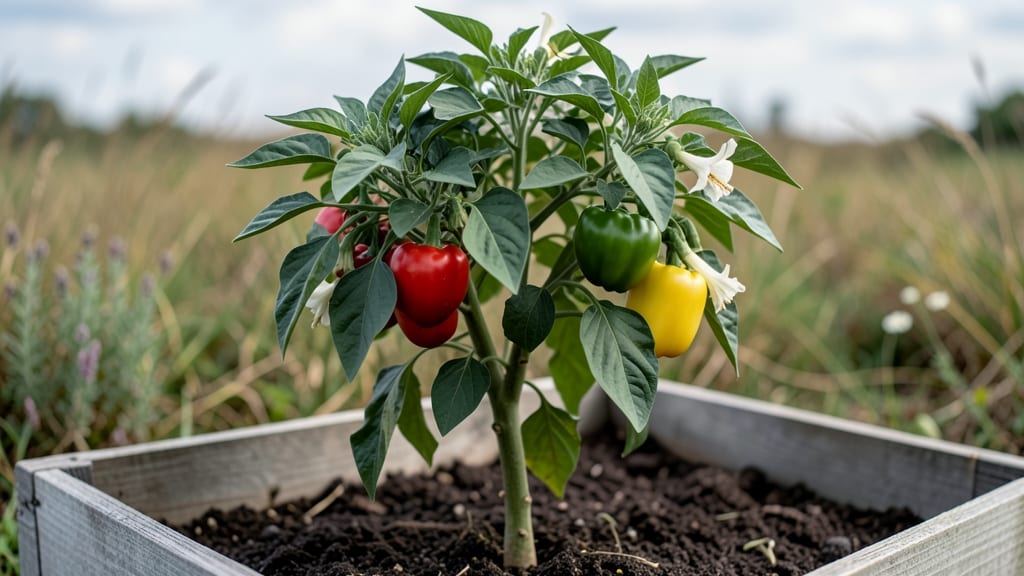
Growing small bell peppers like Shishito or Mini Bell transforms tiny spaces into a harvest goldmine. 🌱 I've packed my balcony with 12 plants in just 4 square feet using vertical trellises, and they outproduced my in-ground garden last summer.
The secret isn't fancy equipment—it's smart spacing, consistent water, and knowing exactly when to prune for bushier growth. These little powerhouses thrive in containers as small as 1-gallon pots, making them perfect for patios or windowsills.
They need 6-8 hours of sun daily and soil that drains well but stays moist—think crumbly, not soggy. A balanced fertilizer every 3-4 weeks keeps them fruiting nonstop from midsummer until frost. By midseason, you'll be snipping peppers that measure just 2-3 inches long but pack serious heat or sweetness.
The plants stay compact, the harvests keep coming, and you avoid the sprawl that makes larger varieties hard to manage. Works for any small space, from city balconies to sunny porches. Here's how to maximize every inch!"
📚 In This Guide
- What you need
- Instructions
- Tips and common mistakes
- Wrapping up and next steps
What you need
- ● Small bell pepper seeds or seedlings: Choose compact varieties like ‘Snackable,’ ‘Mini Bell,’ or ‘Pico de Gallo’ (5–10 plants for a small harvest).
- ● Vertical growing system: Wall-mounted planter bags (5–10 gallons, 1–2 per plant)
- ● OR trellis with sturdy netting (3x6 ft for 4–6 plants)
- ● OR hanging fabric pots (7–10 inches in diameter, 1 per plant)
- ● High-quality potting mix: 10–20 lbs of well-draining, organic mix (add perlite or vermiculite for aeration).
- ● Fertilizer: Balanced organic fertilizer (10-10-10 or 5-5-5) or compost tea for slow-release nutrients.
- ● Support structures: Twine, clips, or soft ties to secure plants to vertical frames.
- ● Hand trowel or small shovel for planting.
- ● Watering can with a fine rose nozzle (or drip irrigation kit for efficiency).
- ● Pruning shears to trim excess foliage and encourage upward growth.
- ● Sunlight access: 6–8 hours of direct sunlight daily (south-facing wall or grow lights for indoors).
- ○ Optional but helpful: Self-watering system (e.g., wicking fabric or reservoir pots).
- ● Garden twine or zip ties for extra support.
- ● Shade cloth (30–50%) for hot climates to prevent stress.
- ● pH test kit (ideal soil pH: 6.0–6.8 for bell peppers).
Step-by-step guide to growing small bell peppers vertically
Maximize your harvest with these space-saving techniques that turn tiny plots into pepper powerhouses.
🪴 Step 1: Set Up Your Vertical Growing System
Start with a sturdy 5-gallon fabric grow bag or tall container at least 12 inches deep—I like the ones with built-in trellis supports because they eliminate the need for extra stakes. Fill it with well-draining potting mix (never garden soil—it compacts and causes root rot). Leave 2 inches of space at the top for watering.
Make a small planting hole with your finger—just deep enough to hold the pepper plant's root ball without bending the stem. The key here is to position the plant 1 inch deeper than it was in its nursery pot. This encourages stronger root development below the soil line. Pat the soil gently around the base to remove air pockets.
☀️ Step 2: Position for Maximum Sunlight
Bell peppers crave full sun (6-8 hours daily)—no compromises here. Place your vertical container in the southernmost spot of your patio or balcony. If you're using a balcony railing planter, rotate it a quarter turn weekly so plants don't lean toward the light source. You'll notice leaves turning pale yellow if they're not getting enough sun—this is your warning sign to move it closer.
For indoor growers, supplement with a LED grow light placed 6 inches above the plants. Keep it on for 14-16 hours daily. The light should be strong enough that you can't see shadows of leaves when your hand passes beneath it. Watch for stems growing too tall and thin—that's a clear sign your light isn't intense enough.
💧 Step 3: Water and Fertilize for Vertical Growth
Water deeply every 2-3 days until you see water draining from the bottom of the container. The soil should feel damp 2 inches down but not soggy. I water at the base rather than overhead to prevent fungal diseases that love damp foliage. Let the top inch dry between waterings—this prevents root rot while keeping the plant hydrated.
Feed with a balanced liquid fertilizer (10-10-10) every 2 weeks once flowers appear. The moment you see the first blossoms, switch to a tomato/vegetable fertilizer with slightly more phosphorus (5-10-10) to support fruit development. You'll know you're doing it right when you see dark green leaves and plump buds forming within 3 weeks.
✂️ Step 4: Prune and Train for Vertical Productivity
When your pepper plants reach 12 inches tall, start pruning the lower leaves. Remove any leaves that touch the soil or are below the first set of fruit. This improves airflow and prevents disease. Use clean, sharp scissors to make 45-degree cuts just above a leaf node—never tear leaves off. I prune on a dry morning so the cuts have time to dry before evening dew sets in.
Train the main stem to grow vertically by gently tying it to the trellis support with soft plant ties. As side shoots appear, let 2-3 of the strongest grow while pinching off the rest. These side shoots will produce additional fruit clusters. Watch for any shoots growing inward—they'll compete with the main stem for energy and should be pruned immediately.
🌱 Step 5: Harvest and Encourage Continuous Production
Pick peppers when they're 3-4 inches long for the best flavor and to encourage more production. Use a sharp knife to cut stems cleanly, leaving a small portion attached to the plant. I harvest in the morning when peppers are firm and cool—this preserves their quality. You'll notice new flowers forming within 3-5 days of harvesting, signaling the plant is ready for another round of fruit.
To extend your harvest season, cover plants with frost cloth when nighttime temperatures drop below 50°F. This simple protection can add 2-3 weeks to your growing season. Remove the cloth during the day so the plants still get full sun. With proper care, a single vertical pepper plant can produce 10-15 peppers over a season—proof that small spaces can yield big rewards.
Tips & tricks for perfect vertical bell pepper growth
Here's what nobody tells you about maximizing your vertical pepper garden—these tricks make all the difference.
Container Selection: The 5-gallon fabric grow bag is ideal, but if you're using a DIY container, ensure it has drainage holes. I've seen people skip this and end up with root-bound plants that produce fewer peppers. Elevate your container on pot feet or a tray to prevent water pooling below—this keeps roots healthy and prevents fungal issues. For extra stability, place heavier containers on the ground rather than balconies where wind could tip them.
Sunlight Strategy: That 6-8 hours of daily sun is non-negotiable, but here's the secret: if your balcony faces west, move containers to the southernmost edge by mid-afternoon to catch those golden hours. Indoor growers should position LED lights so they're just above the tallest leaves—this prevents leggy growth. I notice plants under grow lights often stretch toward the light source, so rotating the container 90 degrees weekly keeps growth even.
Pruning Precision: When pruning at the 12-inch mark, focus on removing leaves that would shade the fruit or touch the soil. I've learned the hard way that leaving these leaves on can lead to blossom-end rot. Use sterilized scissors (wipe with rubbing alcohol between cuts) to prevent spreading disease. For side shoots, only keep the ones growing outward—they'll produce fruit while inward-growing shoots just compete for energy.
Harvest Timing: Those 3-4 inch peppers are perfect for picking, but here's the pro move: harvest every morning when peppers are firmest. I've noticed that harvesting at this time preserves their crunch and sweetness better than afternoon picking. After harvest, I always inspect the plant for new buds forming within 3-5 days—this tells me the plant is ready for another round of fruit production. The key is consistency: regular harvesting encourages continuous production.
Pro Tips for Small Bell Peppers
- Here's what nobody tells you about maximizing your vertical pepper garden—these tricks make all the difference.
- Container Selection: The 5-gallon fabric grow bag is ideal, but if you're using a DIY container, ensure it has drainage holes.
- Sunlight Strategy: That 6-8 hours of daily sun is non-negotiable, but here's the secret: if your balcony faces west, move containers to the southernmost edge by mid-afternoon to catch those golden hours.
Frequently asked questions
Got questions about growing small bell peppers?
You’re not alone! Here are answers to the most common queries—whether you’re a newbie or a seasoned gardener looking to optimize your harvest.
How long does it take for small bell peppers to mature?
Small bell peppers typically take 60–90 days from transplant to harvest, depending on the variety and growing conditions. Start seeds indoors 8–10 weeks before the last frost for a head start. Patience pays off—warmer temps (above 70°F) speed up ripening!
Why aren’t my small bell peppers turning red (or their target color)?
Color change happens when peppers get consistent sunlight (6–8 hours/day), warm temps (75–85°F), and proper watering. If they stay green, check for:
- Insufficient sunlight (move to a sunnier spot or use grow lights).
- Cool nights (below 60°F slows ripening—try row covers).
- Overwatering (keep soil moist but not soggy).
Can I grow small bell peppers in containers or vertical gardens?
Small bell peppers thrive in 5-gallon containers or deeper pots with drainage. For vertical gardens:
- Use trellises, cages, or pocket planters to save space.
- Train vines upward with soft ties to avoid damage.
- Prune lower leaves to improve airflow (reduces disease).
What pests or diseases should I watch for with small bell peppers?
Common threats include:
- Aphids/spider mites: Spray with neem oil or water blast them off.
- Powdery mildew: Improve airflow, avoid overhead watering.
- Squirrels/rabbits: Use wire mesh or repellent sprays.
What’s the best alternative if small bell peppers don’t grow well in my climate?
If your zone is too hot/cold, try:
- Mini jalapeños (similar size, spicier kick).
- Shishito peppers (mild, prolific, and cold-tolerant).
- Cherry tomatoes (vertical-friendly, great for snacking).
Wrapping up and next steps
Small bell peppers are a rewarding addition to any garden—packed with flavor, easy to grow, and perfect for vertical spaces! With the right hacks, you can maximize your harvest without taking up extra room.
Whether you're a seasoned gardener or just starting, these tips will help you grow plenty of vibrant peppers in limited space. 🌱
Now that you're armed with knowledge, it’s time to get your hands dirty! Start by gathering your supplies, sketch a simple vertical plan, and plant those seeds or seedlings. Your future meals—and bragging rights—will thank you! Happy growing! 🌟