
Vegetables
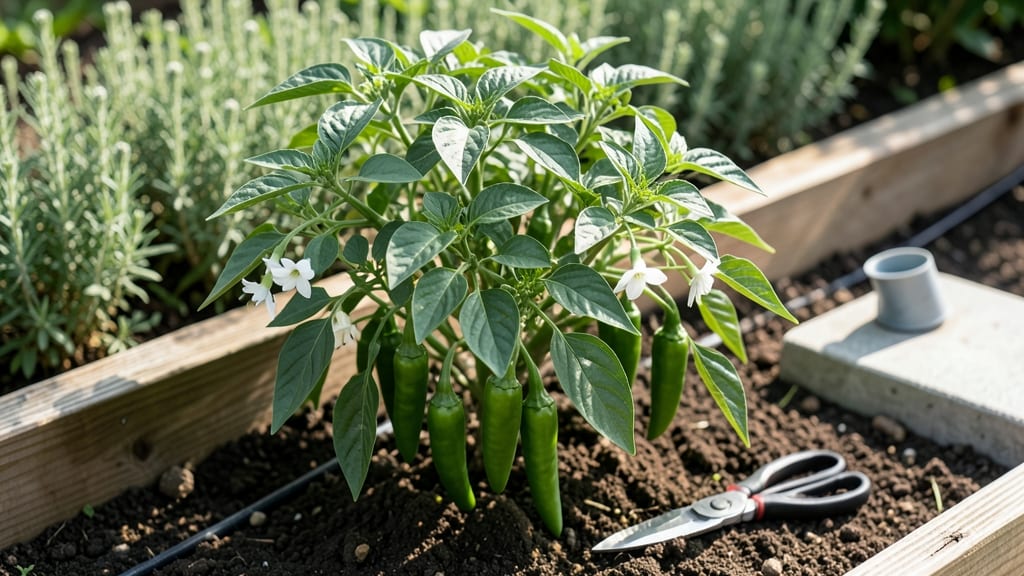
Growing shishito peppers is the perfect project for small-space gardeners who crave restaurant-quality flavors at home. ✨ These slender, mild peppers pack a subtle kick and thrive in containers or vertical gardens—no sprawling vines required.
My first batch produced enough for 50+ sizzling dishes, and the plants kept giving all summer long.
Shishitos need 6-8 hours of sunlight daily and well-draining soil rich in compost. Start seeds indoors 8-10 weeks before last frost, or buy sturdy transplants to skip the waiting game. The key? Vertical support—trellises or cages save space while keeping peppers off the ground and easy to harvest.
Even in tight spots, these plants reward patience with bountiful, tender pods ready in just 60-75 days.
Harvest begins when peppers reach 4-6 inches long, snipping them right above leaf nodes to encourage more growth. The real magic happens when you blanch and blister them in a hot pan—crispy, charred edges and all.
My neighbors now ask for "the secret pepper" every summer, and I happily share the recipe (and seeds).
Pro tip: Shishitos love regular watering but hate soggy roots, so let the top inch dry between drinks. Watch for aphids—spray with soapy water if you spot clusters—and rotate plants yearly to prevent disease. With minimal fuss, you’ll go from seed to sizzle in no time.
📚 In This Guide
- What you need
- Instructions
- Tips and common mistakes
- Wrapping up and next steps
What you need
- ● Shishito Pepper Seeds or Seedlings: 10–20 seeds (if starting from scratch) or 3–5 healthy seedlings (for faster growth)
- ● Pro tip: Look for ‘Shishito’ or ‘Shishito-type’ varieties for that signature mild kick!
- ● Growing Space: Vertical Garden: 5–10 gallon fabric pots, wall pockets, or a tower garden (12–18 inches deep)
- ● Containers: At least 1–2 large pots (12+ inches deep) per plant, with drainage holes
- ● Traditional Bed: Well-draining soil in a sunny spot (6+ hours of light daily)
- ● Soil: 1–2 bags of high-quality potting mix (or garden soil amended with compost)
- ○ Optional boost: 1 cup perlite or vermiculite per pot for aeration
- ● Fertilizer: Balanced organic fertilizer (e.g., 10-10-10 or compost tea) or slow-release granules
- ● Support Structures (for vertical gardens): Trellis, stakes, or tomato cages (if plants need climbing support)
- ● Pruning shears (for shaping plants)
- ● Mulch (straw or shredded leaves to retain moisture)
- ● pH testing kit (ideal soil pH: 6.0–6.8)
- ● Shade cloth (for hot climates to prevent bolting)
- ● Harvest basket or scissors (for easy picking!)
Step-by-Step instructions for growing shishito peppers vertically
Here's how to maximize your harvest in tight spaces while keeping these delicate peppers thriving.
🌱 Step 1: Choose the Right Vertical System and Prepare Growing Medium
Shishito peppers need well-draining soil and consistent moisture, so start with a 5-gallon fabric grow bag or 10-inch deep vertical planter for each plant. Fabric allows roots to breathe while retaining moisture better than rigid containers. Fill each planter with a mix of 50% premium potting soil and 50% coco coir—this lightens the medium and prevents compaction as roots grow.
Add a slow-release fertilizer (like 10-10-10) at a rate of 1 tablespoon per gallon of mix. Shishitos are hungry plants, and vertical systems drain nutrients faster than ground beds. Tap the planter gently after filling to eliminate air pockets, then water until moisture runs freely from the drainage holes. Let it drain completely before planting.
☀️ Step 2: Plant Seeds or Transplants at Proper Spacing
Sow seeds ¼ inch deep or transplant 4-6 week old seedlings, spacing them 12-18 inches apart within the vertical system. If using multiple levels, stagger plants so lower ones don't cast permanent shade on upper ones. Shishitos need 6-8 hours of direct sun daily, so position your vertical garden where it gets full morning sun and partial afternoon shade if temperatures exceed 85°F.
Here's the thing—if you're planting from seed, keep the soil warm (70-80°F) for germination. I like to place the planters on a seedling heat mat for the first 10 days, then move them to a sunny windowsill. Watch for first true leaves (the second set after cotyledons) before hardening off.
💧 Step 3: Water and Feed for Optimal Vertical Growth
Shishitos in vertical systems dry out faster, so check soil moisture daily during hot weather. Water when the top 1-2 inches feel dry, but never let them sit in soggy conditions—root rot spreads quickly in confined spaces. Use a drip irrigation line or watering wand to deliver moisture directly to the soil surface without disturbing the plants.
Feed every 2-3 weeks with a liquid fertilizer (like fish emulsion) diluted to half strength. You'll notice new growth within 5-7 days of fertilizing—this is your cue that the plant is happy. Prune lower leaves that touch the soil to prevent disease, and pinch back the main stem after 4-5 leaves to encourage bushier growth.
✂️ Step 4: Train Vines and Harvest for Continuous Production
As shishitos grow, gently weave vines through the vertical trellis or cage, securing them with soft plant ties. Don't pull too tight—you want room for the stems to thicken. When peppers reach 5-6 inches long, they're ready for harvest. Pick in the morning when flavors are most concentrated, and use clean scissors to snip stems just above the next leaf node.
Real talk: Shishitos produce best when harvested frequently. If you let them overmature, the plant shifts energy to seed production instead of new peppers. Aim for harvests every 3-5 days during peak season, and you'll get a steady supply all summer long. Save a few peppers to dry or freeze—they keep beautifully for winter use.
🪴 Step 5: Overwinter or Extend the Season Vertically
Shishitos are tender annuals, but you can extend the season by bringing potted plants indoors before frost. Place them near a south-facing window or under grow lights for 12-14 hours daily. Reduce watering as growth slows, and stop fertilizing once temperatures drop below 60°F. Most plants will keep producing lightly until first hard frost, then die back completely.
If you're in a mild climate, protect your vertical garden with frost cloth and a small greenhouse tent. I've had shishitos survive light frosts (28-32°F) when sheltered, though they'll need a few weeks of warm weather to recover and produce again. Either way, save seeds from your best peppers for next year—homegrown shishitos always outperform store-bought varieties.
Tips & tricks for perfect vertical shishito pepper growth
These battle-tested strategies will help you avoid common pitfalls and maximize your shishito harvest in tight spaces.
Container Selection Matters: The 5-gallon fabric grow bags or 10-inch deep vertical planters specified in Step 1 are perfect, but if you're using rigid containers, add drainage holes if they don't exist. I've seen shishitos thrive in repurposed hanging baskets with drainage holes drilled in—just make sure the holes are large enough to prevent root circling. The key is ensuring roots have room to breathe while maintaining moisture retention.
Germination Hack for Seeds: That 70-80°F soil temperature range for germination in Step 2 is critical, but here's what nobody tells you—place a clear plastic dome or wrap a plastic bag around the planter to create a mini greenhouse effect. This traps heat and humidity, speeding up germination by 2-3 days. Just remember to remove it once seedlings emerge to prevent mold.
Sunlight Strategy: The 6-8 hours of direct sun requirement in Step 2 is non-negotiable, but positioning matters just as much. If your space gets intense afternoon sun (above 85°F), move your vertical garden to receive morning sun only. Shishitos can handle this heat better than full afternoon exposure, which often leads to sunburned leaves. I've had success with south-facing windows that get morning light and afternoon shade from nearby buildings.
Harvest Timing Secret: Those 5-6 inch peppers in Step 4 are ready when they're firm but still slightly pliable—like a good cucumber. The morning harvest window is perfect because peppers contain the most moisture and flavor at that time. Pro tip: Harvest every 3-5 days to encourage continuous production, but never take more than half the peppers at once. This prevents shocking the plant and keeps it producing throughout the season.
Pro Tips for Growing Shishito Peppers
- These battle-tested strategies will help you avoid common pitfalls and maximize your shishito harvest in tight spaces.
- Container Selection Matters: The 5-gallon fabric grow bags or 10-inch deep vertical planters specified in Step 1 are perfect, but if you're using rigid containers, add drainage holes if they don't exist.
- This traps heat and humidity, speeding up germination by 2-3 days.
Frequently asked questions
Got questions about growing shishito peppers?
You’re not alone! Here are answers to the most common ones to help you grow a thriving harvest with ease.
How long does it take for shishito peppers to mature?
Shishito peppers typically mature in 60–70 days from transplanting, depending on your climate. In warmer regions, they may ripen faster (as early as 50 days), while cooler areas could extend the timeline. Start seeds indoors 8–10 weeks before the last frost for a head start!
Can shishito peppers survive frost?
Nope! Shishito peppers are tender annuals and cannot tolerate frost. They thrive in temperatures between 70–85°F (21–29°C). If frost is forecasted, cover plants with frost cloth or harvest before temperatures drop below 50°F (10°C).
What can I plant near shishito peppers to improve growth?
Shishitos love companions! Try pairing them with:
- Basil (repels pests and boosts flavor)
- Marigolds (deter harmful insects naturally)
- Onions or garlic (help prevent fungal diseases)
- Avoid planting near fennel or dill—they can stunt pepper growth.
Why aren’t my shishito peppers producing fruit?
Several factors could be at play:
- Insufficient sunlight (6+ hours of direct sun daily is ideal).
- Temperature stress (too hot or cold can halt flowering).
- Lack of pollinators—hand-pollinate with a small brush if bees are scarce.
- Over-fertilizing with nitrogen (focus on balanced 10-10-10 fertilizer instead).
Are shishito peppers easy to grow in containers?
Shishitos are perfect for containers—they only need a 5–7 gallon pot with drainage holes. Use a well-draining potting mix and place the pot in full sun. Just ensure it’s stable and deep enough (12+ inches) to support their vines.
Wrapping up and next steps
Growing shishito peppers is a rewarding journey that turns even small spaces into a thriving garden oasis! 🌱 Whether you’re a beginner or a seasoned gardener, these mild, versatile peppers are perfect for vertical gardening—saving space while delivering big flavors.
With the right setup, patience, and a little love, you’ll soon be harvesting fresh, fiery (but mostly mild!) peppers to spice up your meals.
Ready to take the next step? Start by planting your seeds or seedlings this season and watch your vertical garden flourish. Before you know it, you’ll be sharing your homegrown shishitos with friends—because nothing beats the taste (and bragging rights!) of homegrown goodness. Happy gardening! 🌿