
Picking
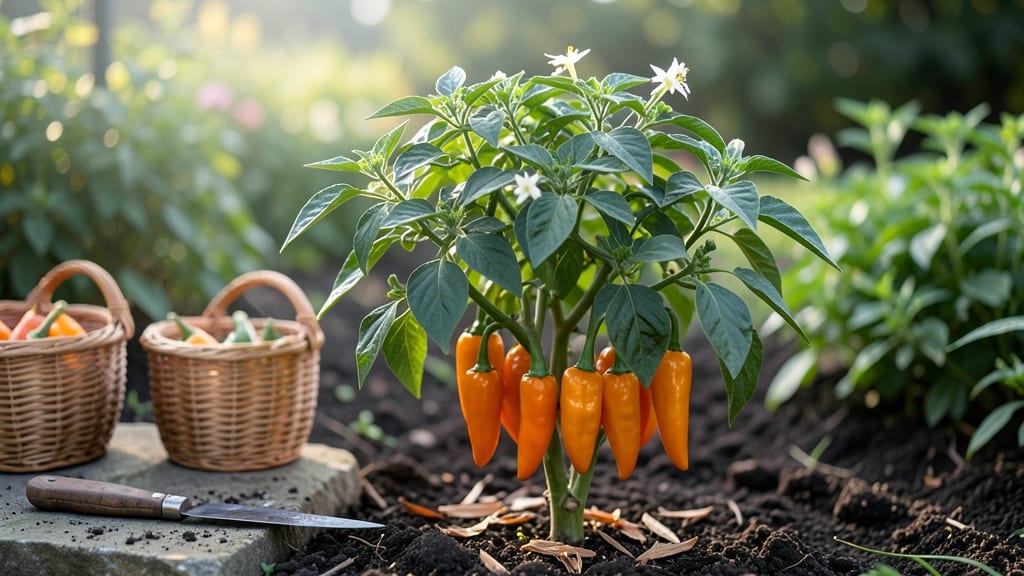
Harvesting habanero peppers at their peak means fiery flavor and maximum yield—just don’t touch them with bare hands. 🌶️ I learned the hard way that these tiny dynamos pack enough heat to turn a perfect harvest into a blistered fingertips disaster.
The secret isn’t just timing; it’s the right tools, the right touch, and knowing exactly when to pick for that perfect balance of heat and sweetness.
You’ll need heavy-duty gloves (nitrile or rubber), sharp pruners or scissors, and a bowl lined with paper towels to catch the pepper spray.
The best time to harvest is in the morning after the dew has dried, when the peppers are firm and fully colored—bright orange, red, or yellow, depending on the variety. Avoid harvesting when the peppers are still green or soft, as they won’t reach their full heat potential.
When you’re ready, grasp the pepper firmly at the stem and give a quick twist or snip just above the calyx (the little bulb at the base). This method prevents damage to the plant and encourages more peppers to form.
Store your freshly harvested habaneros in a cool, dry place away from direct sunlight—they’ll keep for up to two weeks, but for long-term storage, freeze or dry them to preserve that signature habanero heat.
One common mistake is harvesting too early—wait until the peppers are fully mature for the best flavor and heat. Another is storing them in the fridge, which can dull their flavor over time.
With the right technique, you’ll end up with a bounty of peppers that bring the heat to your kitchen all season long.
📚 In This Guide
- What you need
- Instructions
- Tips and common mistakes
- Wrapping up and next steps
What you need
- ● Gloves: Heavy-duty, heat-resistant gloves (e.g., nitrile or rubber) to protect your hands from capsaicin and spiny stems. 2–3 pairs recommended for comfort.
- ● Pruning shears or sharp scissors: Bypass-style (for clean cuts) or harvesting shears (ergonomic). 1–2 pairs with sterilized blades to prevent disease.
- ● Harvesting basket or bucket: A wide-mouth, breathable container (e.g., plastic crate or mesh bag) to prevent bruising. 1–2 units for efficiency.
- ● Ladder or step stool: For reaching high plants. Sturdy, non-slip (e.g., foldable garden ladder or 3-step stool).
- ● Spray bottle with water: 1–2 bottles to rinse hands/stems if needed (capsaicin can irritate skin).
- ● Permanent marker or tags: For labeling varieties (e.g., ‘Carolina Reaper’ vs. ‘Orange Habanero’).
- ● Plastic or paper bags: Small, breathable bags (e.g., produce bags) for transporting peppers to avoid squishing.
- ● Apron with pockets: Keeps tools handy and protects clothes from spicy residue.
- ● Hand sanitizer or capsaicin-neutralizing gel: For post-harvest relief if peppers touch sensitive areas.
- ● Camera or phone: Snap pics of your fiery harvest for bragging rights!
- ● Cooling towel: Handy for hot days—habanero plants thrive in 80–90°F but can be brutal to work in.
- ● Mature habanero plants (typically 80–120 days after transplanting, depending on variety).
- ● Clear weather: Harvest on dry, sunny mornings to avoid mold and ensure peppers are firm.
- ● Knowledge of ripe vs. unripe peppers—habaneros turn color-specific (red, orange, yellow, or even purple!) when fully ripe.
Instructions for harvesting habanero peppers safely and effectively
Here’s how I harvest habaneros without burning myself or damaging the plants—every time.
🌿 Step 1: Gather Your Supplies and Timing
First, grab your heavy-duty gardening gloves (nitrile or rubber, thick enough to block capsaicin) and a sharp pair of pruning shears or a knife. I like to work on a cool morning when peppers are firm and less likely to bruise. The key is to harvest when peppers reach full color—bright red, orange, or yellow—because that’s when they’re sweetest and most flavorful.
Check your plants for mature peppers (about 2-3 inches long) that have developed a smooth, glossy skin. Avoid harvesting when they’re still green or soft—they won’t ripen further once picked. I always carry a small bucket or bowl to collect the peppers so I don’t drop them (and trust me, you’ll want to avoid stepping on them).
✂️ Step 2: Cut Peppers Cleanly to Encourage More Growth
Hold the pepper firmly with one gloved hand and use your shears to cut the stem at a 45-degree angle, leaving about ¼ inch of stem attached. This prevents water from pooling on the stem, which can cause rot. I make sure to never pull peppers off by hand—it can damage the plant and leave it vulnerable to disease.
If you’re harvesting a large batch, work systematically from bottom to top of the plant. This way, you won’t miss any hidden peppers behind leaves. After cutting, gently place the peppers in your bucket—don’t stack them or they’ll bruise. The goal is to keep them intact for storage or drying.
💧 Step 3: Handle Peppers with Care to Preserve Heat and Flavor
Once harvested, rinse the peppers under cool water to remove any dirt or debris, but pat them dry immediately with a clean towel. Moisture speeds up spoilage, so I always let them air-dry for 10-15 minutes before storing or processing. If you’re drying them, string them up by their stems in a well-ventilated, dark place for 2-4 weeks—this concentrates their heat and flavor.
Here’s the thing—never touch your eyes or face after handling habaneros, even with gloves. The capsaicin can still cause irritation. I keep a small bottle of mild soap and water nearby to wash my hands thoroughly after harvesting. If you accidentally get capsaicin on your skin, don’t rub it—wash with soap and cool water instead.
🌱 Step 4: Store or Use Peppers Immediately for Best Results
For short-term storage, keep whole habaneros in a paper bag in the fridge—this mimics their natural environment and slows ripening. They’ll stay fresh for 1-2 weeks. If you’re freezing them, blanch them first (dip in boiling water for 30 seconds, then ice bath) to preserve texture. Freeze in a single layer before transferring to bags.
If you’re making hot sauce, salsas, or fermented peppers, use them within a week for peak flavor. I like to blend them with vinegar, garlic, and salt for a quick hot sauce—just let it sit for 24 hours before tasting. The heat mellows slightly over time, but the flavor deepens.
⏰ Step 5: Encourage the Plant to Produce More Peppers
After harvesting, water the plant deeply to replenish moisture lost during the process. Habaneros are heavy producers, so they need consistent watering (about 1 inch per week) to keep up. I also add a balanced fertilizer (like 10-10-10) every 4-6 weeks to boost growth—just follow the package instructions.
If your plant looks stressed (yellow leaves, wilting), it might need more sunlight—habaneros thrive in full sun (6+ hours daily). Prune any dead or yellowing leaves to redirect energy to fruit production. With the right care, a single habanero plant can yield dozens of peppers over its growing season!
Tips & tricks for perfect habanero harvesting
Here's what nobody tells you about harvesting habaneros that'll make all the difference in your yield and safety.
Gloves Are Non-Negotiable: I learned this the hard way after accidentally touching my eyes while harvesting—even with gloves. Use nitrile gloves that are thick enough to block capsaicin, and change them between batches if you're harvesting multiple plants. I keep a spare pair in my gardening toolkit, because you never know when you'll need them. The gloves should extend past your wrists to prevent any accidental exposure.
Timing Matters More Than You Think: The 10-15 minute drying time after rinsing is crucial for preserving the peppers' texture and heat. I've found that if you rush this step, the peppers can develop mold during storage. Place them on a clean towel in a spot with good airflow, but avoid direct sunlight which can cause them to overheat. This is especially important if you're planning to dry them later.
Cutting Technique Prevents Rot: That 45-degree angle cut in Step 2 isn't just for show—it's a game-changer. The angled cut prevents water from pooling on the stem, which is the #1 cause of rot in stored peppers. I make sure to use sharp pruning shears to avoid crushing the pepper. If you're using a knife, keep it extra sharp to make clean cuts that won't damage the plant's tissue.
Storage Hack for Longer Freshness: While the instructions mention paper bags for short-term storage, I've found that placing a few dry leaves in the bag with the peppers helps absorb excess moisture and keeps them fresh for up to 3 weeks instead of 1-2. The leaves mimic the natural environment of the pepper plant and slow down the ripening process even more effectively than just a paper bag.
Pro Tips for Harvesting Habanero Peppers
- Here's what nobody tells you about harvesting habaneros that'll make all the difference in your yield and safety.
- Gloves Are Non-Negotiable: I learned this the hard way after accidentally touching my eyes while harvesting—even with gloves.
- Timing Matters More Than You Think: The 10-15 minute drying time after rinsing is crucial for preserving the peppers' texture and heat.
Frequently asked questions
Got questions about harvesting those fiery habanero peppers? You’re not alone—this spicy task comes with a few common curiosities! Below, we tackle the most burning (pun intended) questions to help you harvest like a pro.
When is the best time to harvest habanero peppers?
Harvest habaneros when they’re fully colored (orange, red, or yellow, depending on the variety) and firm to the touch. Most gardeners pick them 60–90 days after transplanting, but check for size—peppers should be about 1–2 inches long. Pro tip: Morning harvests prevent wilting and keep flavors vibrant!
How do I tell if a habanero is ripe vs. overripe?
A ripe habanero is shiny, firm, and vibrant in color. Overripe peppers may appear wrinkled, dull, or soft, with a slightly mushy texture. Overripe habaneros lose heat and flavor, so harvest early! If you miss the window, store them in a cool, dark place for 1–2 weeks max.
Do I need to wear gloves when handling habaneros?
Absolutely!
Habaneros contain capsaicin, the compound that causes that signature heat. Gloves (preferably nitrile or rubber) protect your skin and make handling easier. If you skip gloves, wash your hands thoroughly with soap and oil (like olive oil) to neutralize capsaicin.
Can I harvest habaneros before they turn red/orange?
Yes! Habaneros are green when unripe and can be harvested early for milder heat (though still spicy!). Green habaneros are often used in salsas or pickling. Just note: Color change = peak flavor and heat, so wait if you’re aiming for maximum kick.
What should I do if my habanero peppers crack or split?
Cracking happens due to uneven watering or rapid growth. If peppers split, harvest them immediately—they won’t improve. For future crops, water consistently (keep soil moist but not soggy) and mulch to stabilize moisture. Split peppers are still edible; just use them in cooked dishes where texture matters less!
Wrapping up and next steps
Harvesting habanero peppers doesn’t have to be a spicy challenge—with the right gloves, timing, and technique, you’ll enjoy a bountiful yield of fiery flavor! 🌶️ By following these steps, you’ll protect your hands, maximize pepper quality, and keep your plants thriving for future harvests.
Now that you’re armed with knowledge, grab those gloves and head to the garden—your next batch of salsas, hot sauces, or dried peppers is waiting!
Ready to take it further? Experiment with drying or fermenting your harvest to unlock even more culinary possibilities!