
Neem Oil
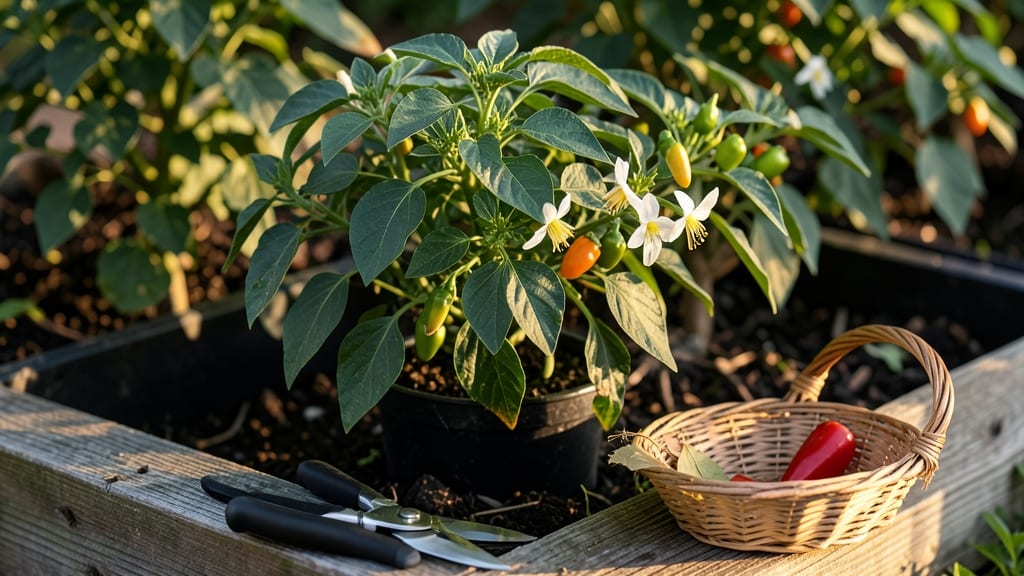
When pests like aphids or rabbits invade your garden, this hot pepper spray recipe saves your plants without harsh chemicals. ✨ I’ve used it for years to keep deer off my tomatoes and aphids off my roses—it’s fast, effective, and made from kitchen scraps.
The spray works by irritating pests’ eyes and mouths, but it’s safe for most plants when diluted properly. You’ll need cayenne peppers, dish soap, water, and a blender—no fancy equipment. For extra potency, add garlic or chili powder, but always test on a small leaf first.
Expect results within 24 hours for soft-bodied pests like aphids, but larger critters (rabbits, deer) may need reapplication after rain. It’s best used in dry weather, and always store it in a dark bottle away from pets. For stubborn pests, combine it with neem oil or insecticidal soap.
The key is consistency—spray every 3-5 days until pests retreat. Your garden will thank you!
📚 In This Guide
- What you need
- Instructions
- Tips and common mistakes
- Wrapping up and next steps
What you need
- ● 1 cup of hot peppers (e.g., cayenne, habanero, or jalapeño—the hotter, the better!)
- ● 1 quart (32 oz) of water (distilled or boiled & cooled for best results)
- ● 1 tablespoon of mild liquid dish soap (acts as a surfactant to help the spray stick)
- ○ Optional but recommended: 1 tablespoon of vegetable oil or neem oil (helps repel pests and reduces evaporation)
- ● Blender or food processor (to puree the peppers)
- ● Fine-mesh strainer or cheesecloth (to remove seeds and pulp)
- ● Spray bottle (16-32 oz) (preferably made of glass or BPA-free plastic)
- ● Measuring cups and spoons (for precision)
- ○ Gloves (optional but wise!) (hot peppers can irritate skin)
- ● Work in a well-ventilated area (pepper fumes can be strong!)
- ● Avoid spraying on windy days (to prevent drift onto pets or non-target plants)
- ● Test on a small plant area first (some plants may be sensitive to capsaicin)
- ● Keep away from children and pets (hot pepper spray can cause irritation)
Step-by-step instructions for making hot pepper spray
Here's the foolproof method I use to keep pests off my veggies—no harsh chemicals, just natural heat.
🌶️ Step 1: Gather and Prep the Peppers
Start with 1 cup of dried hot peppers—I like cayenne or habanero for maximum punch. If using fresh peppers, you'll need about 2 cups (they're milder). Remove stems and seeds (they contain capsaicin, but seeds can be messy). For extra potency, toast the dried peppers in a dry skillet over medium heat for 2-3 minutes, stirring constantly. This deepens their flavor and intensifies the heat.
Let the peppers cool completely before processing. If they're still warm, the capsaicin can irritate your skin when handling. I like to wear gloves for this step—trust me, you'll thank me later if you accidentally touch your eyes.
💧 Step 2: Mix the Spray Base
In a large bowl, combine 1 gallon of water with 1 tablespoon of mild liquid dish soap. The soap acts as a surfactant, helping the pepper solution stick to pests. Stir gently to avoid creating too many bubbles. Avoid using harsh soaps—they can harm plants.
Add the prepped peppers to the water-soap mixture. For dried peppers, let the blend steep overnight (8-12 hours) in a sealed container. For fresh peppers, blend them first until smooth, then let the mixture steep for 24 hours. The longer it steeps, the stronger the spray—but don't exceed 48 hours, or the solution may lose effectiveness.
⏰ Step 3: Strain and Bottle the Solution
After steeping, strain the mixture through a fine-mesh sieve or cheesecloth into a clean spray bottle. Press the pepper pulp firmly to extract every last bit of liquid. Discard the leftover pepper pulp—it’s spent its purpose. For a 16-ounce spray bottle, you’ll need about 2 cups of the strained liquid. Dilute it with 1 cup of water to reduce potency slightly and prevent plant damage.
Label your spray bottle clearly—hot pepper spray can be irritating to eyes and skin. Store it in a cool, dark place (like a pantry) for up to 2 weeks. Shake well before each use, as the pepper particles may settle.
🌿 Step 4: Test and Apply to Plants
Before spraying your entire garden, test the solution on a small, inconspicuous leaf of one plant. Wait 24 hours to ensure no adverse reactions like browning or wilting. If the plant looks fine, you’re good to go. Apply the spray early in the morning or late in the afternoon to avoid burning leaves under direct sun.
Focus on the undersides of leaves, where pests like aphids and spider mites hide. Spray until the leaves are lightly damp but not dripping. Reapply every 7-10 days or after rain, as the spray washes off over time. Avoid spraying flowers or edible parts of plants (like fruit or vegetables) right before harvest—wait at least 24 hours to be safe.
✂️ Step 5: Monitor and Replenish
Keep an eye on your plants for 2-3 days after application. If pests return, the spray may need to be stronger—try steeping the peppers for a longer time next batch. For stubborn infestations, combine hot pepper spray with neem oil (1 tablespoon per gallon of water) for added pest-fighting power.
Real talk: This spray won’t kill every pest overnight, but it’s a game-changer for aphids, flea beetles, and tomato hornworms. If you notice pests returning, rotate with other natural remedies like garlic spray or soapy water to keep them guessing. And always wear gloves when handling or applying—your hands will thank you!
Tips & tricks for perfect hot pepper spray
Between us, these little tweaks will help you make a spray that actually works—and doesn't accidentally burn your garden. Here's what nobody tells you about getting it right.
Heat Control: When toasting your 1 cup of dried hot peppers over medium heat for 2-3 minutes, watch them like a hawk. They burn faster than you think! Look for a deep, nutty aroma and just a hint of char on the edges. If they start smoking, remove immediately—they'll turn bitter. This step isn't optional; it's what transforms mild peppers into a real pest deterrent.
Steeping Strategy: The 8-12 hour overnight steep for dried peppers is perfect, but here's the secret: use a glass jar instead of plastic. The capsaicin can degrade plastic, and glass preserves the potency better. For fresh peppers, that 24-hour steep is non-negotiable—don't rush it. The longer it steeps, the more capsaicin leaches out, but don't go beyond 48 hours or you risk losing effectiveness and developing off-flavors.
Strain Like a Pro: When straining through your fine-mesh sieve or cheesecloth, don't just pour—press the pepper pulp firmly with a spoon. You'll get about 2 cups of strained liquid, but you're missing out if you don't extract every last drop. This is where the real heat comes from. And here's a pro move: save that leftover pepper pulp! You can compost it, but if you're dealing with a serious infestation, toss it directly onto the soil around your plants—it'll still deter pests as it breaks down.
Pro Tips for Hot Pepper Spray
- Between us, these little tweaks will help you make a spray that actually works—and doesn't accidentally burn your garden.
- Heat Control: When toasting your 1 cup of dried hot peppers over medium heat for 2-3 minutes, watch them like a hawk.
- Steeping Strategy: The 8-12 hour overnight steep for dried peppers is perfect, but here's the secret: use a glass jar instead of plastic.
Frequently asked questions
How long does homemade hot pepper spray last before it goes bad?
Store your spray in a sealed container in the fridge, and it’ll stay fresh for about 1–2 weeks. The capsaicin (the active ingredient) degrades over time, so use it up quickly for maximum effectiveness. For longer shelf life, add a splash of vodka or rubbing alcohol (1 tbsp per cup of spray) to act as a natural preservative.
How soon after spraying will pests disappear?
Most pests like aphids, caterpillars, and squash bugs will retreat within 15–30 minutes of contact. For stubborn infestations, reapply every 3–5 days until pests are gone. Avoid spraying in direct sunlight or high heat—it can dry out the solution too fast and reduce potency.
Will hot pepper spray harm my plants or beneficial insects?
When used correctly, hot pepper spray is non-toxic to plants and won’t damage leaves or roots. However, it can harm beneficial insects like ladybugs or bees. Spray only at dusk or dawn when pollinators are less active, and avoid spraying flowers directly.
Can I use store-bought hot sauce instead of fresh peppers?
Yes, but with a caveat: Store-bought sauces often contain salt, vinegar, or preservatives that can clog spray nozzles or irritate plants. For best results, use 1–2 tbsp of hot sauce per quart of water and strain it well. Tabasco or habanero-based sauces work best—just dilute heavily!
What do I do if the spray stings my skin or eyes?
If you accidentally get spray in your eyes, rinse immediately with cold water for 10–15 minutes. For skin irritation, wash the area with mild soap and cool water. Keep the spray away from your face while mixing—wear gloves and safety goggles if you’re sensitive! Store it out of reach of pets and kids.
Pro Tip: Need extra oomph? Blend your peppers with garlic or onion for a double-punch pest deterrent!
Wrapping up and next steps
Hot pepper spray is your natural, budget-friendly ally against garden pests—no harsh chemicals needed! 🌱 With just a few simple ingredients, you’ve got an eco-friendly, reusable solution that keeps your plants thriving while keeping critters at bay.
Whether you’re a seasoned gardener or just starting out, this recipe is easy to whip up and packs a punch where it counts.
Ready to take your garden to the next level? Grab your spray bottle, mix up a batch, and give those pests the boot! Try it out this weekend and watch your plants flourish—your green thumb will thank you! 🌿✨