
Picking
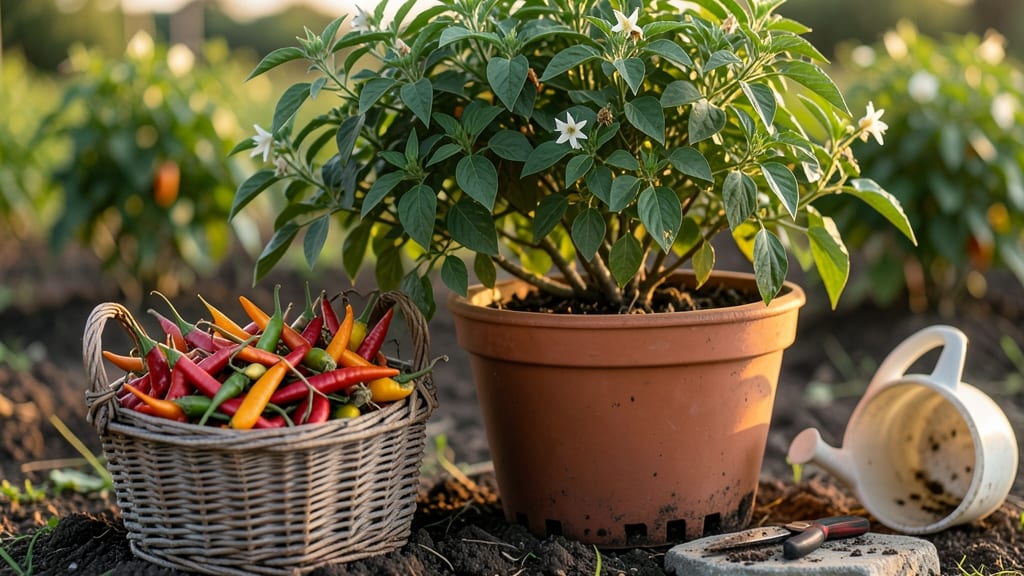
Drying cayenne peppers transforms your harvest into fiery spice that lasts months—without losing a drop of heat. 🌶️ I’ve dried thousands of peppers over the years, and the best method depends on your time, tools, and patience.
Whether you’re growing them vertically on a pole or in a traditional bed, proper drying unlocks bold, concentrated flavor for cooking or gardening uses like hot pepper sauce. The ideal cayenne for drying is fully ripe but still firm—think deep red, glossy skin, and a slight give when squeezed.
Harvest them on a dry, sunny morning to avoid moisture, then strip the stems before drying. Uneven drying leads to mold or weak flavor, so consistency is key. Air-drying in bundles takes 2-4 weeks, while the oven or dehydrator speeds it up to 4-8 hours at low heat.
Once fully dried, the peppers shrink into potent little heat bombs. Store them in airtight containers away from light, and you’ll have homemade cayenne powder or whole peppers ready whenever your recipes demand a kick.
The flavor deepens over time—unlike fresh peppers, dried ones deliver intense, smoky heat that’s perfect for sauces, rubs, or even garden pest deterrents. If you’re new to drying, start with a small batch to test your method. Too much humidity? Try a fan. Too fast? Lower the heat.
The goal is even, slow drying—rushed peppers lose flavor and may spoil faster. Once mastered, you’ll never buy store-bought cayenne again.
📚 In This Guide
- What you need
- Instructions
- Tips and common mistakes
- Wrapping up and next steps
What you need
- ● Fresh cayenne peppers: Harvest at peak ripeness (usually deep red or orange). Aim for 1–2 pounds (about 10–20 pods) for a manageable batch.
- ● Sharp knife or pruning shears: For cleanly cutting stems—sterilize with rubbing alcohol to prevent contamination.
- ● Baking sheet or drying rack: Use a wire mesh rack or a parchment-lined sheet for even airflow. Size should fit your oven or dehydrator.
- ○ Dehydrator (optional but recommended): Set to 135°F (57°C) for consistent drying. Alternatively, use a well-ventilated oven on the lowest setting.
- ● Paper towels or clean cloth: To gently pat peppers dry before drying.
- ● Air-tight storage containers: Glass jars with lids or food-grade plastic bags to preserve dried peppers for up to 1 year.
- ● Labeling supplies: Masking tape + marker to note drying dates.
- ● Food dehydrator: Faster and more energy-efficient than an oven for large batches.
- ● Humidity monitor: Ideal for checking ambient moisture levels (below 50% is best for drying).
- ● Silica gel packets: Place in storage containers to absorb excess moisture.
- ● Spice grinder or mortar & pestle: For crushing dried peppers into flakes or powder post-drying.
- ● Essential oil (e.g., lemon or orange): A few drops in storage containers to repel pests naturally.
Step-by-step guide to drying cayenne peppers for long-term heat preservation
Here’s the foolproof method I’ve used to preserve cayenne peppers—no special equipment needed, just patience and the right conditions.
🌱 Step 1: Harvest and Prepare Peppers for Drying
Pick cayenne peppers when they’re fully mature but still firm—usually 30-45 days after flowering. Avoid any with soft spots or wrinkles, as they won’t dry evenly. Cut stems cleanly with a sharp knife, leaving ½ inch of stem attached to help them hang securely later. This small stem acts like a natural hanger, saving you from wrestling with slippery peppers.
Don’t wash the peppers before drying—moisture speeds up mold growth. Instead, wipe them gently with a dry cloth to remove dirt. If you’re drying a large batch, spread them on a clean towel in a single layer for 30 minutes in a dry, shaded area. This ensures they start the drying process with minimal surface moisture.
☀️ Step 2: Choose Your Drying Method
For best results, I recommend air drying—it’s the simplest and preserves the most flavor. Hang peppers in a warm, dry, well-ventilated spot with temperatures between 65-85°F and low humidity (below 50%). A sunny windowsill, attic, or dehydrator set to 125°F works perfectly. Avoid direct sunlight—it can scorch the peppers and dull their heat.
To hang them, thread a string or twine through the stems and tie them in small bunches. Space them 2-3 inches apart so air circulates freely. If you don’t have stems, skewer them through the sides with toothpicks or small dowels and lay them on a drying rack. Watch for wrinkling and color deepening—these are your cues that drying is progressing.
⏰ Step 3: Monitor and Complete the Drying Process
Drying time varies by method: air drying takes 2-4 weeks, while a dehydrator finishes in 4-6 hours. Peppers are done when they’re completely dry, leathery, and brittle—they should snap easily when bent. Store-bought dehydrators are great, but even a well-ventilated oven on low heat (170°F) works in a pinch. Just prop the door open 1 inch to let moisture escape.
Check peppers daily for mold (fuzzy spots) or pests (tiny holes). If you spot any, remove the affected peppers immediately and discard them. Once fully dried, the peppers should shrink to about ⅓ their original size and feel light in your hand. Store them in airtight containers away from light—this keeps their heat and flavor locked in for up to 1 year.
✂️ Step 4: Store and Use Your Dried Cayennes
Crush dried peppers into flakes or grind them into powder using a mortar and pestle or spice grinder. For whole peppers, keep them whole in jars—this makes it easy to add 1-2 peppers per dish for controlled heat. Label your containers with the date and heat level (mild, medium, or hot) so you can track potency over time.
Real talk: Dried cayennes lose some heat as they age, so use them within 6 months for the strongest kick. If you’re making hot sauce, blend dried peppers with vinegar and let it steep for 2 weeks—this extracts maximum flavor and heat. And if you’re new to drying, start with a small batch. You’ll quickly learn how your space affects drying speed.
Tips & tricks for perfectly dried cayenne peppers
Here's what nobody tells you about getting cayenne peppers to dry just right—these tricks will save you from moldy batches and weak heat.
Harvest Timing: The 30-45 day window after flowering is critical—peppers harvested too early won't develop full heat, while overripe ones turn mushy. Look for deep red color and firm texture. I always test one pepper first by cutting it open: if the seeds are fully developed and the flesh is thick, they're ready. This simple check prevents wasting underripe peppers that'll never dry properly.
Pre-Drying Prep: That 30-minute towel spread isn't just about dirt—it's about moisture control. Surface moisture creates the perfect environment for mold, which can ruin your entire batch. I use a clean kitchen towel and work in a shaded area to prevent any accidental heat from speeding up moisture evaporation unevenly. Trust me on this: skipping this step is how you end up with fuzzy green spots instead of beautiful dried peppers.
Temperature Control: The 65-85°F range isn't arbitrary—it's the Goldilocks zone where peppers dry slowly enough to preserve flavor but quickly enough to prevent spoilage. If your space runs hotter, consider using a dehydrator at 125°F instead of air drying. I've learned this the hard way after ruining batches in my attic during summer heatwaves. The key is consistency: sudden temperature swings can create condensation, which is mold's best friend.
Storage Wisdom: Once fully dried, your peppers will last up to 1 year—but only if stored properly. I use dark amber glass jars with tight-sealing lids and store them in my pantry away from the stove. The first thing I do after drying is crush 1-2 peppers and taste them: if they still pack serious heat, I know my storage method is working. For maximum potency, use them within 6 months, especially if you're making hot sauces where freshness matters most.
Pro Tips for How Do You Dry Cayenne Peppers
- Here's what nobody tells you about getting cayenne peppers to dry just right—these tricks will save you from moldy batches and weak heat.
- Harvest Timing: The 30-45 day window after flowering is critical—peppers harvested too early won't develop full heat, while overripe ones turn mushy.
- Pre-Drying Prep: That 30-minute towel spread isn't just about dirt—it's about moisture control.
Frequently asked questions
about drying cayenne peppers—because even the spiciest chefs need a little guidance! Here are answers to the most common questions to help you master the drying process like a pro.How long does it take to dry cayenne peppers?
Drying time depends on your method:
- Dehydrator: 4–6 hours at 125–135°F (52–57°C).
- Oven: 2–4 hours at 175°F (80°C) with the door cracked open.
- Air-drying: 1–2 weeks in a warm, dry, well-ventilated space.
Can I speed up the drying process?
Yes! For faster results:
- Use a dehydrator (most efficient).
- Pre-slice peppers thinly (¼-inch or less).
- Avoid overcrowding trays for even airflow.
What if my cayenne peppers mold during drying?
Mold is a sign of high humidity or improper airflow. If you spot mold:
- Discard the affected peppers immediately.
- Ensure your drying space is clean and well-ventilated.
- Use a food dehydrator or oven for better control.
How should I store dried cayenne peppers?
Store them in an airtight container (glass jars or resealable bags) in a cool, dark place (like a pantry). Dried cayennes keep for 6–12 months if moisture-free. For longer storage, freeze them!
Can I use dried cayenne peppers instead of fresh in recipes?
Dried cayennes are 3–5x hotter than fresh, so use ⅓ the amount in recipes. Crush or grind them into a powder for maximum heat. Perfect for sauces, rubs, or spice blends!
Wrapping up and next steps
Drying cayenne peppers is a simple yet rewarding way to preserve their bold flavor and fiery kick for months! Whether you air-dry them on a rack, dehydrate for speed, or oven-dry with precision, the key is patience and proper airflow.
Once dried, store them in airtight containers to keep their heat and potency intact—ready for your next culinary adventure. 🌶️✨
Now that you’ve mastered the art of drying, why not experiment? Try grinding your dried peppers into flakes for homemade hot sauce, or blend them into a spicy rub. Your kitchen (and taste buds) will thank you!