
Size
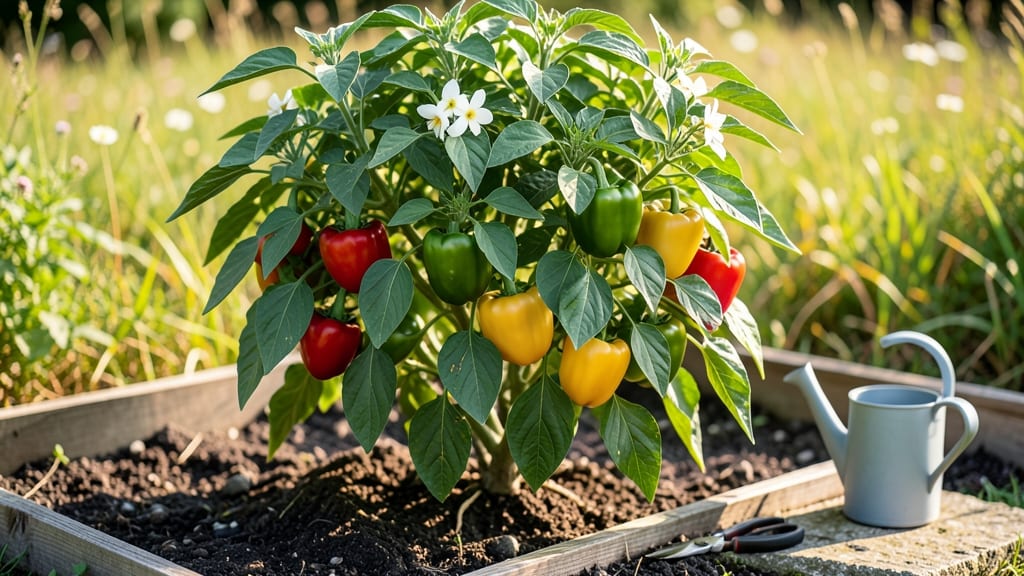
Bell peppers grow to sizes that can surprise even experienced gardeners — from tiny 2-inch mini varieties to 6-inch-long monsters, depending on the type you’re growing 🌶️.
Ever wondered why your bell pepper plant keeps producing tiny fruits when you expected plump, market-ready peppers? The answer lies in the variety you’ve chosen and how you’re caring for it.
Most standard bell peppers like the classic green or red varieties reach 3 to 4 inches in length and 2 to 3 inches in width at maturity, but some heirloom or hybrid types can stretch up to 7 inches long.
In this guide, I’ll break down exact sizes by variety, how growth stages affect final dimensions, and the simple tweaks you can make to ensure your peppers reach their full potential — whether you’re dealing with bushy plants or sprawling vines.
Bell pepper size by variety: exact dimensions for common types
Understanding the bell pepper size by variety is essential for planning your garden layout and managing expectations. Most home gardeners expect standard bell peppers to reach a familiar size, but varieties like mini bell peppers or giant varieties can dramatically change your harvest's appearance and yield.
Knowing these dimensions helps you space plants correctly, prune effectively, and even troubleshoot why your peppers might be staying small.
Bell pepper sizes are typically measured by their length, width, and weight at maturity. For example, a standard green bell pepper often grows to about 3-4 inches long, while mini bell peppers like 'Snackbell' stay under 2 inches.
These differences aren't just about aesthetics—they impact how you'll use them in recipes, store them, and even how many plants you'll need for your family's needs.
To put these sizes into perspective, I’ve compared them to everyday objects. A mature bell pepper is roughly the size of a large egg or a small apple, while a mini bell pepper is closer to the size of a golf ball.
This visual comparison can help you visualize what to expect when harvesting.
Here’s a breakdown of the most common bell pepper varieties and their typical dimensions at maturity, including length, width, and weight, along with practical tips for each size category. This will help you choose the right varieties for your garden space and culinary plans.
If you're growing standard bell peppers like 'California Wonder,' you can expect them to reach 3-4 inches in length and weigh between 4-6 ounces at maturity. These are the varieties most commonly found in grocery stores and are perfect for stuffing, grilling, or slicing into salads.
Their size makes them ideal for most gardeners, as they’re large enough to be useful but not so big that they overwhelm smaller garden spaces.
For those who love mini bell peppers, varieties like 'Snackbell' or 'Tiny Tim' are fantastic choices. These peppers stay under 2 inches long and weigh just 1-2 ounces, making them perfect for snacking straight off the vine or adding a pop of color to charcuterie boards.
They’re also great for container gardening because their compact size means you can fit more plants into a small space.
On the other end of the spectrum, large bell pepper varieties like 'Monster' or 'Beefsteak' can grow up to 7 inches long and weigh 8-12 ounces. These are the peppers you’ll find in farmers' markets labeled as "giant" or "jumbo."
They’re ideal if you love stuffing peppers or making hearty pepper-based dishes, but they do require more space to grow properly. Plan to space these varieties 18-24 inches apart to give them room to thrive.
Choosing the right bell pepper variety based on size isn’t just about preference—it also affects your garden’s spacing requirements and yield expectations. For instance, planting mini bell peppers allows you to fit more plants in a small garden, while large varieties will produce fewer peppers but in bigger sizes.
How bell pepper size changes through growth stages
Bell peppers don't magically appear at their full size—they grow through distinct stages, each with measurable milestones. Understanding these changes helps you predict harvest timing and spot potential issues early. From tiny buds to market-ready fruits, size progression reveals the plant's health and environmental needs at every turn.
At the flowering stage, bell pepper buds appear as small green nubs, typically 0.25-0.5 inches long. This is when pollination begins, setting the foundation for fruit development. Warm temperatures and proper sunlight accelerate this critical phase, while cool weather can delay bud formation.
Bud Size: 0.25-0.5"
Size: 1-2" long, 0.5-1" wide
Size: 3-6" long, 2-3" wide (varies by variety)
Full sun = 30% faster growth; cool temps slow development
During the immature fruit stage, peppers grow rapidly—reaching 1-2 inches long within 2-3 weeks. Their color may shift from green to the variety's mature hue, and their shape becomes more defined. This phase is highly sensitive to water consistency; uneven moisture causes misshapen fruits or cracked skins.
By the mature stage, bell peppers reach their full size—typically 3-6 inches long—though some varieties like 'Jupiter' can exceed 12 inches. Size at maturity depends on genetics, sunlight exposure, and soil nutrients. Pruning excess foliage redirects energy to fruit development, often resulting in larger, more uniform peppers.
Environmental factors dramatically influence growth speed. Full sun exposure accelerates development by 30% or more compared to partial shade, while consistent temperatures between 70-85°F optimize fruit expansion. Extreme heat or cold can stunt growth, leading to smaller peppers or blossom end rot.
Monitoring size progression helps you adjust care routines. For example, if peppers stall at 2 inches for weeks, check for nutrient deficiencies or pests like aphids. Regular harvesting of mature peppers encourages the plant to produce more, extending your harvest season.