
Propagation
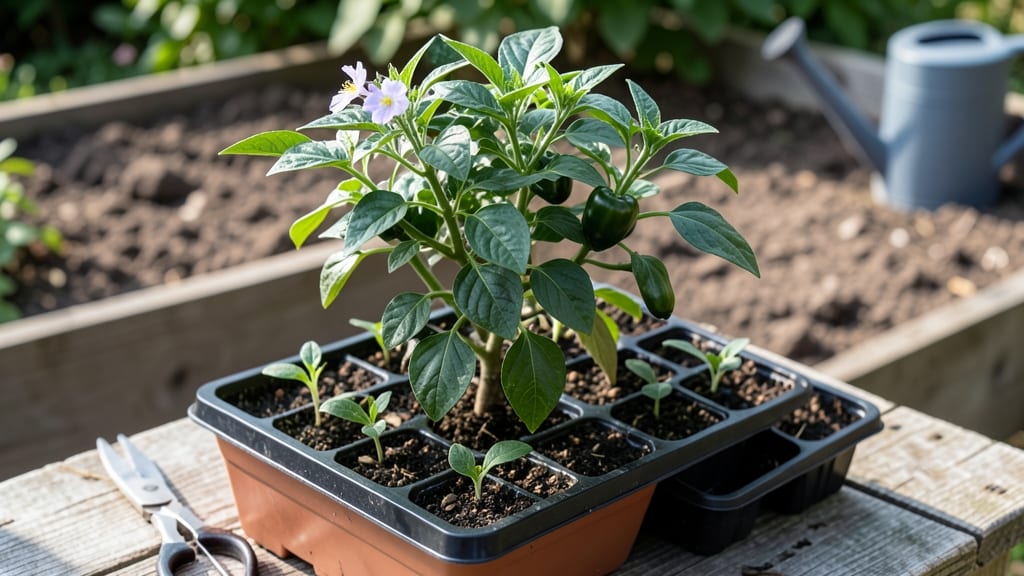
Growing black peppercorn from seed means your kitchen could one day smell like a spice market. 🌿 The journey starts with a single seed and ends with a vine that can live for decades—if you're patient enough to wait.
I've nurtured mine through slow starts, leaf drop, and even a few pest scares, and now it's a thriving 5-foot climber with tiny green peppercorns forming. The secret isn't just warm soil or high humidity—it's understanding this vine's tropical nature.
Even in cooler climates, you can grow it indoors near a sunny window or under grow lights, mimicking its jungle home. My first harvest took three years, but the satisfaction of grinding homegrown black pepper makes every slow season worth it.
You'll end up with glossy, heart-shaped leaves and delicate white flowers that turn into those familiar little berries. The vine itself is a conversation piece, with its wiry stems and vibrant foliage that brightens any space.
Plus, once established, it's surprisingly low-maintenance—just prune to encourage bushiness and keep it watered consistently. This isn't a quick project, but the payoff is worth it. Whether you're growing it as a houseplant or in a greenhouse, the key is consistency. Let's get those seeds sprouting!
📚 In This Guide
- What you need
- Instructions
- Tips and common mistakes
- Wrapping up and next steps
What you need
- ● Black pepper seeds: 5–10 fresh, organic seeds (ensure they’re viable—soak in warm water for 24 hours to test).
- ● Growing containers: 2–3 small pots (4–6 inches wide) for seedlings, with drainage holes.
- ● 1 large container (12+ inches wide) or raised bed for mature vines (if growing outdoors).
- ● High-quality potting mix: 2–3 bags of well-draining, peat-based or coconut coir mix (add perlite or sand for aeration).
- ● Grow lights or sunny window: A full-spectrum LED grow light (12–16 hours/day) or a south-facing window (if indoors).
- ● Humidity dome or plastic wrap: To retain moisture during germination.
- ● Spray bottle: For gentle watering (avoid over-saturating seeds).
- ● Trellis or stakes: 3–4 bamboo stakes or a small trellis (4–6 feet tall) for vine support.
- ● Fertilizer: Balanced liquid fertilizer (10-10-10) or organic compost tea (diluted to half-strength).
- ● Seedling heat mat (70–80°F) to speed up germination.
- ● pH test kit (ideal soil pH: 6.0–6.5).
- ● Mulch (straw or shredded leaves) to retain soil moisture outdoors.
- ● Pruning shears for trimming vines as they grow.
- ● Pest control: Neem oil or insecticidal soap (prevents spider mites/aphids).
Step-by-step instructions for growing black peppercorn from seed
Here's how to coax these tropical vines to life—whether you're growing them indoors or outdoors.
🌱 Step 1: Soak and Prepare the Seeds
Black pepper seeds have a tough outer shell that needs help breaking dormancy. Fill a small bowl with warm water and add the seeds. Let them soak for 24-48 hours—you'll see the outer coating soften and tiny cracks appear. This step is critical: dry seeds won't germinate without this pre-treatment.
After soaking, drain the water and place the seeds between two damp paper towels. Roll them up and secure with a rubber band. Keep them in a warm spot—75-85°F is ideal—until you see the first signs of sprouting, which usually takes 5-10 days. Check daily to ensure the towels stay moist but not soggy.
🪴 Step 2: Plant in Well-Draining, Warm Soil
Black pepper thrives in rich, slightly acidic soil with excellent drainage. Use a mix of 50% peat moss or coconut coir, 30% perlite or vermiculite, and 20% compost. Fill small pots—3-4 inches deep—with this mix and make a hole about ½ inch deep.
Plant one seed per pot, pressing it lightly into the hole so the soil covers it completely. Water gently until the soil is moist but not waterlogged. Place the pots in a warm, humid environment—like a propagator or a clear plastic bag over a heat mat—to encourage germination. Keep the soil consistently moist, but avoid letting it sit in water.
☀️ Step 3: Provide Warmth, Humidity, and Indirect Light
Black pepper seedlings need a warm, humid environment to thrive. Maintain temperatures between 75-85°F for the first few weeks. If growing indoors, place the pots under a grow light or in a bright, indirect spot—like a south-facing window with sheer curtains. Direct sunlight can scorch young seedlings.
Humidity is key. Mist the seedlings daily or use a humidity dome to keep the air moist. You'll know you've got it right when condensation forms on the inside of the dome or plastic bag. Once the seedlings have 2-3 sets of true leaves—about 4-6 weeks—they're ready for a slightly larger pot, 6-8 inches deep.
🌿 Step 4: Train and Support the Vine
Black pepper is a climbing vine, so it needs support to grow properly. Install a small trellis, bamboo stake, or even a simple string line for the vine to climb. Gently guide the main stem along the support as it grows. Prune any side shoots that emerge early to encourage a single strong stem.
Once the vine reaches the top of its support, pinch back the tip to encourage bushier growth. This will help the plant produce more flowers and, eventually, peppercorns. Keep the soil consistently moist but not waterlogged, and fertilize every 4-6 weeks with a balanced, water-soluble fertilizer diluted to half strength.
⏰ Step 5: Flower, Pollinate, and Harvest
Black pepper plants typically take 2-3 years to mature and produce fruit. When the plant is established, it will produce small white flowers that eventually turn into green peppercorns. Hand-pollinate the flowers by gently shaking the plant or using a small paintbrush to transfer pollen from one flower to another.
Once the peppercorns turn red, they're ready to harvest. Pick them when fully ripe for the best flavor. To dry them, spread them out in a single layer on a tray and let them dry in a warm, dry place for 2-4 weeks. Once fully dried, they'll turn black—ready to use or store in an airtight container.
Tips & tricks for perfect black peppercorn growth
Growing black peppercorns from seed is a rewarding journey—here’s how to avoid common pitfalls and maximize success.
Seed Preparation: The 24-48 hour soak is non-negotiable for breaking dormancy, but don’t rush it. I’ve seen seeds fail to sprout when soaked for only 12 hours—be patient! After soaking, gently squeeze the paper towels to remove excess water before rolling them up. Too much moisture can lead to mold, while too little will slow germination. The goal is damp, not dripping.
Soil Mix: That 50-30-20 ratio of peat moss/coir, perlite/vermiculite, and compost isn’t just arbitrary—it’s about balance. Peat moss holds moisture while perlite ensures drainage. If you’re using coconut coir, rinse it thoroughly first to remove excess salts. I’ve had the best results when mixing the ingredients by volume rather than weight, especially for small pots.
Light and Temperature: The 75-85°F range is critical during those first few weeks, but consistency matters more than exact degrees. If your home runs cooler, place a small space heater near the seedlings (but not too close!). For indoor growers, a simple LED grow light on a timer works wonders—just 12 hours of light per day is enough. Direct sunlight is a no-go for seedlings; it burns them faster than you’d think.
Long-Term Care: When your vine reaches the top of its support, that pinch-back moment is your cue to encourage bushier growth. I’ve found that pruning side shoots early (before they’re 2 inches long) prevents overcrowding and directs energy to fruit production. And remember: those 4-6 week fertilizing intervals? Stick to half-strength fertilizer—peppercorns are sensitive to salt buildup over time.
Pro Tips for Grow Black Peppercorn From Seed
- Growing black peppercorns from seed is a rewarding journey—here’s how to avoid common pitfalls and maximize success.
- Seed Preparation: The 24-48 hour soak is non-negotiable for breaking dormancy, but don’t rush it.
- Soil Mix: That 50-30-20 ratio of peat moss/coir, perlite/vermiculite, and compost isn’t just arbitrary—it’s about balance.
Frequently asked questions
Got questions?
Growing black peppercorn from seed can be rewarding but also comes with its own set of curiosities. Here are answers to some of the most common queries to help you navigate the process like a pro!
How long does it take for black peppercorn seeds to germinate?
Patience is key! Black peppercorn seeds typically take 4 to 12 weeks to germinate. Keep the soil consistently moist (but not soggy) and warm (around 70–80°F) to encourage sprouting. Some seeds may take longer, so don’t lose hope—consistency is everything!
When will my black pepper plant produce peppercorns?
If all goes well, you can expect your plant to flower and produce peppercorns in about 3 to 5 years. Young plants focus on root and vine growth first, so don’t rush it! With proper care—like climbing support, humidity, and patience—you’ll be harvesting soon enough.
Can I grow black peppercorn indoors, or do I need a greenhouse?
Yes, you can grow black peppercorn indoors, but it requires the right setup. Mimic tropical conditions with bright, indirect light, high humidity (60–80%), and a warm spot (ideally 70–85°F). A greenhouse or sunroom is ideal, but a well-lit windowsill with supplemental grow lights can work too!
What should I do if my black pepper plant’s leaves turn yellow?
Yellowing leaves often signal overwatering, nutrient deficiency, or poor drainage. Check the soil—it should be slightly moist but not waterlogged. Ensure your pot has drainage holes and consider fertilizing with a balanced, tropical-plant-friendly formula. Adjust watering and watch for improvement!
Are black peppercorn seeds easy to find, or do I need to buy them from specialty stores?
You can find black peppercorn seeds online from specialty seed suppliers or even some tropical plant nurseries. Avoid using grocery-store peppercorns—they’re often treated to prevent sprouting. Look for organic, untreated seeds for the best germination success!
Wrapping up and next steps
Growing black peppercorn from seed is a rewarding journey that brings a touch of the tropics to your home—whether indoors or out! 🌱 With patience, the right conditions, and a little care, you’ll soon be harvesting your own fragrant, spicy peppercorns.
Start small, stay consistent, and don’t hesitate to experiment with pruning or container sizes to find what works best for your space.
Ready to take the next step? Share your progress with fellow plant enthusiasts or explore other tropical plants to expand your indoor jungle. Happy growing—and may your kitchen soon be filled with the bold, aromatic flavors of homegrown black pepper! 🌿✨