
How To
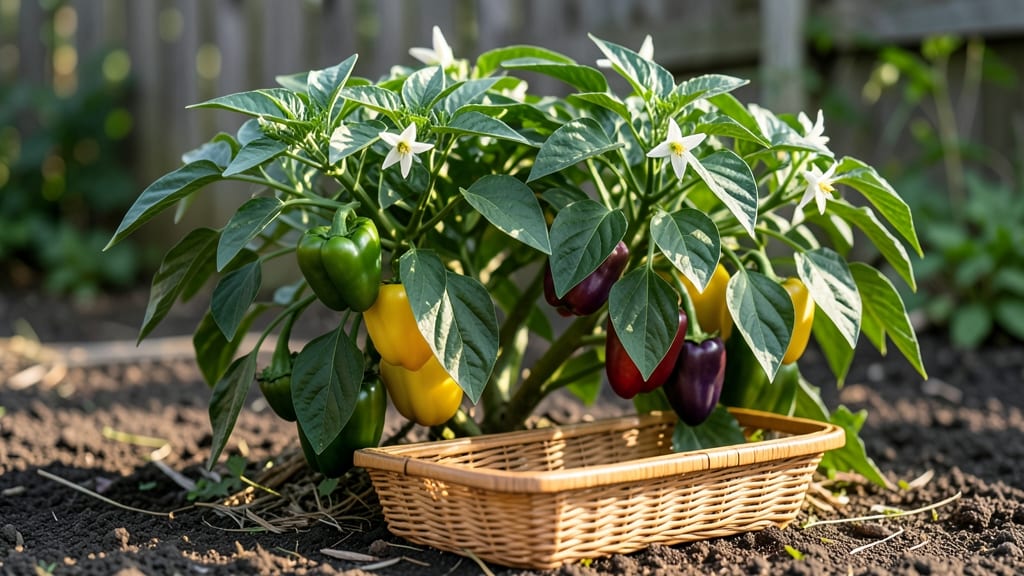
Knowing when bell peppers 🌶️ are ready to pick means the difference between a crisp, flavorful harvest and a meal of bland, underripe pods.
Picture this: you’ve waited months for your bell peppers to mature, only to pluck one that’s still tough, pale, or worse—still growing on the vine. That’s a classic sign you missed the window, and it happens more often than you’d think.
Luckily, there are three foolproof ways to tell when your bell peppers are truly ready: checking their color, size, and firmness. These simple tests will help you avoid the frustration of picking too early or waiting too long.
In this guide, I’ll walk you through each step—plus how to adjust for different varieties and climates—so you can enjoy the best-tasting peppers straight from your garden.

The 3 key signs bell peppers are ready to harvest (color, size & texture)
Bell peppers are one of those garden rewards that feel like a culinary treasure when picked perfectly—but timing is everything. A green pepper harvested too early will taste bland, while waiting too long risks overripe, mealy flesh.
The secret lies in mastering three visual and tactile cues: color depth, size consistency, and skin firmness. These signs work for all varieties, from classic red bell peppers to heirloom purple types.
Most gardeners focus only on color changes, but that’s just one piece of the puzzle. A pepper might look ripe but still be underripe inside, or appear perfect on the outside while hiding overripe soft spots.
I’ve learned the hard way—skipping the finger squeeze test led to a batch of peppers that were tough and seedy when I wanted them tender and sweet. Let’s break down what to watch for, so you never miss the peak harvest window again.
| Sign | Ready Pepper | Not Ready Pepper | Pro Tip |
|---|---|---|---|
| Color | Deep, uniform color (no green at stem for mature varieties) | Pale or patchy color with green at stem | Green peppers can be harvested young, but red/yellow types need full color change |
| Size | 3-6 inches long, depending on variety (e.g., banana peppers stay small) | Smaller than expected for variety (e.g., 2-inch red bell) | Check seed packet for mature size range—some varieties stay compact |
| Texture | Firm but slightly yielding when pressed (like a ripe avocado) | Skin dents easily or feels soft/wrinkled | Overripe peppers lose glossy sheen—harvest before this happens |
| Stem Test | Stem snaps cleanly when bent at base | Stem resists breaking or pulls out with force | If the stem won’t separate, the pepper isn’t ready yet |
Let’s start with color, since it’s the most obvious clue. For green bell peppers, maturity means a deep, glossy green with no yellowing. But if you’re growing red, yellow, or orange varieties, wait until the color is fully developed—no streaks of green near the stem.
I once picked a red pepper with a tiny green spot and ended up with a bland, underripe fruit. Pro tip: Purple or black bell peppers (like ‘Black Beauty’) deepen to a rich hue—harvest when the color is consistent all over.
Next, size matters, but don’t assume bigger is always better. A 3-inch banana pepper is mature at that size, while a 6-inch red bell is ideal. Check your seed packet for variety-specific ranges, as some stay compact.
I’ve seen gardeners pull peppers too early because they thought bigger meant riper—only to find they were still tough and seedy. Measure against your thumb: most standard bells should be about 1.5–2 times your thumb’s width.
The finger squeeze test is my fail-safe method for avoiding overripe peppers. Gently press a pepper with your thumb—it should yield slightly but spring back. If it feels spongy or leaves an indentation, it’s past its prime. Overripe peppers also lose their glossy skin, becoming dull and wrinkled.
I test 2–3 peppers per plant to confirm ripeness, especially in hot climates where peppers ripen faster. Cool weather slows ripening, so adjust your expectations if temperatures dip.
One mistake I see often is waiting too long for color change, especially in short-season areas. If frost threatens, harvest green peppers—they’ll ripen indoors over 1–2 weeks. For fully ripe colors, prioritize peppers showing the most color first.
Another trick: Pick in the morning when peppers are cool and firmest. I’ve noticed that afternoon heat can make them feel softer, leading to false “overripe” readings.
Don’t forget to check the stem—this is a quick way to avoid mistakes. A ready pepper’s stem should separate cleanly when you twist gently. If it resists or tears, the pepper needs more time.
I learned this the hard way with ‘Jalapeño M’ peppers—pulling too soon left me with tiny, pithy fruits. For heirloom varieties, like ‘Purple Beauty,’ the stem test is especially critical since their colors can be misleadingly vibrant before full maturity.
Finally, harvest frequency affects ripeness. If you wait too long between pickings, peppers can overcrowd the plant, leading to smaller, less flavorful fruits. I now check my plants every 2–3 days during peak season, removing ripe peppers immediately.
This encourages the plant to produce more, giving you a continuous harvest instead of one big batch. For container
How to test bell pepper ripeness without guessing: a step-by-step guide
Determining when bell peppers are ready to pick can feel like a guessing game—until you know the exact visual and tactile cues to look for. Overripe peppers lose flavor and texture, while underripe ones lack sweetness.
The good news? With these foolproof methods, you’ll never second-guess your harvest again. Start by checking the skin’s glossiness, which signals proper hydration and maturity.
Climate plays a surprising role in ripening speed. In hotter regions, peppers may ripen faster, while cooler climates slow the process. If your peppers are taking longer than expected, adjust your harvest window by checking for readiness 2-3 days earlier than usual.
This simple tweak prevents missing the peak flavor window entirely.
-
Step 1: Check the Color
Look for deep, consistent color (no green at the stem for mature varieties). Green peppers should be fully 3-6 inches long and firm. -
Step 2: Perform the Finger Squeeze
Gently press the pepper—it should yield slightly but resist indentation. Overripe peppers feel mushy, while underripe ones feel hard. -
Step 3: Test Stem Separation
Grip the pepper near the stem and twist gently. If it separates cleanly, it’s ready. If the stem resists, wait 2-3 more days. -
Step 4: Inspect for Glossy Skin
Mature peppers have a slightly shiny surface. Dull or wrinkled skin means the pepper is past its prime. -
Step 5: Adjust for Climate
In cool climates, peppers may ripen slower—check for readiness 5-7 days earlier than in hotter regions.
Don’t rely solely on color—many gardeners make the mistake of picking peppers too early just because they’ve changed hue. For example, a red bell pepper might look ripe but still feel hard when squeezed.
Always combine color, firmness, and stem separation for accuracy. This three-step verification ensures you’re harvesting at peak flavor.
Pro tip: Use a small notebook to track your pepper varieties. Note when each type reaches maturity—some, like ‘Sweet Banana’, ripen faster than others. Over time, you’ll predict harvest windows with precision, even adjusting for unexpected weather shifts like sudden heatwaves or cool snaps.
If you’re growing multiple varieties, prioritize harvesting the fastest-ripening types first. This prevents overcrowding on the plant and ensures all peppers reach their full potential. For example, ‘Jupiter’ peppers mature in 60 days, while ‘Black Beauty’ takes closer to 85 days.
Staggering your harvest keeps your garden productive all season.
Remember, the earlier you harvest, the more peppers your plant will produce. But wait too long, and you’ll end up with shriveled, flavorless peppers. By mastering these tests, you’ll maximize both yield and taste—no more wasted effort or disappointing bites. Happy harvesting! 🌶️