
Companion Plants
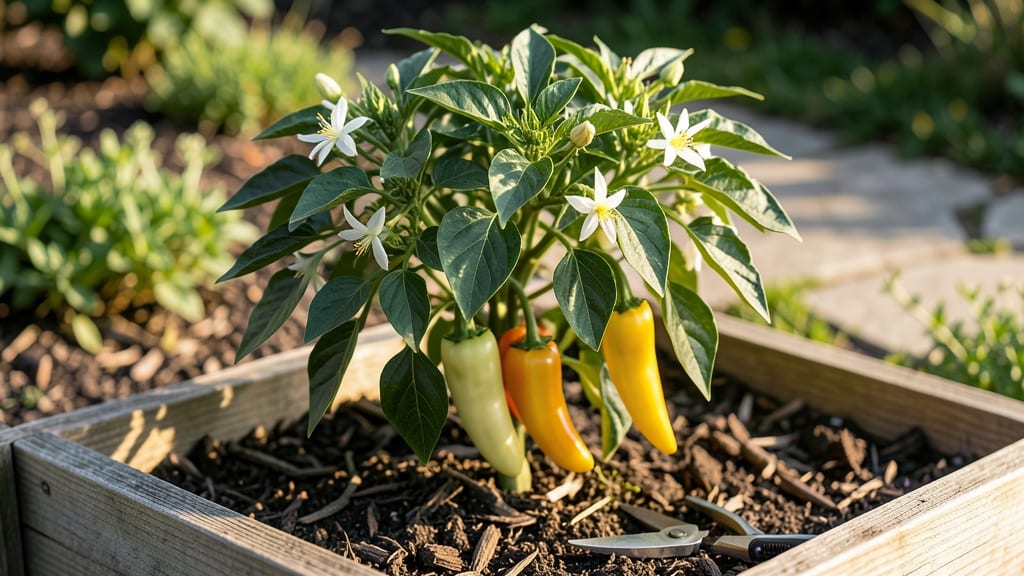
Banana pepper plants start with delicate, heart-shaped leaves that look nothing like the thick, waxy foliage of mature peppers. 🌱 The real giveaway comes later—when they hit 12-18 inches tall, their leaves develop a slightly wrinkled texture and a faint citrusy scent when crushed.
Unlike jalapeños or bell peppers, banana peppers grow in tight clusters, with stems packed close together like bunches of grapes. Young plants resemble other pepper seedlings until they flower, when you’ll spot small white blooms that turn into the signature yellow, banana-shaped fruits (hence the name).
The fruits start green but ripen to a pale yellow, staying smooth and slender—never the blocky shape of bell peppers. Confusion often comes from their similarity to shishito peppers, but banana peppers hold their heat longer and grow in denser clusters.
By mid-summer, your plant will be a bushy, productive machine, with new leaves emerging constantly. The stems stay green and sturdy, never woody like habaneros, and the fruits dangle like tiny, edible bananas. This is when they hit their peak flavor—sweet, tangy, and just spicy enough to tease.
Grow them in full sun (6+ hours daily) with well-draining soil, and they’ll reward you with harvests from late summer through frost. The more you prune, the bushier they grow—so pinch back early to encourage those signature clusters. Now, go find your plant and spot the differences!
📚 In This Guide
- What you need
- Instructions
- Tips and common mistakes
- Wrapping up and next steps
What you need
- ● Banana pepper seeds or seedlings: Choose disease-resistant varieties (e.g., 'Banana', 'Yellow Banana', or 'Sweet Banana'). Start with 3-5 seeds or 1-2 healthy seedlings for a small harvest.
- ● Well-draining potting mix: A 5-gallon bag of high-quality, organic mix (e.g., 60% peat moss, 30% perlite, 10% compost). Avoid heavy clay soil.
- ● Containers or garden bed: For containers: 5-7 gallon pots with drainage holes (1 pot per plant).
- ● For garden beds: A sunny spot with 6+ hours of sunlight daily and loose, fertile soil (pH 6.0–6.8).
- ● Fertilizer: A balanced, slow-release fertilizer (e.g., 10-10-10 NPK) or organic options like composted manure or worm castings.
- ● Watering can or hose: With a gentle spray nozzle to avoid damaging delicate stems.
- ○ Support stakes or cages (optional but helpful): 4-6 ft tall bamboo stakes or tomato cages to support heavy fruit clusters.
- ● Pruning shears: For trimming dead leaves or shaping the plant (sterilize with rubbing alcohol).
- ● pH test kit: To monitor soil acidity (aim for 6.0–6.8).
- ● Mulch (straw or shredded leaves): 1–2 inches to retain moisture and suppress weeds.
- ● Shade cloth (lightweight): For seedlings if your climate gets intense afternoon sun (30–50% shade).
- ● Gloves: To protect hands from thorns (especially on mature plants!).
- ● 🌡️ Temperature: Banana peppers thrive in 70–85°F soil temps. Use a seedling heat mat if starting indoors.
- ● ✨ Sunlight: If growing in containers, place them in a south-facing window or use grow lights (12–16 hrs/day) for seedlings.
- ● 💧 Watering: Keep soil consistently moist but not soggy—drought stress can reduce fruit quality.
How to identify banana pepper plants by their distinct traits
Here's how to spot banana peppers in your garden—from their first leaves to their signature harvest.
🌱 Step 1: Recognize the Early Leaf Shape
Young banana pepper seedlings start with oval, slightly pointed leaves that grow in a bright green hue. Unlike other peppers, their first true leaves are smooth-edged and slightly elongated, not lobed or jagged. These leaves grow 2-3 inches long within a few weeks, forming a neat, upright pattern.
If you see hairy stems or deeply serrated edges, it’s not a banana pepper. True banana peppers develop smooth, waxy foliage that feels slightly leathery to the touch. I always compare them to young tomato seedlings—similar shape but with a slightly thicker stem.
🌿 Step 2: Watch for Mature Leaf Structure
As the plant matures, banana pepper leaves grow 3-5 inches long with a distinct lance-shaped form. The edges remain smooth, but the leaves develop a slightly wavy texture along the margins. The undersides are lighter green, almost yellowish, which helps them reflect excess sunlight.
Look for branching stems that grow 18-24 inches tall at maturity. The leaves cluster closely along the stem, forming a compact, bushy appearance. Unlike jalapeños or serranos, banana peppers don’t grow spiky or thorny stems—their branches are smooth and flexible.
🌶️ Step 3: Identify the Signature Flowers and Fruit
Banana pepper plants produce small white flowers that grow in clusters at the stem tips. These flowers are star-shaped with five petals, about ½ inch wide, and appear in late spring or early summer. The flowers smell faintly sweet, which attracts pollinators like bees.
After pollination, the flowers develop into long, slender fruits that start green and gradually turn yellow when ripe. Unlike other peppers, banana peppers grow 3-5 inches long and ½ inch wide, with a smooth, slightly curved shape. When fully ripe, they turn a bright yellow, resembling a small banana—hence the name.
✂️ Step 4: Compare to Common Look-Alikes
Banana peppers can be confused with jalapeños or serranos, but there are key differences. Jalapeños have thicker, blockier fruits and darker green leaves, while serranos grow smaller, more tapered peppers with rougher stems. Banana peppers also lack the thorny growths common on hotter pepper varieties.
If you’re unsure, check the fruit shape and color. Banana peppers stay smooth and slender until harvest, while other peppers may develop bumps or ridges. I always harvest a few to taste—banana peppers have a mild, sweet heat, unlike the sharp burn of jalapeños.
Tips & tricks for identifying banana pepper plants
These key details will help you confidently distinguish banana pepper plants from look-alikes in your garden.
Leaf Texture is Your First Clue: Run your fingers along the leaves—banana pepper foliage feels smooth and slightly leathery, unlike the rougher texture of hotter peppers. The undersides have that distinctive lighter green, almost yellowish tint that helps reflect sunlight. I've seen gardeners mistake serrano seedlings for banana peppers because of their similar early growth, but the leaf texture gives them away immediately.
Growth Pattern Matters: Notice how the leaves cluster compact and bushy along the stems, with branches growing 18-24 inches tall at maturity. The stems themselves are smooth and flexible—never spiky like jalapeños. This upright, dense growth pattern is what sets them apart from sprawling pepper varieties. When comparing plants, check the stem flexibility first—it's a dead giveaway.
Flower and Fruit Shape Reveal All: Those star-shaped white flowers with five petals are unmistakable when they appear in late spring. The fruits develop into long, slender peppers that stay smooth and curved until harvest. Unlike other peppers that develop bumps or ridges, banana peppers maintain their sleek shape. The color progression from green to bright yellow is another key identifier—no other pepper turns this vibrant shade when ripe.
Seasonal Timing Tip: Banana peppers follow a predictable growth timeline. Seedlings should show their first true leaves in 2-3 weeks, with mature leaves reaching 3-5 inches by mid-summer. The flowers appear around late spring to early summer, and fruits develop 6-8 weeks after flowering. If your plants don't follow this timeline, they might be a different variety.
Pro Tips for What Do Banana Pepper Plants Look Like
- These key details will help you confidently distinguish banana pepper plants from look-alikes in your garden.
- Leaf Texture is Your First Clue: Run your fingers along the leaves—banana pepper foliage feels smooth and slightly leathery, unlike the rougher texture of hotter peppers.
- Growth Pattern Matters: Notice how the leaves cluster compact and bushy along the stems, with branches growing 18-24 inches tall at maturity.
Frequently asked questions
Got questions about banana pepper plants? Here are some of the most common ones—plus quick answers to help you grow and identify them like a pro!
How can I tell if my banana pepper plant is healthy?
A healthy banana pepper plant has bright green, glossy leaves with no yellowing or spots. The stems should be sturdy, not mushy or discolored. If leaves curl or drop, it may need more water or sunlight. Check for pests like aphids or spider mites on the undersides of leaves!
When will my banana pepper plant produce fruit?
Banana pepper plants typically take 60–90 days to bear fruit after transplanting, depending on your climate. Early blooms may appear in late spring or early summer. Patience is key! If flowers drop without fruiting, it could be due to temperature stress or lack of pollinators—try hand-pollinating with a small brush.
Are banana peppers the same as banana shrub plants?
Nope! Banana pepper plants (Capsicum annuum) are annual herbs grown for their peppers, while banana shrubs (like Musa varieties) are tropical plants producing edible bananas. Confusing names aside, their appearances are very different—pepper plants are bushy with small white flowers, while banana shrubs have large, dramatic leaves and fruit.
Why aren’t my banana pepper plants growing tall?
If your plants stay short and leggy, they’re likely light-starved. Banana peppers thrive in full sun (6+ hours daily). Other culprits: overcrowding (thin seedlings to 12–18 inches apart) or cool temps (below 60°F). Try moving pots to a sunnier spot or using a grow light if outdoors isn’t an option.
Can I grow banana peppers indoors?
Place them near a south-facing window or under grow lights (12–16 hours/day). Use a 5–7 inch pot with well-draining soil and fertilize every 2–3 weeks. Watch for pests—indoor plants can attract spider mites. Rotate the pot weekly to ensure even growth!
Wrapping up and next steps
Now that you’re familiar with the distinctive features of banana pepper plants—from their long, slender leaves and yellow-green fruit to their vigorous growth habit—you’re well-equipped to spot (and grow!) these versatile companions. 🌱 Whether you're admiring their ornamental appeal or planning to harvest their mild, tangy peppers, these plants bring both beauty and flavor to your garden.
Ready to plant your own? Start by selecting a sunny spot, ensuring proper spacing, and giving them well-draining soil. Happy gardening—your future harvests await! 🌿