
How To
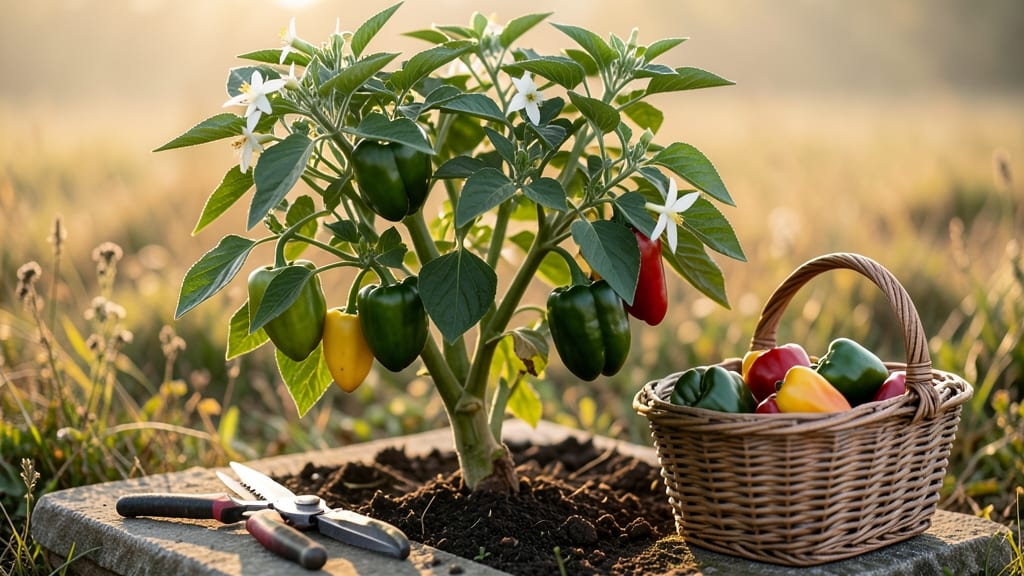
To know when to pick bell peppers, watch for deep color, firm skin, and a dry stem end—these are the surefire signs your 🌶️ harvest is ready.
Harvesting too early means sacrificing flavor and texture, while waiting too long can lead to overripe peppers that turn mealy or even fall off the plant. The difference between a perfect pepper and one that’s past its prime often comes down to subtle visual cues most gardeners miss.
In USDA Zone 6a, bell peppers typically ripen between July and October, but timing varies by variety. Green peppers can be picked early, while red, yellow, or orange types develop richer flavors when fully mature.
Below, I’ll walk you through five key visual cues to identify ripe bell peppers, plus common mistakes that can ruin your harvest before it even starts.

5 Visual cues to identify perfectly ripe bell peppers
Bell peppers are one of those garden gems that reward patience with incredible flavor and texture—but only if you harvest them at the perfect moment. Unlike some veggies, these vibrant fruits don’t ripen further after picking, so timing is everything.
Miss the window, and you’ll end up with bland, rubbery peppers or even lost yield. The good news? Mother Nature gives you clear visual cues to know when to reach for those pruners. Let’s break down the five key signs that scream, “Pick me now!”
First, let’s address the elephant in the garden: color isn’t the only factor. While a deep red or golden hue is a classic indicator, size, firmness, and even the stem’s condition play equally important roles.
For example, a green bell pepper might be ready to pick before it turns red, while a yellow or orange variety could reach peak ripeness at a different stage. Understanding these nuances ensures you don’t leave sweet, flavorful peppers hanging—or worse, let them rot on the vine.
-
1.
Deep, Vibrant Color
Green peppers: Bright, glossy green (not pale or dull). Colored varieties: Uniform, deep hue (no streaks). -
2.
Full Size for the Variety
Standard peppers: 3–4 inches long. Mini varieties: 2–3 inches. Measure against plant tags for accuracy. -
3.
Firm but Slightly Yielding Skin
Press gently: Resists thumb pressure but has a slight give (like a ripe avocado). Overripe = soft or wrinkled. -
4.
Dry, Brown Stem End
Check the calyx (stem base): Dried and slightly browned = ready. Green or moist = not yet ripe. -
5.
Glossy, Waxy Surface
Peppers should have a slight sheen (like a fresh apple). Dull or matte skin = underripe or overripe.
Let’s start with the most obvious clue: color. While green bell peppers are often harvested before they ripen, their ideal color is a bright, glossy green—not pale or dull.
For varieties that mature to red, yellow, or orange, the color should be deep and uniform, without streaks or patches. For example, a red bell pepper should be a rich, consistent crimson, not a mix of green and red.
Pro tip: Hold the pepper up to a white background to spot inconsistencies you might miss otherwise.
Next, pay attention to size. Bell peppers reach maturity at different rates depending on the variety. Standard bell peppers typically measure 3–4 inches long when ready, while smaller varieties like mini bell peppers or shishito peppers might be ready at 2–3 inches.
Always check the plant tag for specific guidelines, as some heirloom varieties can be larger. If your pepper is still growing rapidly, it’s not ready yet—give it a few more days.
Now, let’s talk firmness, which is where many gardeners go wrong. A perfectly ripe bell pepper should feel firm but slightly yielding when you press it gently with your thumb. Think of it like testing a ripe avocado—it should resist pressure but still have a little give.
If the skin feels soft or wrinkled, the pepper is overripe. Conversely, if it’s rock-hard, it’s underripe. This test is especially critical for green bell peppers, which are often harvested before they fully ripen.
One often-overlooked clue is the stem end, also called the calyx. When a bell pepper is ready to pick, the stem end should be dry and slightly browned. If it’s still green or moist, the pepper isn’t fully mature yet.
This is a great trick for red or yellow peppers, as the color change can sometimes be subtle. To test, gently tug on the pepper—if the stem snaps easily at the base, it’s ready. If it resists, wait a few more days.
Finally, check for a glossy, waxy surface. A ripe bell pepper should have a slight sheen, almost like the skin of a fresh apple. If the surface looks dull or matte, the pepper is either underripe or overripe.
This shine is a sign of proper hydration and maturity. Pair this with the other cues, and you’ll never second-guess whether a pepper is ready to harvest again.
Here’s a bonus tip: Harvest in the morning when peppers are cool and crisp. This ensures you’re picking them at their peak flavor and texture. Plus, morning harvests give you a head start on enjoying (or preserving) your homegrown bounty.
And remember, the sooner you pick a ripe pepper, the sooner the plant will produce another—so don’t wait too long!
🌶️
Common mistakes that make you pick bell peppers too early (or too late)
Even experienced gardeners sometimes harvest bell peppers at the wrong stage, leading to bland flavors or wasted effort. Premature picking means underdeveloped peppers with thin walls, while overripe harvesting risks disease and shriveled produce. Both mistakes can reduce your plant's yield and flavor potential.
One of the biggest red flags is inconsistent color. If your pepper isn't uniformly colored—say, half green and half red—it's not ready. Another warning sign is soft or wrinkled skin, which indicates the pepper has been on the vine too long and is losing moisture.
⚠️ callout warning ⚠️
⚠️ Don't Miss These Warning Signs!
🚫 Too Early: Green stem ends, pale color, and soft skin mean your pepper isn't fully developed. Harvesting now sacrifices flavor and thickness.
⏳ Too Late: Wrinkled skin, shriveled appearance, or a stem that won't snap easily signals overripeness. These peppers lose sweetness and texture.
🌱 Ideal Time: Firm skin, deep color, and a stem that snaps cleanly when bent. This is your cue to harvest for peak flavor and quality!
Another common mistake is harvesting based on size alone. While bell peppers should reach their variety's full size—typically 3-4 inches long—size doesn't guarantee ripeness. Always check for firmness and color consistency alongside size to avoid disappointment.
Overripe peppers also pose a disease risk to your plant. When peppers stay on the vine too long, they become susceptible to fungal infections like powdery mildew or rot. Removing overripe peppers promptly protects your entire harvest and keeps your plant healthy for future production.
To maximize your yield, I recommend harvesting every 2-3 days during peak season. This encourages the plant to produce more peppers by removing the current crop. Use clean, sharp pruning shears to avoid damaging the plant, and always cut the stem just above the fruit.
Finally, pay attention to the stem's condition. A dry, slightly browned stem end means the pepper is ready to pick. If the stem is still green and moist, the pepper needs more time on the vine. This small detail can make a big difference in flavor and texture!