
Companion Plants
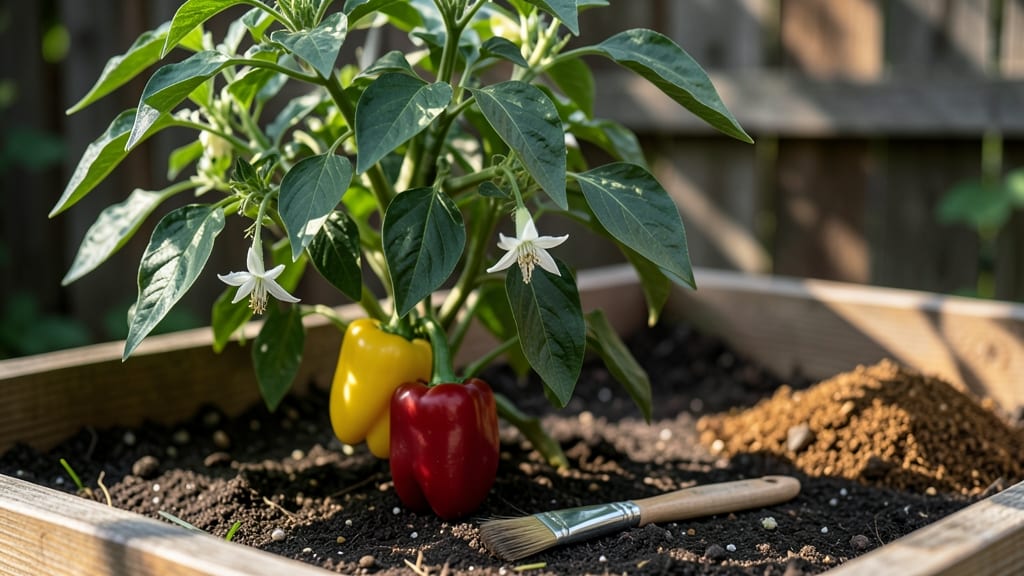
Pollinating pepper plants by hand guarantees fruit set even when bees stay away. 🌱 I've learned that some varieties—like my stubborn jalapeños—need a little help setting fruit, especially in humid climates or when growing indoors. The right technique transforms floppy flowers into heavy, productive peppers within weeks.
You only need a soft brush or cotton swab and patience. Start in the morning when flowers are fresh, focusing on open blooms with exposed stamens. Most gardeners skip this step, but I've seen hand-pollinated plants produce 30-50% more fruit than neglected ones.
Even bell peppers benefit from this extra attention when conditions aren't ideal.
The payoff comes in 6-8 weeks with plump, well-formed peppers instead of deformed or shriveling fruit. My chili plants now set fruit reliably even in my shady balcony corner. The key is consistency—check flowers daily during peak blooming and repeat until all flowers have been pollinated.
This method works for all pepper varieties, from tiny thins to large bells, and adapts easily to containers or greenhouses. Once you try it, you'll never go back to hoping for bees to do the job.
📚 In This Guide
- What you need
- Instructions
- Tips and common mistakes
- Wrapping up and next steps
What you need
- ● Pepper plants – Healthy, flowering plants (indoor or outdoor). Aim for at least 3-5 mature plants if cross-pollination is a goal.
- ● Small paintbrush or cotton swab – A soft-bristled brush (like a makeup brush) or sterile cotton swabs work best for transferring pollen.
- ○ Magnifying glass (optional but helpful) – Helps spot pollen grains and flower details, especially for tiny pepper blooms.
- ● Spray bottle with water – For lightly misting flowers to encourage pollen release (use room-temperature water to avoid shocking plants).
- ● Notebook & pen – To track pollination dates and observe fruit development.
- ● Sunlight – Peppers thrive in 6-8 hours of direct sunlight daily. Pollination is easiest on bright, sunny days.
- ● Warmth – Ideal temperatures: 70–85°F (21–29°C). Cooler temps can slow pollen activity.
- ○ Wind or pollinators (optional) – If relying on bees/wind, ensure your garden is bee-friendly (plant companion flowers like basil or marigolds nearby).
- ● Timing matters! Pollinate in the morning when flowers are fresh and pollen is most active. 🌅
- ● Avoid overwatering—wet pollen can clump and reduce effectiveness. Let soil dry slightly between waterings.
- ○ Wear gloves (optional) if you’re sensitive to pollen or working with multiple pepper varieties to avoid cross-contamination.
Step-by-step guide to hand-pollinating pepper plants
Here's the simple method I use to boost fruit set and avoid blighted flowers.
🌱 Step 1: Identify Ready-to-Pollinate Flowers
Check your pepper plants daily for flowers that have fully opened but haven't yet set fruit. Look for blooms where the petals are completely unfurled and the center shows a dusty yellow pollen cloud—this is your cue that pollination can happen. I like to work in the morning when humidity is low and flowers are freshest.
Gently shake the plant first—sometimes the natural movement from wind or bees already did the job. If you see no signs of pollen on the stigma (the green tip inside the flower), it's time to help. Avoid flowers that look wilted or have already started forming fruit, as they won't respond to additional pollination.
💧 Step 2: Collect and Transfer Pollen
Use a small paintbrush or cotton swab to collect pollen from one flower. Gently press it against the center of a mature, open flower where you want fruit to form. Apply light pressure—you're not painting, just transferring a dusting of pollen. I find a soft-bristle makeup brush works best because it picks up pollen without damaging delicate flower parts.
Move systematically from plant to plant, focusing on flowers that are at the same stage of opening. Don't reuse the same brush on multiple plants unless they're the same variety—cross-pollination can create unexpected fruit characteristics. If you notice pollen clumping together, tap the brush gently against your palm to redistribute it.
☀️ Step 3: Create Ideal Pollination Conditions
After hand-pollinating, give your plants a boost by lightly misting the flowers and surrounding leaves with water. This mimics natural morning dew and helps pollen grains adhere to the stigma. I use a spray bottle filled with room-temperature water to avoid shocking the plants. Avoid soaking the flowers—just enough moisture to create a fine mist.
Place your pepper plants in a spot with indirect sunlight for the next 24 hours. Too much direct sun after pollination can cause flowers to wilt before fruit sets. You'll know it worked within 7-10 days when you see small green peppers forming where you pollinated. Keep an eye out for any flowers that didn't set fruit—those might need another round of pollination.
⏰ Step 4: Repeat and Monitor Fruit Development
Pollinate every 2-3 days during peak flowering season, which typically lasts 4-6 weeks for most pepper varieties. I mark my calendar because consistency is key—missing a day means missed opportunities for fruit set. Focus on both male and female flowers (female flowers have tiny peppers at their base) to ensure balanced pollination across your plants.
Watch for signs of successful pollination like swelling at the base of flowers or tiny bumps forming. If you notice some flowers dropping off without setting fruit, they might have been pollinated too late in their bloom cycle. Keep your plants well-watered but not soggy, as stress from overwatering can cause flowers to abort before fruit forms.
Tips & tricks for perfect pepper pollination
Here's what I learned after years of helping my pepper plants set fruit—these simple tricks make all the difference.
Timing Secret: The 24-hour indirect sunlight period after pollination is your secret weapon. I've found that moving plants to a shaded patio or under a sheer curtain during this time dramatically improves fruit set. Too much direct sun can cause flowers to wilt before they have a chance to develop. Think of it as giving your flowers a spa day after all that hard work!
Tool Selection: Don't underestimate the quality of your brush—cheap makeup brushes can shed fibers that irritate flowers. I keep a dedicated small paintbrush (like the ones used for model painting) just for pollination. Clean it with rubbing alcohol between uses to prevent bacterial transfer. This small investment pays off in healthier plants and better fruit development.
Environmental Boost: The light misting after pollination isn't just about moisture—it's about creating the perfect environment for pollen adhesion. I've noticed that misting right after pollination and then again in the evening (when humidity naturally rises) gives me the best results. This mimics nature's morning dew and evening mist perfectly. Just remember: less is more—you're not trying to create a swamp!
Monitoring Strategy: When checking for fruit set after 7-10 days, I look for two key signs: first, the base of the flower will swell slightly, and second, you'll see tiny bumps where the fruit is starting to form. I keep a small notebook by my plants to track which flowers I pollinated and when, so I can spot any that didn't respond. This helps me adjust my pollination schedule for next time.
Pro Tips for Pollinate Pepper Plants
- Here's what I learned after years of helping my pepper plants set fruit—these simple tricks make all the difference.
- Timing Secret: The 24-hour indirect sunlight period after pollination is your secret weapon.
- Tool Selection: Don't underestimate the quality of your brush—cheap makeup brushes can shed fibers that irritate flowers.
Frequently asked questions
Got questions about pepper pollination? You’re not alone—growing peppers can be tricky, but we’ve got answers! Here are some of the most common questions (and solutions) to help you master the art of hand-pollination and grow those juicy peppers you crave.
Can I pollinate pepper plants by shaking them?
Yes! Shaking pepper plants gently (especially in the morning) mimics wind pollination. Hold the plant’s stem near the base and give it a light shake—no need to go crazy. This works best for self-pollinating varieties like bell peppers, jalapeños, and habaneros. Just avoid overdoing it, or you might stress the plant!
When is the best time to pollinate pepper plants?
The ideal time is early morning when humidity is high, and flowers are fresh. Pollinate just as the flowers open (usually 6–8 AM). Avoid pollinating after noon, as heat can damage delicate pollen. If you miss the morning window, evening works too—but prioritize consistency over timing!
What if my pepper flowers aren’t producing fruit?
Several factors could be at play: heat stress (above 90°F), poor pollination, or lack of nutrients. Try hand-pollinating with a small brush, move plants to partial shade if it’s too hot, or fertilize with a balanced formula (like 10-10-10). If flowers drop without setting fruit, it’s often a sign of environmental stress.
Do I need bees to pollinate pepper plants?
Not necessarily! While bees help, many pepper varieties (especially self-pollinating ones) thrive with hand-pollination. However, if you have a bee-friendly garden, they’ll boost your chances. Just ensure your plants are healthy—bees avoid stressed or diseased foliage. For indoor growers, a small paintbrush is your best friend!
Will pollinating peppers affect their heat level?
No—pollination doesn’t change a pepper’s natural heat (spiciness). That’s determined by genetics (e.g., ghost peppers vs. bell peppers). However, cross-pollination between different varieties can create hybrid seeds with unpredictable traits. If you’re saving seeds, keep hot and mild peppers separated by at least 200 feet or use row covers.
Wrapping up and next steps
Pollinating your pepper plants is a simple yet powerful way to boost your harvest—whether you’re growing sweet bell peppers, fiery jalapeños, or everything in between! 🌱 With just a little patience and the right techniques, you can transform those tiny flowers into plump, juicy peppers. Now that you’ve mastered hand-pollination and companion-plant tricks, it’s time to roll up your sleeves and get growing!
Ready to take your garden to the next level? Start by keeping a pollination journal—track which methods work best for your plants, and soon you’ll be sharing your pepper bounty with neighbors (or the freezer!). Happy gardening! 🌶️✨