
Companion Plants
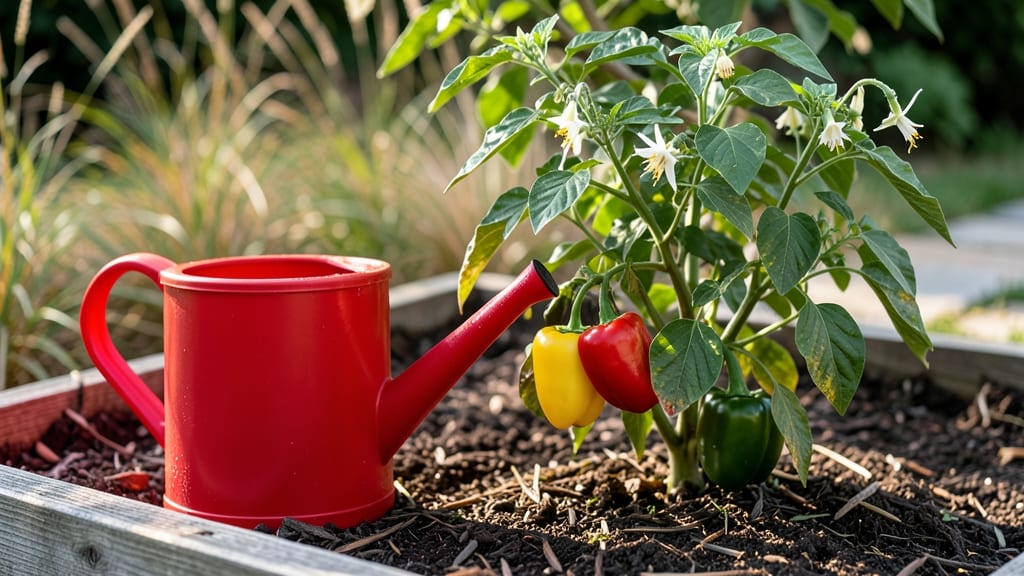
Learn how to revive wilting pepper plants before they turn from sad to sorry—here’s your lifeline. 🌱 The good news? Most drooping peppers bounce back with quick fixes that target the real problem, whether it’s thirst, pests, or heat stress.
I’ve nursed back more than a dozen plants this way, and you can too. Start by checking the soil—if it’s bone-dry, water deeply until it drains from the bottom. If it’s soggy, hold off and loosen compacted roots to help them breathe. Yellowing leaves? That’s often overwatering or nutrient burn.
Trim the worst spots and feed with diluted fish emulsion to revive growth. Within 24-48 hours, you’ll see leaves perk up if the issue is water-related. For pests like aphids or spider mites, blast them off with water first, then treat with neem oil.
The key is acting fast—wilting peppers can recover fully if you catch it early. Prevention is easier than cleanup: mulch to retain moisture, space plants for airflow, and avoid wetting leaves when watering. Your peppers will be back to thriving in no time!
Root Causes Behind Wilting Peppers
Understanding why your pepper plants are wilting is the first step to bringing them back to life. 🌱💧 These plants are resilient, but even the hardiest varieties can suffer when their basic needs aren’t met.
Below, we break down the most common—and often overlooked—reasons your peppers might be drooping, along with the science behind each one.
Pepper plants (Capsicum annuum and relatives) thrive in well-drained soil, but too much water can suffocate their roots, cutting off oxygen and leading to root rot (Phytophthora or Pythium fungi).
When soil stays soggy for more than 24–48 hours, roots can’t absorb nutrients or water efficiently, causing wilting—even if the soil feels moist.
Key signs:
- Yellowing leaves (chlorosis) before wilting
- Mushy, blackened roots when checked
- Soil that smells sour or like rotting vegetation
Why it happens: Roots rely on aeration (air pockets in soil) to function. Waterlogged conditions force roots to switch to anaerobic respiration, a process that produces ethanol (yes, like alcohol!) and weakens cell membranes. Over time, this leads to cell death and wilting.
Pepper plants are drought-tolerant but not drought-proof. When soil dries out too much, their xylem vessels (the plant’s "straws" for water transport) collapse from cavitation—tiny air bubbles that block water flow. This causes leaves to wilt quickly, even if you water them later.
Key signs:
- Crispy, dry edges on leaves
- Soil pulling away from pot sides (if container-grown)
- Wilting that worsens in afternoon heat (4:00–6:00 PM)
Why it happens: Plants lose water through transpiration (evaporation from leaves). In hot weather, demand outpaces supply, and peppers close stomata (pores) to conserve water—leading to wilting. If the root zone isn’t replenished, the plant can’t recover, and permanent damage occurs within 24–48 hours of severe drought.
Wilting can stem from mineral imbalances, particularly a lack of potassium (K) or calcium (Ca). Potassium regulates stomatal function (water balance), while calcium strengthens cell walls. Without enough of either, leaves wilt even if soil moisture is adequate.
Key signs:
- Potassium deficiency: Yellowing leaf edges (margins) with interveinal chlorosis (green veins, yellow between them).
- Calcium deficiency: New leaves cup upward, and growing tips die back (a condition called "blossom end rot" in fruits).
- Magnesium deficiency: Yellow patches between veins (older leaves first).
Why it happens:
- Potassium helps plants osmoregulate—maintaining water pressure inside cells. Low K = cells can’t hold water, leading to wilting.
- Calcium is crucial for middle lamella (the "glue" between cells). Without it, cells separate, and tissues collapse.
- Soil pH imbalances (too acidic or alkaline) lock out nutrients, even if they’re present in the soil.
Hidden attackers like aphids, spider mites, or fungal pathogens (Fusarium wilt, Verticillium wilt) can disrupt a pepper plant’s vascular system, blocking water transport. Wilting may start in one branch before spreading, often accompanied by stunted growth or spotted leaves.
Key signs:
- Pests: Sticky residue (honeydew), webbing, or tiny bugs on undersides of leaves.
- Fungal wilt: Vascular discoloration (brown streaks in stems when cut open), wilting that doesn’t improve with watering.
- Bacterial wilt: Oozing from stem cuts, rapid collapse.
Why it happens:
- Pests suck sap, reducing the plant’s ability to photosynthesize and transport water.
- Fungi/bacteria clog xylem vessels with gums or spores, acting like a plug in a straw. Some, like Verticillium, produce toxins that disrupt cell function.
Pepper plants in too-small pots develop root-bound conditions, where roots circle the container and strangle themselves. This restricts water and nutrient uptake, causing wilting even with proper care.
Key signs:
- Roots circling the pot’s bottom or growing out of drainage holes.
- Stunted growth despite regular fertilizing.
- Wilting that happens quickly after watering (roots can’t absorb enough).
Why it happens: Root-bound plants compete for resources—older roots compete with new growth for water and oxygen. The mycorrhizal fungi (beneficial soil partners) that help absorb nutrients can’t function properly in compacted soil.
Peppers are tropical plants that wilt when exposed to extreme heat or cold. While they tolerate a range of temperatures (60–90°F), sudden drops below 50°F or heatwaves above 95°F can shock them.
Key signs:
- Cold stress: Wilting early in the day, followed by blackened or mushy leaves.
- Heat stress: Leaf scorch (brown, papery edges), wilting that worsens by midday.
- Sunburn: White or bleached patches on leaves facing direct sun.
Why it happens:
- Cold stress causes cell membrane damage, disrupting water uptake.
- Heat stress increases transpiration rates beyond what roots can supply, leading to hydraulic failure (plants can’t pull water upward).
- Sunburn damages chloroplasts, reducing the plant’s ability to produce energy for recovery.
Newly transplanted peppers (or those disturbed by weeding, pruning, or wind) can wilt due to root trauma. Even a minor disturbance can sever fine root hairs, which are critical for water absorption.
Key signs:
- Wilting within 24–48 hours of transplanting.
- Stunted root growth when inspected.
- Yellowing leaves (from stress hormones like ethylene).
Why it happens: Root hairs have a short lifespan (3–4 days) and are highly sensitive to damage. When disrupted, the plant must regrow them, a process that takes 5–7 days—during which wilting occurs.
Pro Tip: 💡 Check the soil first! Stick your finger 1–2 inches deep—if it’s dry, water; if it’s soggy, hold off. Wilting from overwatering won’t improve until roots get air, while underwatering needs immediate hydration.
Quick Fixes for Reviving Your Plants
Wilting pepper plants can feel like a gardener’s worst nightmare—but don’t panic! 🌱 With the right approach, you can often nurse them back to health. Below, we’ve mapped out practical solutions for the most common causes of wilting, along with preventive tips to keep your peppers thriving.
Let’s get your plants back on track!
Signs: Dry, crispy leaves (underwatering) or yellowing, mushy stems (overwatering).
How to Revive: 🔥 For Underwatering:
Step 1: Water deeply until moisture seeps out of the drainage holes.
Peppers need 1–1.5 inches of water per week (adjust for heat/dry spells). - Step 2: Mulch around the base with straw or shredded leaves to retain moisture and regulate soil temperature. - Step 3: Check soil moisture with your finger—top 1–2 inches should be dry before watering again.
🍳 For Overwatering: - Step 1: Stop watering immediately and let the soil dry out. Use a fan to improve airflow if humidity is high. - Step 2: Repot the plant in fresh, well-draining soil if roots are soggy or rotting.
Mix in perlite or sand for better drainage. - Step 3: Ensure pots have drainage holes and avoid saucers that trap excess water.
💡 Prevention Tip: Use a moisture meter or the "knuckle test"—press your finger into the soil. If it feels damp, wait before watering.
Signs: Scorched leaves, drooping in extreme heat, or wilting after direct midday sun.
How to Revive:
👨🍳 Step 1: Move plants to partial shade (30–50% sunlight) for a few days, especially if temps exceed 90°F (32°C). 🥘 Step 2: Provide afternoon shade with a light cloth or shade cloth to protect leaves. 🔪 Step 3: Trim severely damaged leaves to reduce water loss and encourage new growth.
🌡️ Prevention Tip: Plant peppers in morning sun + afternoon shade or use reflective mulch (like white plastic) to deflect heat.
Signs: Roots circling the pot, slow growth, or wilting despite adequate water.
How to Revive
⏰ Step 1: Gently remove the plant from its pot and check for root-bound roots (roots growing in circles).
If so, trim the outer roots and repot in a larger container with fresh potting mix. 🥗 Step 2: Amend the soil with compost or worm castings for better nutrient retention.
Peppers thrive in loamy, well-draining soil with a pH of 6.0–6.8. 📊 Step 3: Add a slow-release fertilizer (like 10-10-10) to replenish nutrients.
💡 Prevention Tip: Repot every 1–2 years or when roots fill the container. Avoid compacted or clay-heavy soils.
Signs: Chewed leaves, sticky residue (aphids), or fungal spots (like powdery mildew).
How to Revive:
🔥 Step 1: Inspect leaves for pests. Blast off aphids/spider mites with a strong spray of water or use neem oil (1 tsp per quart of water). 🍎 Step 2: For fungal issues, remove infected leaves and spray with baking soda solution (1 tsp baking soda + 1 quart water + a drop of dish soap). 🎯 Step 3: Improve airflow by pruning crowded foliage and avoid overhead watering.
✨ Prevention Tip: Rotate crops yearly and use companion plants like marigolds or basil to deter pests naturally.
With these fixes, your pepper plants should perk up within 3–7 days! Monitor them closely and adjust care as needed. 🌿 Happy gardening!
Frequently asked questions
How quickly should I expect to see improvement after reviving my wilting pepper plants?
Most pepper plants show signs of recovery within 24-48 hours if the issue is water-related (underwatering or overwatering). For nutrient deficiencies or pest damage, improvement may take 3-7 days. Monitor leaves closely—if they remain limp after 48 hours, check for root rot or fungal infections, which require more urgent action.
Can I use coffee grounds to revive my wilting pepper plants?
Coffee grounds can help in small amounts as they're slightly acidic (peppers prefer 6.0-6.8 pH), but they shouldn't be your first solution. Use them sparingly as a soil amendment (1/4 cup per plant) mixed into compost. For immediate revival, focus on water adjustments and shade first—coffee grounds work better as a long-term soil conditioner rather than a quick fix.
What's the best time of day to water wilting pepper plants?
Water in the early morning (6-8 AM) to allow foliage to dry before evening. This prevents fungal growth and gives roots time to absorb moisture. Avoid watering at noon or evening—midday heat causes rapid evaporation, while evening watering keeps leaves damp overnight, inviting pests and diseases. For severely wilted plants, water deeply at the first sign of drooping, then maintain a consistent schedule.
Are there any household items I can use to treat wilting from pests?
Yes! For spider mites and aphids, mix 1 tablespoon dish soap + 1 quart water in a spray bottle and apply directly to affected areas. For fungal issues, use a baking soda spray (1 tsp baking soda + 1 quart water + a drop of dish soap). Always test on a small leaf first. These solutions work best when combined with proper airflow and removing severely infested foliage.
My pepper plants wilt every afternoon but perk up at night—what's causing this?
This classic pattern usually indicates heat stress or underwatering during peak sun hours. Pepper plants close their stomata (pores) to conserve water when temperatures exceed 90°F (32°C), causing afternoon wilting. Provide afternoon shade (30-50%) and water deeply in the morning. If the soil stays dry, consider mulching heavily to retain moisture and reduce temperature fluctuations.