
Advice
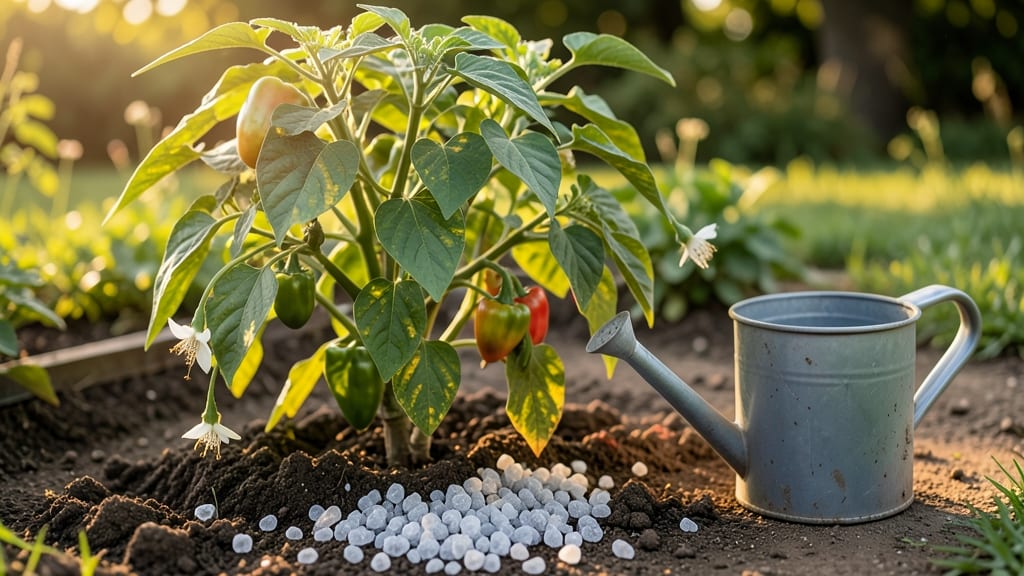
That pepper magnesium deficiency turning your plants’ leaves yellow between green veins? Here’s the fast fix that revives them in just two weeks—no guesswork. 🌱 approach, and I'm sharing exactly what worked for me (and what didn't).
The problem starts when soil pH locks out magnesium or when other nutrients like potassium hog all the attention. Most gardeners miss the early signs—those subtle yellow patches between veins—because they assume it's just old age or poor light.
But magnesium deficiency is fixable, even if your plants look like they're checking out. You'll need three simple supplies: Epsom salt, a spray bottle, and either a soil test or your own detective work.
The solution is a foliar spray that gets magnesium directly to the leaves where they need it most. Within days, you'll see new growth pushing out with proper green coloring. This works for all peppers—bell, jalapeño, habanero—no matter if you're growing in soil, raised beds, or containers.
Let's get those leaves turning green again.
Root Causes Of Magnesium Loss
Magnesium deficiency in peppers—often signaled by yellowing leaves—is rarely caused by a single factor. Instead, it’s usually a mix of environmental stress, poor soil health, and cultural mismanagement.
Understanding these triggers helps you take precise action to restore your plants. Let’s break down the key culprits behind magnesium depletion in peppers:
Magnesium is a mobile nutrient in plants, meaning peppers will pull it from older leaves first when supplies run low. But if your soil is chronically depleted, even young leaves won’t get enough. Here’s why it happens:
- Heavy harvesting: Frequent picking of peppers (especially fruiting types like bell peppers) depletes magnesium as the plant redirects energy to new growth. 💡 Pro tip: Rotate crops—peppers are heavy feeders and exhaust magnesium faster than leafy greens.
- Acidic soil (pH < 6.0): Magnesium becomes less available in highly acidic conditions because it binds tightly to soil particles. Peppers prefer a slightly acidic to neutral pH (6.0–7.0). 🔥 Fix: Test your soil and amend with dolomitic lime (which adds both calcium and magnesium) if needed.
- Leaching from overwatering: Magnesium is water-soluble and washes out quickly in sandy or poorly structured soils. Clay soils hold it better, but even they can’t retain it forever. ⏰ Action: Use mulch to slow water evaporation and reduce runoff.
Peppers don’t just lose magnesium—they often can’t access it because other nutrients are hogging the spotlight. Common offenders:
| Competing Nutrient | Why It Causes Deficiency | How to Fix It |
|---|---|---|
| 📊 Excess Calcium | Calcium and magnesium compete for uptake. Too much calcium (from lime or gypsum) can block magnesium absorption, even if the soil has plenty. | Use a balanced fertilizer (like 10-10-10) and avoid over-liming. Test soil calcium levels before amending. |
| 💪 High Potassium (K) | Potassium is a magnesium antagonist—it can displace magnesium in plant tissues, leading to deficiency symptoms even when soil levels are adequate. | Reduce synthetic potassium sources (like Miracle-Gro) and opt for organic matter (compost, worm castings) to improve nutrient balance. |
| 🌱 Nitrogen Glut | Too much nitrogen (common in fast-growing peppers) dilutes magnesium by promoting excessive leafy growth without enough structural support. | Switch to a low-nitrogen, high-magnesium fertilizer (e.g., Epsom salt or magnesium sulfate) and prune to control growth. |
Heat, drought, and poor root health force peppers to metabolize magnesium inefficiently, making deficiency worse. Here’s how:
- 🌡️ Extreme Heat or Cold: Magnesium is temperature-sensitive. High temps (>90°F) increase transpiration, pulling magnesium out of leaves faster than roots can replace it. 🎯 Solution: Provide afternoon shade in hot climates and use mulch to regulate soil temps.
- 💦 Drought Stress: When roots can’t absorb water, magnesium (and other nutrients) gets trapped in the soil solution and unavailable. Even slight wilting can trigger deficiency. ✨ Fix: Water deeply 2–3 times per week (1–1.5 inches) and improve drainage with organic matter.
- 🌱 Root Damage or Compaction: Compacted soil or root-bound plants (in containers) restrict magnesium uptake. Poor root health also reduces the plant’s ability to mobilize stored magnesium. 🔥 Action: Loosen soil with a fork or repot peppers in well-draining mix (add perlite or coco coir).
Once you identify which of these factors are at play in your garden, you can target fixes—whether it’s adjusting pH, balancing fertilizers, or tweaking watering habits. Magnesium deficiency is reversible, but the key is acting on the root cause (pun intended!).
Quick Fixes for Reversing Yellow Leaves
Magnesium deficiency in peppers—often signaled by yellowing leaves, stunted growth, or even fruit drop—can feel like a setback, but the good news is that reversing it is easier than you think. The key lies in addressing the root cause with targeted solutions while keeping your plants healthy long-term.
Below, we’ll break down practical fixes based on the most common triggers, from soil issues to environmental factors, plus prevention tips to keep your peppers thriving.
If your peppers are struggling because of poor soil quality, magnesium, or nutrient imbalance, these steps will help restore balance.
🔥 Boost Magnesium with Organic Amendments
Magnesium is often "locked out" by high calcium or potassium levels. To correct this: - Apply Epsom salt (magnesium sulfate)—the fastest fix!
Dissolve 1 tablespoon per gallon of water and spray it on leaves (especially undersides) or water the soil at the base. Repeat every 2–3 weeks until you see improvement. - Use dolomitic lime (not regular lime!) to raise soil pH slightly (ideal range: 6.0–6.8).
Magnesium absorbs better in slightly alkaline conditions. Sprinkle ½ cup per plant and work it into the top 2–3 inches of soil. - Compost or worm castings—rich in organic magnesium and other micronutrients. Mix 1–2 inches into the soil around your plants.
✨ Pro Tip: Test your soil first! A simple DIY soil test kit (or send a sample to a local extension office) will tell you if magnesium—or other nutrients—are truly lacking before overcorrecting.
Poor watering habits can wash away magnesium or prevent roots from accessing it.
🍳 Water Deeply and Consistently
- Avoid shallow watering—peppers need 1–1.5 inches of water per week, delivered deeply (6–8 inches into the soil) to encourage strong root growth.
- Water in the morning to reduce evaporation and fungal risks.
Yellowing leaves from magnesium deficiency often worsen with inconsistent moisture. - Mulch heavily with straw or grass clippings to retain soil moisture and prevent magnesium leaching.
💡 Quick Fix: If your soil is sandy or drains too fast, add a slow-release fertilizer (like 10-10-10) to help retain magnesium longer.
Environmental stress can mimic or worsen magnesium deficiency. Tweak these factors for faster recovery.
🌿 Improve Airflow and Light
- Prune crowded plants to reduce humidity and fungal pressure (which competes with magnesium uptake).
- Ensure 6–8 hours of direct sunlight daily. Shady spots slow nutrient absorption.
If indoors, use grow lights 12–14 hours/day. - Avoid cold drafts—magnesium uptake drops in temperatures below 50°F (10°C). Use row covers or move pots indoors if needed.
⚠️ Watch Out For: Over-fertilizing with nitrogen (like blood meal) can mask magnesium deficiency by promoting leafy growth while starving roots of other nutrients.
Once your peppers bounce back, keep them strong with these habits:
- Rotate crops every 3 years to prevent magnesium depletion in the same soil. - Use magnesium-rich fertilizers like kelp meal or fish emulsion (both contain trace magnesium). - Monitor pH regularly—aim for 6.0–6.8.
Use a pH meter or liquid test kit for accuracy. - Harvest regularly—overripe peppers divert energy away from leaves, worsening deficiency symptoms.
If yellowing persists after 4–6 weeks of these fixes, consider:
- Foliar sprays with chelated magnesium (like MagnaGreen) for faster absorption.
- A professional soil analysis to rule out hidden issues like chlorosis (iron deficiency) or salt buildup.
With these targeted fixes, your peppers should green up within 2–4 weeks—and with proper care, they’ll stay vibrant all season! 🌿🔥
Frequently asked questions
Why do pepper leaves turn yellow between the veins first?
Magnesium is a mobile nutrient, meaning your pepper plants pull it from older leaves first when supplies run low. This creates the classic yellowing pattern between green veins—a clear sign roots can't access enough magnesium from the soil. Think of it like your body using up muscle stores during a fast: the oldest leaves (your "muscle") get depleted first.
Can I fix magnesium deficiency without soil amendments?
Yes! For quick results, use a foliar spray of Epsom salt (1 tablespoon per gallon of water) applied directly to leaves every 2-3 weeks. This bypasses soil issues by delivering magnesium through the leaves. Pair it with consistent watering to help roots absorb what's already in the soil.
Is magnesium deficiency the same as iron deficiency?
No—they look similar but have key differences. Iron deficiency causes yellowing starting with young leaves (new growth), while magnesium deficiency affects older leaves first. Iron issues also appear on upper leaves only, whereas magnesium spreads downward. Test your soil to confirm which nutrient is lacking.
How often should I apply Epsom salt for magnesium?
Start with a 1 tablespoon per gallon solution every 2 weeks for active deficiency. Once leaves regain color, reduce to monthly applications during the growing season. Overuse can cause salt buildup, so always water thoroughly after application.
Will dolomitic lime help if my soil is already too alkaline?
No—dolomitic lime raises pH (making soil more alkaline), so it's only helpful if your soil is too acidic (below 6.0). If your soil is already alkaline, focus on organic matter (compost) and Epsom salt instead. Test your pH first to avoid making the problem worse.