
Picking
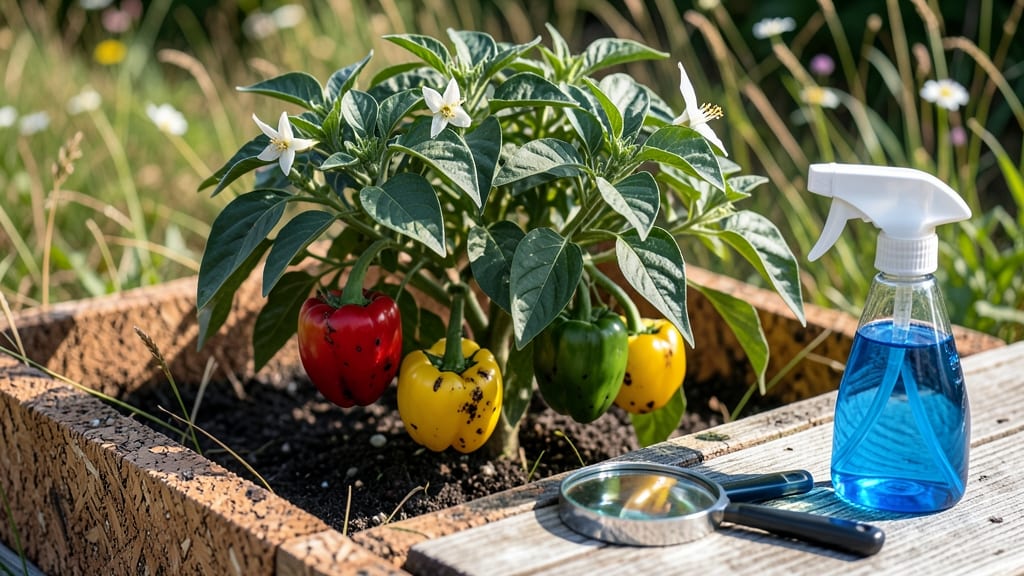
Bell peppers with mysterious spots are the gardener’s nightmare—until you know the real culprits. 🌶️ I’ve battled everything from bacterial spot to spider mites, and the key to saving your harvest lies in early action.
These blemishes aren’t just cosmetic; they signal deeper issues that can ruin your plants if ignored.
The most common offenders are fungal diseases like bacterial spot (tiny, water-soaked marks) and anthracnose (larger, sunken lesions), but pests like aphids and environmental stress can mimic them.
The good news? Pest-resistant varieties and simple organic fixes—like neem oil or copper sprays—can turn things around before your peppers turn to mush.
You’ll learn to spot the difference between fungal spots and insect damage, plus how to prevent future outbreaks with crop rotation and better airflow. Trust me, your next harvest will thank you—no more sad, spotted peppers!
Whether you’re dealing with a single plant or a full garden, these solutions work for both container growers and in-ground plots. Let’s get those peppers back to their vibrant, blemish-free selves!
Hidden Causes Behind Pepper Spots
Bell peppers are a garden favorite, but those mysterious spots can turn a vibrant harvest into a frustrating puzzle. 🌱🤔 Understanding the root causes—from microscopic invaders to environmental stress—helps you take precise action.
Below, we break down the science behind why your peppers develop spots, so you can address the issue at its source.
Fungal diseases are among the most common culprits behind pepper spots. These pathogens thrive in warm, humid conditions and can appear as powdery white or dark, sunken lesions. Here’s how they strike:
- Alternaria Leaf Spot: Caused by the fungus Alternaria solani, this disease creates concentric rings or target-like spots with dark centers. It spreads via wind, water, or contaminated tools, often appearing after prolonged leaf wetness (like heavy dew or overhead watering).
- Anthracnose: The fungus Colletotrichum spp. creates sunken, water-soaked spots that enlarge and turn dark. It’s especially aggressive in hot, humid weather and can infect peppers at any growth stage.
- Powdery Mildew: While it usually coats leaves in a white, powdery film, severe cases can cause small, raised brown spots on fruit. This fungus (Podosphaera xanthii) thrives in poor air circulation and high humidity.
💡 Pro Tip: Fungal spores love moisture—avoid watering peppers in the evening, and space plants 18–24 inches apart for airflow. If spots appear, remove infected peppers immediately and apply a copper fungicide or neem oil spray as a preventative.
Bacterial infections are aggressive and can ruin a crop in days. The most notorious offender is Xanthomonas campestris pv. vesicatoria, which causes bacterial spot disease. Here’s how it works:
- Water-Soaked Spots: Infected peppers develop tiny, watery lesions that turn brown or black with yellow halos. These spots often appear on lower leaves first before spreading upward.
- Rapid Spread: Bacteria hitchhike on wind, rain, or contaminated pruning tools. Once established, they multiply quickly in warm (75–95°F) and wet conditions.
- Systemic Damage: Unlike fungi, bacteria can enter through stomata (leaf pores) and travel through the plant’s vascular system, causing blossom end rot-like symptoms on fruit.
🔥 Critical Action: Remove and destroy infected plants (do not compost them!) to prevent spread. Use copper-based bactericides and avoid overhead watering. For organic control, baking soda spray (1 tbsp baking soda + 1 quart water + a drop of dish soap) can help suppress bacteria.
Not all spots are caused by pests—sometimes, your peppers are screaming for better growing conditions. Here’s how environmental factors trigger discoloration:
| Cause | Spot Appearance | Solution |
|---|---|---|
| Sun Scorch (too much direct sun) | Pale, dry, white or grayish patches on sun-exposed sides, often with a papery texture. | Provide afternoon shade cloth (30–50% shade) in extreme heat. Mulch to keep soil cool. |
| Hail or Physical Damage | Irregular, bruised spots that may darken over time. | Use row covers during hail-prone seasons. Prune damaged areas to prevent rot. |
| Calcium Deficiency (poor soil structure) | Blossom end rot-like spots (dark, sunken) on the bottom of peppers, often with leathery texture. | Amend soil with crushed eggshells or lime. Use a calcium nitrate supplement (follow package rates). |
| Extreme Temperature Fluctuations | Yellow or brown spots with a wrinkled or blistered surface. | Grow peppers in consistent 65–85°F ranges. Use black plastic mulch to moderate soil temps. |
🌡️ Quick Fix: If spots appear due to stress, monitor soil moisture (peppers hate soggy roots) and avoid fertilizing during heatwaves, which can burn foliage.
Insects may not always leave obvious holes, but their feeding can cause raised, irregular spots or stippled discoloration. Here’s what to watch for:
- Thrips: These tiny pests scratch pepper surfaces while feeding, leaving silver or white speckled spots. They thrive in hot, dry conditions.
- Aphids: Clusters of these sap-sucking bugs can cause sticky residue (honeydew) and yellow, curled spots on peppers.
- Spider Mites: In drought conditions, their feeding creates fine webbing and bronze-colored spots.
- Fruitworms: Larvae chew into peppers, creating ragged, irregular holes that can turn brown and rot.
🐜 Pest Control Tips:
- Spray peppers with a soapy water solution (1 tsp mild soap per quart of water) to dislodge pests.
- Introduce beneficial insects like ladybugs or lacewings to prey on aphids and mites.
- Use row covers early in the season to block flying pests.
Quick fixes for pepper problems
Spots on your bell peppers can be frustrating, but the good news is that most issues have simple, effective solutions. Whether it’s fungal infections, pest damage, or environmental stress, taking action early can save your harvest. Below, we’ve mapped out the most common causes and the best ways to tackle them—plus tips to keep your peppers looking (and tasting) perfect.
If your peppers are covered in watery brown or white powdery patches, fungi are likely the culprit. These spread quickly in humid conditions, so act fast!
🔥 Remove and Replace Infected Peppers
- Snip off any spotted peppers immediately to prevent spread.
- Avoid composting them—toss in the trash instead.
🍳 Spray with Copper or Baking Soda Mix
- For bacterial spots: Mix 1 tbsp baking soda, 1 tbsp vegetable oil, and a few drops of dish soap in a gallon of water.
Spray on peppers and soil (avoid direct sun). - For powdery mildew: Use a copper fungicide spray (follow label instructions) or a homemade mix of 1 tsp neem oil + 1 tsp mild soap per quart of water.
🌡️ Improve Airflow and Reduce Moisture
- Prune nearby plants to allow 3–4 inches of space between peppers for airflow.
- Water at the base (not overhead) in the morning so foliage dries quickly.
- Pro tip: 💡 Use mulch (straw or grass clippings) to keep soil moist but prevent splashing water onto leaves.
Tiny holes, chewed edges, or sticky residue? Pests are likely munching on your peppers. Here’s how to evict them for good.
👨🍳 Blast Off Pests with Water
- For aphids/spider mites: Spray peppers with a strong stream of water to knock them off. Repeat every few days.
- For flea beetles: Cover young plants with floating row covers (fine mesh fabric) until peppers mature.
🥘 Introduce Natural Predators
- Ladybugs and lacewings love aphids—buy them online or attract them with dill or fennel plants nearby.
- Neem oil spray (1 tsp neem oil + 1 tsp soap per quart of water) disrupts pest life cycles.
✨ Prevent Future Infestations
- Rotate crops yearly to avoid building up pest populations.
- Interplant with pest-repelling herbs like basil, marigolds, or thyme.
- Clean up debris—pests hide in old plant matter over winter.
Yellow or white spots that appear suddenly? Your peppers might be sunburned or struggling with temperature swings.
🔪 Provide Shade Cloth (If Needed)
- If your area gets intense afternoon sun, drape 30–50% shade cloth over peppers during peak heat (1–4 PM).
- Avoid plastic sheets—they trap heat and worsen the problem.
🌱 Adjust Watering Practices
- Water deeply but infrequently—peppers hate soggy soil but also dry spells. Aim for 1–1.5 inches per week.
- Mulch heavily (2–3 inches) to retain moisture and regulate soil temp.
🎯 Choose Heat-Tolerant Varieties
- If sun scorch is recurrent, switch to heat-resistant peppers like ‘Carolina Wonder’ or ‘Jupiter’ next season.
Stop spots before they start with these easy habits:
- ✅ Inspect peppers weekly—catch issues early!
- ✅ Rotate crops—don’t plant peppers in the same spot yearly.
- ✅ Use raised beds—improves drainage and reduces fungal risks.
- ✅ Harvest promptly—overripe peppers attract pests and rot faster.
- ✅ Store peppers properly—keep them in a cool, dry place (not the fridge) to extend shelf life.
With these fixes, your bell peppers should bounce back stronger—and you’ll be the envy of the garden with flawless, spot-free harvests! 🌿🔥
Frequently asked questions about bell pepper spots
Why do my bell peppers develop spots even with proper care?
Even with good care, spots can appear due to hidden factors like hidden fungal spores in soil or microscopic pests you can't see. Fungal diseases often lie dormant in old plant debris, while thrips or spider mites may be feeding on the undersides of leaves. Start by inspecting both sides of leaves and checking soil moisture levels.
Can I still eat bell peppers with small spots?
Yes, but only if the spots are minor and caused by environmental stress (like sun scorch) rather than disease or pests. Cut away the spotted areas and use the rest—just avoid peppers with large lesions, oozing sores, or foul smells. When in doubt, compost the affected fruit rather than risking contamination.
What's the fastest way to stop fungal spots from spreading?
Act immediately by removing all infected peppers and applying a copper fungicide spray (or baking soda mix) to healthy plants. Space plants 18-24 inches apart for airflow, and water at the base in the morning. Repeat treatments every 5-7 days until new growth appears spot-free.
Are there pepper varieties less prone to spots?
Look for disease-resistant varieties like 'Carolina Wonder' (resistant to bacterial spot) or 'Jupiter' (tolerates heat and humidity). These hybrids are bred to handle common fungal pressures better. Always check seed packets for resistance ratings when selecting new plants.
How do I know if my pepper spots are from pests vs. disease?
Pest damage usually shows as irregular holes, webbing, or sticky residue (honeydew), while disease spots are uniform in shape and color (like concentric rings). Check leaf undersides for tiny insects—if you see them, pests are likely. For disease, look for signs like powdery coatings or water-soaked lesions.