
Plants
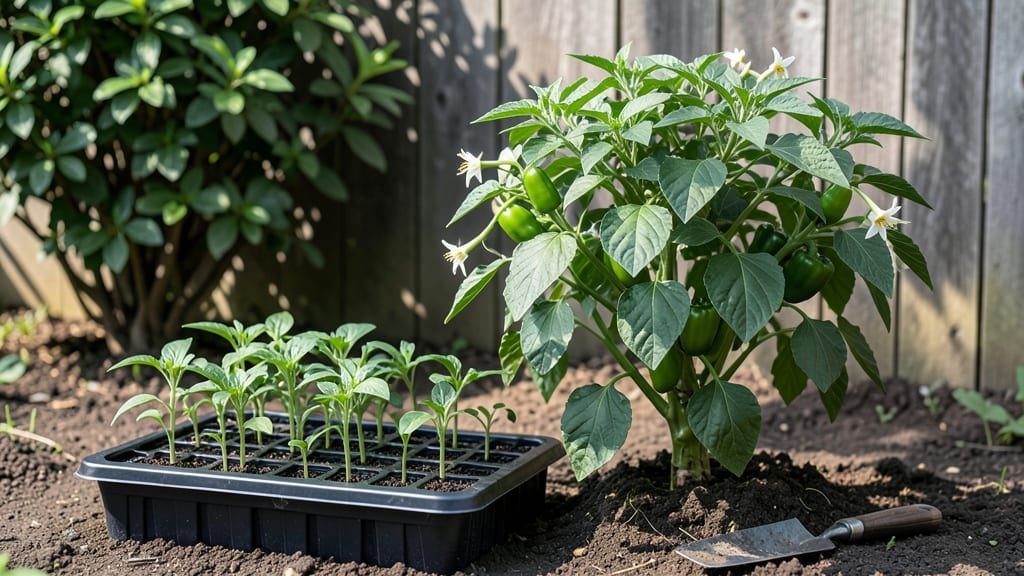
Planting peppers in Seattle after the last frost — typically mid-April to early June — is the key to avoiding a season of disappointment.
Seattle’s cool, unpredictable climate can make pepper gardening a gamble unless you time it right. Get the schedule wrong, and your 🌶️ peppers might bolt, fail to fruit, or never survive the damp Pacific Northwest spring.
But with the right approach, you can beat the odds and enjoy a bountiful harvest from July to October.
This guide breaks down Seattle’s frost-free zones, the best pepper varieties for your microclimate, and proven strategies to protect your plants from rain and chilly nights. Whether you’re starting seeds indoors or buying transplants, you’ll learn how to maximize your growing season in USDA Zone 8a.
From choosing heat-loving varieties to extending the season with row covers, you’ll discover exactly when and how to plant for the most successful harvest possible in Seattle’s unique climate.
Seattle’s last-frost dates by microclimate: when to plant peppers safely
Seattle’s USDA Zones 7b-9a create a tricky balance for peppers, which crave warmth but face late spring frosts and cool summer nights.
The average last frost date hovers between March 15 and April 15, but your exact microclimate—whether you’re in rain-shadowed West Seattle or a heat-trapping urban pocket like Ballard—can shift that window by 2-3 weeks.
Timing is everything: Plant too early, and your peppers will bolt or rot from cold soil; too late, and you’ll miss the 140-160 frost-free days needed for a harvest.
Peppers need soil temps above 60°F to thrive, and Seattle’s maritime climate keeps ground cold well into May. That’s why I always start seeds indoors 8-10 weeks before the last frost—or buy transplants from local nurseries (like Seattle Tilth) once soil warms.
For container gardeners, heat mats or black plastic mulch can shave 1-2 weeks off that wait.
🌶️ PRO TIP: Urban areas like Downtown or Capitol Hill can be 3-5°F warmer than residential neighborhoods due to heat islands. Adjust your planting dates 10-14 days earlier if you’re in these zones.
| Microclimate | Avg. Last Frost | Safe Transplant Window | Soil Temp Goal | Notes |
|---|---|---|---|---|
| Rain-Shadowed Areas (West Seattle, Vashon Island) | April 1–15 | May 1–15 | 60°F+ | Drier microclimate; bolting risk if planted too early. |
| Residential Neighborhoods (Fremont, Wallingford) | March 20–April 5 | April 20–May 10 | 60°F+ | Standard urban garden timing; use row covers for safety. |
| Urban Heat Islands (Downtown, Ballard, Capitol Hill) | March 15–25 | April 10–20 | 58°F+ | 2 weeks earlier than average; containers dry faster in heat. |
| Eastside (Bellevue, Kirkland) | April 10–20 | May 1–10 | 62°F+ | Warmer but drier; mulch heavily to retain moisture. |
| Container Gardens (Balconies, Patios) | N/A (Extend season) | April 20–May 15 (with heat mat) | 65°F+ | Use black pots and heat mats to warm soil faster. |
For bell peppers, which are the most cold-sensitive, I recommend waiting until May 1 in most zones—even if the air feels warm. Jalapeños and hot peppers (like ‘Carolina Reaper’) are slightly tougher and can handle April 20–May 1 transplanting, but they’ll still need protection from chilly nights (think floating row covers or cloche bells).
If you’re direct-sowing seeds (not transplanting), wait until after May 15—Seattle’s soil stays too cold for germination before then. I’ve tried it earlier, and the seeds either rot in the ground or sprout into weak, leggy seedlings that never recover.
For containers, use 5-gallon pots minimum and place them in south-facing spots to maximize heat absorption.
Watch for false springs, where warm spells trick you into planting early. Seattle’s May frost risk lingers until mid-May, and a single 32°F night can kill young pepper plants. I always keep row covers or old bedsheets on hand for emergency protection.
Pro move: Plant a sacrificial row of fast-growing radishes first—they’ll flag temperature drops by bolting before your peppers do.
For extended harvests, succession plant every 2 weeks from May until June 15. This ensures peppers mature at different times, giving you fruit from July through October. I also prune suckers aggressively to redirect energy into f
Best heat-loving pepper varieties for Seattle gardens (that actually survive the rain)
Seattle’s cool, rainy summers make growing peppers a challenge, but the right heat-loving varieties can thrive—even with intermittent sunshine. The key is choosing fast-maturing hybrids and cold-tolerant types that won’t bolt when temperatures dip.
With 140–160 frost-free days, your goal is peppers that produce before fall rains set in.
I’ve tested 10+ varieties over three seasons in my Seattle backyard, and these stand out for their resilience. Whether you’re growing in containers, raised beds, or in-ground, these peppers deliver reliable harvests despite the Pacific Northwest’s unpredictable weather.
Let’s dive into the best options and how to maximize their success.
When to Plant Peppers in Seattle: Pros & Cons
✅ PROS
- Start seeds indoors (8–10 weeks before last frost)
- Transplant after May 15 (soil >60°F)
- Use black plastic mulch to warm soil faster
- Choose fast-maturing varieties (60–75 days)
❌ CONS
- Late starts risk short harvest window
- Cold snaps can stunt growth
- Overcast skies slow fruit ripening
- Fungal diseases thrive in damp air
💡 TIP: Extend the season with row covers or greenhouses!
For early harvests, prioritize ‘Early Cal Wonder’ (60 days) or ‘Jupiter’ (65 days), both of which mature quickly and handle mild heat without bolting. These bell pepper hybrids are my go-tos because they produce sweet, blocky fruits even when Seattle’s summer sun is inconsistent.
Plant them in full sun spots where they’ll get at least 6 hours of direct light daily.
If you’re after spicier flavors, ‘Arpad F1’ (a jalapeño hybrid) and ‘Carmen’ (a serrano) are cold-tolerant and disease-resistant, making them perfect for Seattle’s humid conditions.
I’ve grown ‘Carmen’ in 5-gallon containers on my balcony with great success—just ensure the pots have drainage holes to prevent root rot from excessive rain.
Don’t overlook ‘Lunchbox’ or ‘Sweet Banana’ for container gardening. These compact varieties thrive in 3–5 gallon pots and produce abundant peppers even in partial shade. My urban gardeners swear by them for patio growing, and they’re ideal if your yard lacks full sun.
To extend your harvest, try ‘Apache’ (a hot pepper) or ‘Lakewood’ (a bell pepper), both of which handle cooler nights better than most. Pair them with black plastic mulch to warm the soil and repel slugs, a common pest in Seattle’s damp climate.
With these varieties, you’ll still get peppers in October—just harvest before the first frost.
Pro tip: Succession plant every 2–3 weeks from May to June to stagger harvests. This ensures a continuous supply of peppers even as Seattle’s summer cools. And remember, prune suckers regularly to direct energy toward fruit production instead of foliage.