
Picking
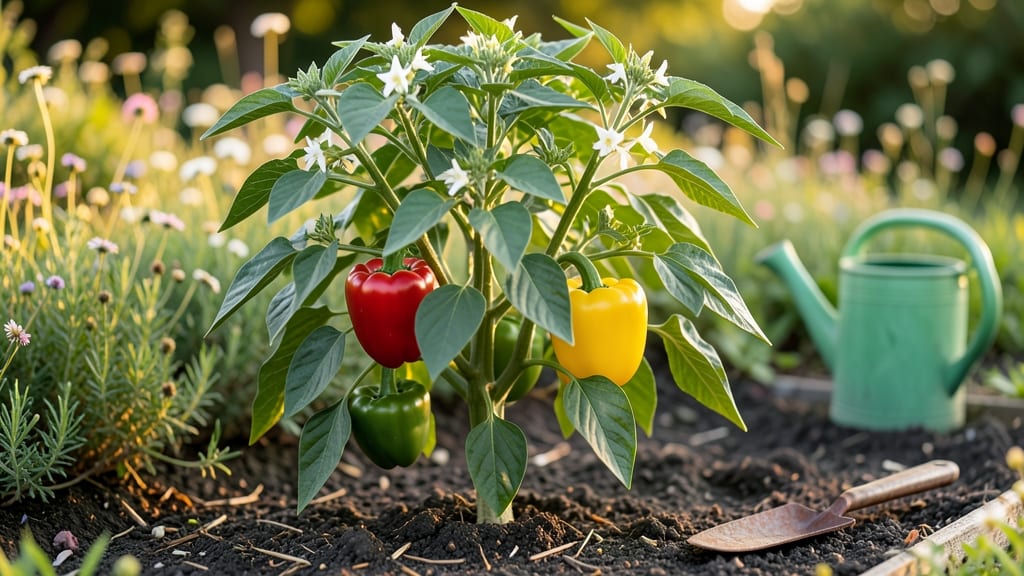
Capsaicin—the compound that gives peppers their heat—is particularly dangerous for dogs because their digestive systems are far more sensitive than ours. 🌶️ Even small amounts of hot peppers like jalapeños or cayenne can cause drooling, pawing at the mouth, and abdominal pain.
The risk escalates with stronger varieties, which can lead to severe gastrointestinal distress or even organ strain. That said, the occasional tiny bite of plain, cooked green bell pepper (no seeds or skin) might pass without issue for some dogs—but this is a gamble without professional oversight.
What makes this tricky is that dogs can't metabolize many of the same compounds humans handle easily. For example, black pepper's piperine can irritate their mucous membranes, while bell pepper's mild capsaicin might still cause issues if consumed raw or in large quantities.
Always introduce new foods gradually and watch for reactions—even seemingly safe options can vary by breed and size.
💡 In This Article
- Toxic Pepper Types and Their Risks for Dogs
- Safe Pepper Alternatives for Dog-Friendly Meals
Toxic pepper types and their risks for dogs
Capsaicin—the fiery compound in peppers—is the primary villain here. This chemical triggers pain receptors in dogs' mouths and digestive tracts with far greater intensity than in humans.
For example, a single jalapeño (which measures around 2,500-8,000 Scoville Heat Units) can cause immediate drooling, pawing at the mouth, and even vomiting in dogs.
The problem worsens with stronger varieties: cayenne peppers (30,000-50,000 SHU) or habaneros (100,000-350,000 SHU) can lead to severe abdominal pain, diarrhea, or even pancreatitis—a life-threatening condition in dogs.
Black pepper poses a different but equally dangerous threat. Its active compound, piperine, irritates a dog's mucous membranes, causing excessive salivation and potential throat swelling. Even a pinch of black pepper can trigger gastrointestinal upset, with symptoms appearing within 30 minutes to 2 hours after ingestion.
The risk isn't just about heat—it's about how dogs process these compounds. Their digestive systems lack the enzymes to break down capsaicin and piperine efficiently, leading to prolonged irritation and potential organ strain.
What most pet owners don't realize is how heat levels correlate directly with toxicity. A bell pepper (0 SHU) contains trace amounts of capsaicin, but its mild nature makes it the only pepper potentially safe in tiny, cooked portions.
However, even this comes with risks: raw bell peppers can cause mild stomach upset due to their fiber content and natural sugars.
The key is understanding that "mild" in human terms doesn't translate to canine safety—dogs metabolize foods differently, and their smaller size means even small amounts can have outsized effects.
Pancreatitis is a particularly dangerous outcome when dogs consume spicy foods. The pancreas produces enzymes to digest fats, but capsaicin forces it to work overtime, potentially leading to inflammation. Symptoms like lethargy, vomiting, or a distended abdomen may not appear immediately but can escalate quickly.
This is why vets often recommend avoiding peppers entirely—even "safe" varieties like bell peppers carry unpredictable risks for individual dogs.
Consider this real-world example: A 10-pound dog might tolerate a 1/8-inch slice of cooked, seedless green bell pepper without issue, while the same amount of red bell pepper (which contains more capsaicin) could trigger vomiting.
The variation stems from the pepper's ripeness and how it's prepared—cooking reduces capsaicin levels slightly, but it's never eliminated. Always err on the side of caution and consult your vet before introducing any pepper, no matter how mild it seems.