
Planting
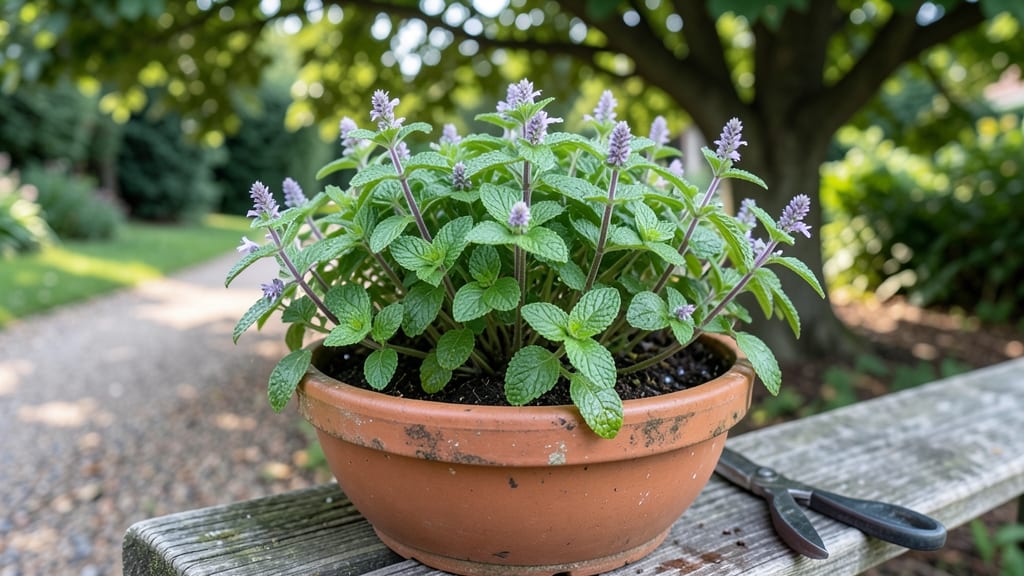
Is peppermint a perennial plant that isn’t just tough—it’s a cold-hardy survivor returning stronger every spring. 🌱 I’ve grown it for years, and once established, it thrives through winters in zones 5-9, sending up fresh green shoots when others struggle.
The catch? It spreads aggressively via rhizomes, turning a small patch into a minty takeover within a season.
This relentless growth makes it perfect for containers or contained garden beds with buried edges. My first attempt in an open bed led to mint invading my entire yard—until I switched to a 5-gallon pot buried in the ground.
The trade-off? You’ll harvest more than you need, but dried or frozen, it lasts all winter.
With minimal care—just regular watering and occasional pruning—peppermint rewards you with fragrant foliage all season. The secret to controlling its spread? Divide the roots every 2-3 years to keep it manageable. Even then, expect it to outsmart you.
Ideal for gardeners who want low-maintenance yet high-reward plants. Just be warned: once planted, it’s nearly impossible to eradicate without serious effort. Worth it for the scent alone.
What Makes Peppermint Die Back
Peppermint (Mentha × piperita) is often called a perennial, but it doesn’t always behave like one—especially if you’re expecting it to return year after year without effort. Several key factors influence whether your peppermint thrives as a perennial or struggles to survive.
Understanding these causes can help you take action to protect your plants and ensure they come back stronger.
Peppermint is cold-hardy, but extreme winter conditions can still stress or kill it. While it tolerates USDA zones 3–9, freezing temperatures below -20°F (-29°C) or prolonged exposure to icy, waterlogged soil can damage its roots and crown. Here’s why it happens:
- Frost Heaving: When soil freezes and thaws repeatedly, roots can lift out of the ground, exposing them to cold air and increasing the risk of dieback.
- Poor Drainage: Waterlogged soil in winter cuts off oxygen to roots, leading to rot. Peppermint prefers well-draining soil but can suffer if planted in heavy clay or low-lying areas where water pools.
- Lack of Mulch: Without a protective layer of mulch (3–4 inches of straw or shredded leaves), the ground freezes deeper, shocking the plant’s crown.
Actionable Fix: Plant peppermint in a slightly elevated spot, improve soil drainage with compost, and mulch heavily before winter. In zone 3 or colder, consider overwintering pots indoors or using a thick layer of straw for insulation.
Peppermint is a runners—it spreads rapidly via underground stems (rhizomes) and above-ground stolons. While this makes it hardy, it can also exhaust the soil and choke itself if left unchecked. Overcrowding leads to:
- Resource Competition: Too many plants vying for water, nutrients, and sunlight weakens individual stems, making them more susceptible to disease or winter kill.
- Root Suffocation: Dense growth can smother roots, reducing their ability to store energy for regrowth in spring.
- Pest Attraction: Crowded plants attract slugs, aphids, and fungal pathogens, which further stress the plant.
Actionable Fix: Thin out peppermint patches every 2–3 years by cutting back excess growth or dividing the plant. Plant it in containers if space is limited, or use edging barriers to contain its spread in garden beds.
Peppermint is generally disease-resistant, but poor growing conditions create the perfect storm for fungal infections, which can kill the plant over time. Common culprits include:
- Verticillium or Fusarium Wilt: These soil-borne fungi thrive in wet, poorly drained soil, clogging the plant’s vascular system and causing yellowing leaves and stunted growth.
- Rhizoctonia or Pythium Rot: Waterlogged conditions encourage these fungi to attack roots, leading to mushy, discolored stems and crown rot.
- Powdery Mildew: While less deadly, severe infestations weaken peppermint, making it more vulnerable to cold stress.
Actionable Fix: Avoid overhead watering, ensure soil drains well, and rotate crops if you suspect fungal buildup. Drenching the soil with a neem oil or baking soda solution (1 tbsp baking soda + 1 quart water + a drop of dish soap) can help prevent mildew.
Peppermint isn’t picky, but planting it in the wrong spot can sabotage its perennial nature. Common mistakes include:
- Shady Locations: While it tolerates partial shade, deep shade (e.g., under dense trees) reduces photosynthesis, weakening the plant’s ability to store energy for winter.
- Competitive Neighborhoods: Planting near aggressive perennials (like mint’s own cousins, spearmint or bergamot) can lead to hybridizing or resource theft.
- Low-Nutrient Soil: Peppermint prefers fertile, moist (but not soggy) soil. Poor soil forces the plant to divert energy to survival rather than root development.
Actionable Fix: Choose a site with 4–6 hours of sunlight, well-draining soil amended with compost, and space to spread. If your soil is heavy clay, mix in sand or peat moss to improve aeration.
While peppermint is pest-resistant, heavy infestations of deer, rabbits, or slugs can defoliate or uproot young shoots before they establish. Even if the roots survive, the plant may not regrow vigorously in spring.
- Deer/Rabbits: These animals may nibble on new growth in early spring, stunting regrowth.
- Slugs and Snails: They target tender new leaves, creating gaps that invite disease.
- Mint Rust (Puccinia menthae): A fungal pest that causes orange pustules on leaves, weakening the plant over time.
Actionable Fix: Use physical barriers (chicken wire for deer, copper tape for slugs) or organic repellents like garlic spray or diatomaceous earth. Prune and remove infected leaves promptly to prevent rust spread.
Revive & Keep Peppermint Thriving
If your peppermint isn’t returning as a perennial—or worse, seems to die back every year—don’t toss it out just yet! With the right care, you can coax this hardy herb back to life and even encourage it to spread like a cold-hardy champ.
Below are targeted solutions for common issues, from poor survival to weak regrowth, along with prevention tips to keep your peppermint happy for seasons to come.
Cause: Freezing temps, improper mulching, or over-trimming roots.
How to Revive It: 🔥 Step 1: Wait for Warmth
- Peppermint is cold-hardy but needs soil to thaw before sprouting. Wait until daytime temps consistently stay above 40°F (4°C) before checking for signs of life.
🍳 Step 2: Gently Inspect the Crown
- Use your fingers to brush away mulch or dead foliage. Look for green shoots near the base—if they’re still dormant, don’t dig yet.
👨🍳 Step 3: Fertilize Lightly
- Sprinkle a balanced, low-nitrogen fertilizer (like 10-10-10) around the base in early spring. Peppermint doesn’t need much—just a gentle nudge!
🥘 Step 4: Water Deeply (But Not Too Much)
- Water 1 inch per week (more in drought) to encourage root regrowth. Avoid soggy soil—peppermint hates “wet feet.”
⏰ Step 5: Trim Back Dead Growth
- Once new shoots appear, snip off any blackened or mushy stems with clean pruners to redirect energy to fresh growth.
💡 Prevention Tip:
- Mulch properly in fall with 2–3 inches of straw or shredded leaves to insulate roots without suffocating them. Remove mulch in early spring to let sunlight warm the soil.
Cause: Extreme cold, poor drainage, or root rot from overwatering.
How to Revive It: 🔥 Step 1: Check for Root Health
- Gently dig up a small section of the plant. If roots are soft, black, or smelly, it’s dead. If they’re firm and white, it’s still alive but struggling.
🍳 Step 2: Divide & Propagate
- If roots are healthy but the plant is weak, divide it in early spring:
- Dig up clumps and separate into 3–4 inch sections with roots attached.
- Replant divisions 6 inches apart in moist, well-draining soil.
- Water immediately after planting.
👨🍳 Step 3: Improve Drainage
- Amend heavy or clay soil with compost or sand to prevent waterlogging. Peppermint thrives in moist but not soggy conditions.
🥘 Step 4: Protect from Future Freezes
- In Zone 5 or colder, mound extra mulch (4–6 inches) around the base in late fall. For Zone 4 or below, consider row covers or a cold frame in winter.
💡 Prevention Tip:
- Plant in partial shade if you’re in a hot climate—peppermint can bolt (go to seed) if stressed by heat. A north-facing spot is ideal in southern regions.
Cause: Overcrowding, nutrient depletion, or lack of division.
How to Revive It: 🔥 Step 1: Divide Every 2–3 Years
- Peppermint forms dense colonies. Dig up and split clumps in early spring or fall to:
- Rejuvenate growth (older centers weaken).
- Prevent disease (crowded plants trap moisture).
- Share with friends! 🌱
🍳 Step 2: Refresh the Soil
- Mix in compost or worm castings when replanting divisions to replenish nutrients. Peppermint is light on fertilizer but benefits from occasional fish emulsion (diluted to half-strength).
👨🍳 Step 3: Control Aggressive Spread
- If peppermint escapes its bed, edge the planting area with landscape fabric (buried 6 inches deep) to contain roots. Alternatively, grow it in containers (5+ gallons) for easy control.
💡 Prevention Tip:
- Harvest regularly (but not too aggressively) to encourage bushy, healthy growth. Cut stems 2–3 inches above ground to stimulate branching.
Cause: Fungal issues (like powdery mildew) or pests (slugs, aphids).
How to Treat It: 🔥 For Powdery Mildew:
- Remove infected leaves immediately.
- Spray with neem oil (1 tsp per quart of water) every 7–10 days until cleared.
- Improve airflow by thinning crowded plants.
🍳 For Slugs/Snails:
- Set out beer traps (bury a cup filled with beer) or use iron phosphate bait.
- Handpick pests at dusk when they’re most active.
👨🍳 For Aphids:
- Blast off with a strong spray of water.
- Introduce ladybugs (natural predators) or spray soapy water (1 tsp mild soap per quart).
💡 Prevention Tip:
- Water in the morning to let foliage dry quickly, reducing fungal risks.
- Rotate crops if growing peppermint in the same spot yearly (though it’s not critical for this hardy herb).
Pro Tip: Peppermint is perennial in Zones 5–9 but may need winter protection in colder areas. If you’re in Zone 4 or below, treat it as a short-lived perennial—divide and replant every 1–2 years for the best results. 🌡️
Frequently asked questions
How cold can peppermint tolerate before it dies back?
Peppermint thrives in USDA zones 5-9 and can handle brief dips to -20°F (-29°C), but prolonged exposure below 10°F (-12°C) may kill it back to the ground. In zones 3-4, use thick mulch (4-6 inches) or grow it in containers to move indoors during winter. Even if it looks dead, roots often survive and regrow when temperatures warm.
Why does my peppermint keep spreading everywhere?
Peppermint spreads aggressively via underground rhizomes and above-ground stolons. This natural growth habit makes it a hardy perennial but requires containment. To control it, plant in 5-gallon containers or use buried edging (like landscape fabric) in garden beds. Divide the plant every 2-3 years to prevent overcrowding and maintain vigor.
Can I grow peppermint indoors year-round?
Yes! Peppermint grows well indoors with 4-6 hours of sunlight daily and a south-facing window. Use a 10-inch pot with well-draining soil and keep it consistently moist. Harvest regularly to encourage bushier growth, and prune leggy stems to maintain shape. Just be warned—it’ll still spread, so contain it in a dedicated pot.
How do I know if my peppermint is truly dead vs. dormant?
Check for signs of life in early spring by gently brushing away mulch. If you see green shoots near the base or firm white roots when you dig, it’s dormant. If the crown is black and mushy or roots smell foul, it’s likely dead. In cold climates, wait until soil temps reach 40°F (4°C) before giving up—peppermint often surprises gardeners!
What’s the best way to harvest peppermint without killing the plant?
Harvest stems in the morning after dew dries, cutting 2-3 inches above ground to encourage branching. Never remove more than 1/3 of the plant at once, and avoid cutting into woody stems. For long-term health, harvest regularly throughout the growing season—this prevents overgrowth and keeps the plant productive.