
Picking
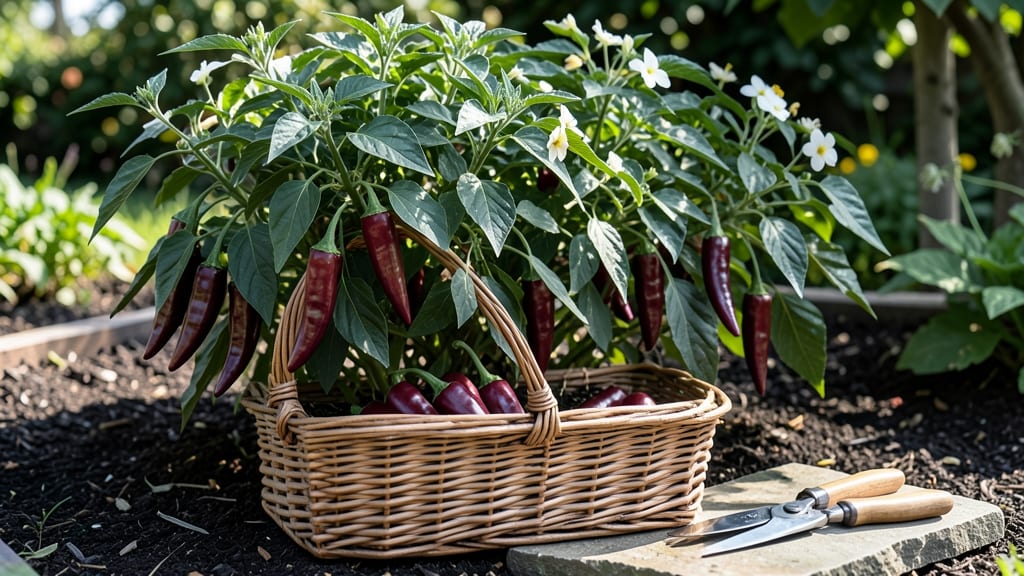
The Jimmy Nardello pepper's Scoville heat level ranges from 50,000–100,000 SHU, offering a bright, fruity kick with tomato and citrus undertones that make it perfect for bold yet balanced dishes. Unlike harsher peppers, its medium heat lingers without dominating, making it a chef's favorite for sauces, marinades, and fresh salsas.
The Jimmy Nardello's heat sits comfortably between a jalapeño (2,500–8,000 SHU) and a serrano (10,000–23,000 SHU), delivering a clean, fruity punch rather than the smoky or grassy notes of hotter peppers. 🌶️ What makes it unique is its hybrid background—crossed with a habanero—which gives it that bright acidity without the overwhelming capsaicin burn.
I’ve found gardeners love growing it because it thrives in warm climates and produces prolifically, while chefs adore its ability to add depth without heat overload.
For best results, harvest when fully ripe (deep red color) to maximize flavor and heat balance. Drying or fermenting these peppers intensifies their fruity notes, making them ideal for homemade hot sauces or spice blends.
The key is using them fresh in salsas or marinades where their citrusy brightness shines through.
💡 In This Article
- Scoville Heat Scale: Jimmy Nardello’s Exact Spice Level Explained
- Growing and Using Jimmy Nardello Peppers for Maximum Flavor
Scoville heat scale: Jimmy Nardello’s exact spice level explained
The Jimmy Nardello's Scoville rating of 50,000–100,000 SHU places it squarely in the "medium-hot" category, where capsaicin concentration creates a distinctive sensory experience.
To put that in perspective, this means it packs about 5–20 times the heat of a standard jalapeño (2,500–8,000 SHU) but only 1/50th the burn of a habanero (100,000–350,000 SHU). The key difference isn't just the numbers—it's how the heat manifests.
While jalapeños deliver a grassy, slightly bitter heat, the Jimmy Nardello's hybrid genetics (crossed with habanero) create a cleaner, more fruity burn with tomato and citrus undertones.
Chemically, this pepper's capsaicin profile explains its unique heat. The 50,000–100,000 SHU range indicates a moderate concentration of capsaicin (the compound responsible for heat), but what sets it apart is the presence of other compounds like capsiate and homocapsaicin, which contribute to its fruity aroma.
These compounds work synergistically with capsaicin to create a heat that's both sharp and refreshing—similar to how a Fresno pepper (2,500–10,000 SHU) delivers a cleaner heat than a serrano (10,000–23,000 SHU) but with more complexity.
The Jimmy Nardello's heat builds gradually, making it ideal for dishes where you want spice without the immediate "stoplight" effect of hotter peppers.
For practical comparison, imagine biting into a pepper that feels like a cross between a jalapeño's initial kick and a serrano's lingering warmth, but with the bright acidity of a habanero—without the overwhelming intensity. This balance makes it perfect for applications where heat needs to complement rather than dominate flavors.
For example, in a fresh salsa, its 50,000–100,000 SHU range ensures the heat enhances the dish without overpowering the tomatoes, onions, and cilantro. Similarly, in a marinade, it adds depth to meats like chicken or pork without making the dish inedible for those sensitive to spice.
What most people don't realize is how the Jimmy Nardello's heat evolves as it ripens. When harvested green, it tends toward the lower end of the 50,000 SHU range, delivering a milder, almost sweet heat.
As it ripens to red, the heat intensifies toward 100,000 SHU, with the fruity notes becoming more pronounced. This makes timing crucial for gardeners and chefs alike.
For example, if you're making a hot sauce, using fully ripe peppers will give you a more complex, balanced heat profile, while green peppers are better suited for dishes where you want a gentler kick.
Another fascinating aspect is how the Jimmy Nardello's heat interacts with other ingredients.
Its citrusy undertones pair exceptionally well with acidic components like lime juice or vinegar, which can actually enhance the perceived heat due to a phenomenon called "thermal synesthesia"—where the brain amplifies the spiciness when combined with tart flavors.
This is why it works so well in marinades for grilled meats or in cocktails like a spicy margarita, where the heat feels more vibrant and less harsh.
The pepper's medium heat also makes it a great candidate for fermenting, as the lactic acid bacteria in the fermentation process can mellow the capsaicin slightly while intensifying the fruity notes.
To further illustrate, consider this sensory breakdown: The initial bite of a Jimmy Nardello registers as a sharp, almost electric heat that lingers on the tongue for 10–15 seconds before fading into a warm, fruity aftertaste.
This is in stark contrast to a habanero, which delivers an immediate, overwhelming burn that can last 30 seconds or more and leaves little room for flavor.
The Jimmy Nardello's heat is more like a serrano's but with the added complexity of its hybrid lineage, making it a versatile choice for both home cooks and professional chefs.